Bathing and Drying Techniques
Challenging Situations
Bathing and drying don't always go according to plan. Some dogs are frightened by water or dryers, while others have physical limitations, respiratory concerns or simply haven't had the opportunity to become comfortable with the process.
Knowing when to adapt a procedure, try a different technique or stop altogether is an important part of grooming. This guide explores some of the challenges we encounter during bathing and drying, with demonstrations showing how different groomers approach individual dogs and their needs.

Quick guide
-
Bathing can be an enjoyable part of grooming, but not every dog finds it comfortable. Puppies encountering unfamiliar sensations, senior dogs with reduced mobility, dogs experiencing pain and those who are frightened or overwhelmed may struggle with the process.
Before bathing, consider the dog's physical condition, behaviour and ability to tolerate the procedure. Can they stand comfortably? Are they showing signs of fear or fatigue? Is there a medical or anatomical concern that changes how the bath should be approached?
Sometimes a shorter bath, a different handling technique or additional support is enough. In other circumstances, it may be more appropriate to postpone bathing and discuss alternative grooming arrangements with the owner.
Removing the bath from an appointment can significantly reduce the time a dog spends standing and being handled. However, the coat's condition, hygiene requirements and any medical considerations must also be taken into account.
-
Drying presents its own challenges. Noise, airflow, vibration, heat and the sensation of air moving through the coat can be difficult for some dogs to tolerate.
High-velocity dryers are valuable grooming tools, but they are not suitable for every dog or every situation. Consider the dog's age, health, anatomy, coat type and response to the equipment before deciding how to proceed.
Towels, chamois, lower-velocity dryers and carefully controlled finishing dryers may offer alternatives. Whatever equipment is used, monitor temperature, airflow, the dog's comfort and the time required.
Leaving a dog damp is not always an appropriate solution either, particularly when a dense coat or skin folds may retain moisture. The aim is to find a safe, achievable drying method that meets the dog's needs without causing unnecessary distress.
-
Not all dogs respond to stress in the same way. Some bark, bite at equipment, struggle or attempt to escape. Others become unusually still, avoid interaction or stop responding.
Watch for changes in posture, breathing, facial expression, movement and willingness to participate. Increasing distress, fatigue or signs of physical discomfort should prompt an immediate reassessment.
If a dog becomes highly distressed during drying, stop the dryer and allow the dog to recover in a safe, comfortable environment. Do not continue simply to have a dry coat to groom.
Significant breathing difficulties, collapse, abnormal gum or tongue colour, or other signs of medical distress require urgent veterinary attention.
-
Small changes can make a considerable difference. Reducing water pressure, adjusting dryer speed, removing a concentrator nozzle or increasing the distance between the dryer and the dog may help make a procedure more tolerable.
A quieter environment and fewer interruptions may also help. Some dogs benefit from familiar handling, appropriate rewards or equipment introduced gradually over several appointments.
Drying hoods and other accessories should only be used when they fit correctly and the dog is comfortable wearing them. They should never restrict breathing, place pressure around the eyes or neck, or prevent the dog from communicating discomfort.
-
Some dogs benefit from shorter appointments or dividing bathing and styling across separate visits. Others may find additional visits stressful, so there is no single approach that suits everyone.
Prioritise essential hygiene and coat care, and consider whether the complete groom is necessary or achievable that day.
A dog who cannot tolerate a particular procedure may need a different plan, rather than repeated attempts to complete it.
-
Owners can provide valuable information about previous bathing experiences, medical concerns and the dog's responses to grooming at home.
Discuss any adjustments made during the appointment, explain procedures that were omitted and agree on an appropriate plan for future visits.
Keep records of the equipment used, the dog's responses, signs of discomfort and techniques that helped. This information can make future appointments more predictable and allow the grooming approach to change as the dog's needs change.
A Puppy's First Bath and Dry
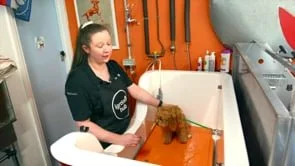
Seventeen-week-old Cavoodle Ruby is having her first professional bath and drying session with Colleen. Her owners have reported that bathing at home has been difficult, so Colleen introduces water gradually, begins with low pressure and adapts her washing routine according to Ruby's responses.
During drying, Colleen starts with reduced airflow and a diffuser-style approach, includes brushing breaks and finishes with a gentler hand dryer. The demonstration explores how a puppy's first experiences can influence their future comfort with grooming, and why it's important to recognise when a puppy is becoming overwhelmed.
Drying a Senior Dog
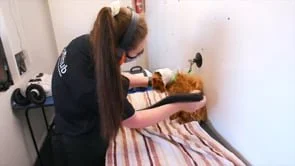
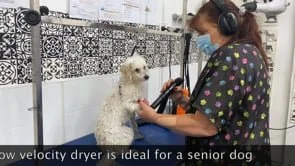
Senior Poodle Patrick demonstrates how drying can be adapted for a dog with additional physical needs. Nat and Laray use gentle support that avoids pressure around his neck, along with a small, lower-velocity dryer and an overhead finishing dryer.
The session includes breaks and consideration of how long Patrick can comfortably tolerate the process. It's a useful example of choosing equipment and adjusting the drying routine around the individual dog rather than expecting them to manage a conventional dry.
When the Dryer Becomes the Challenge
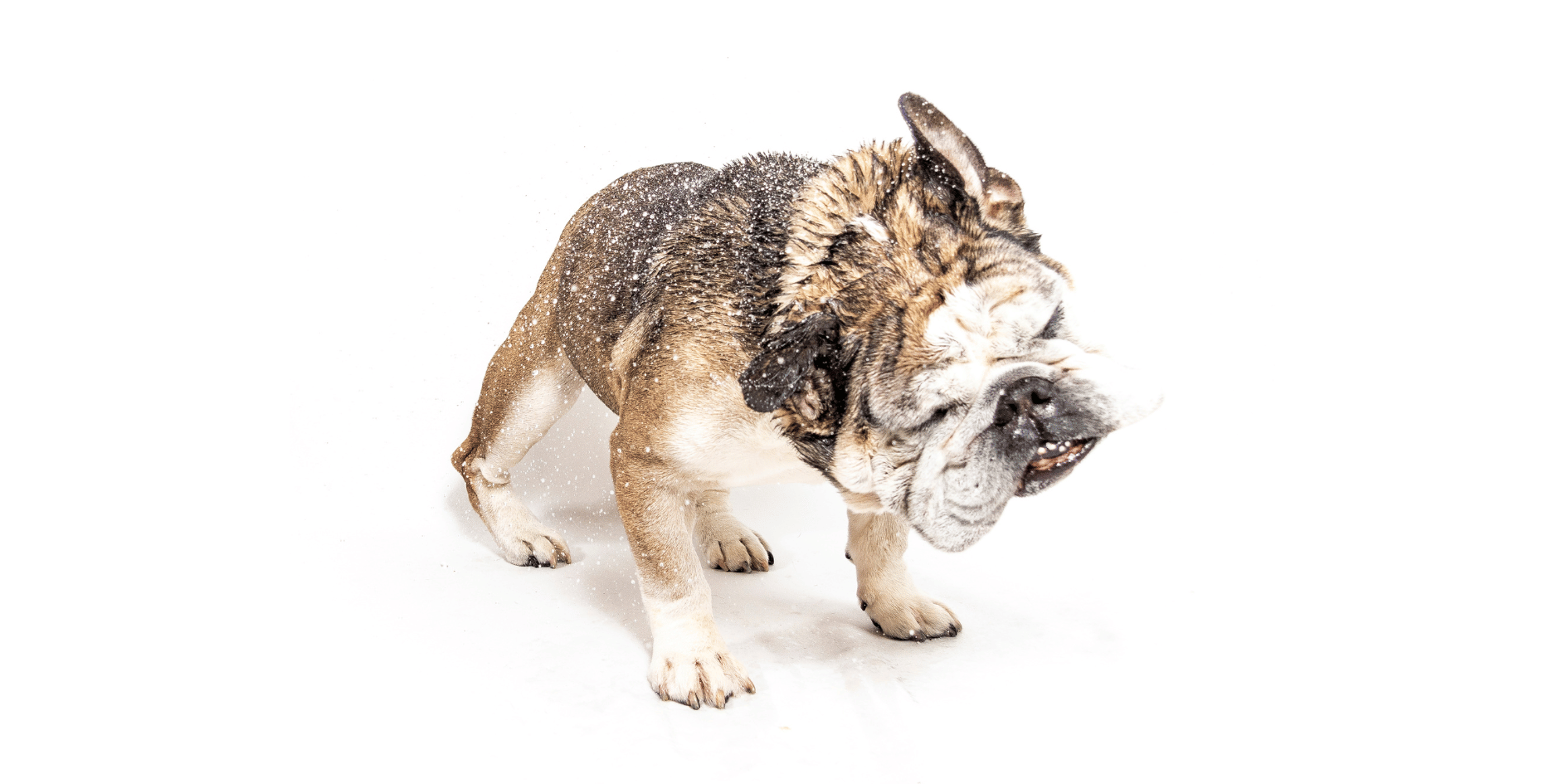
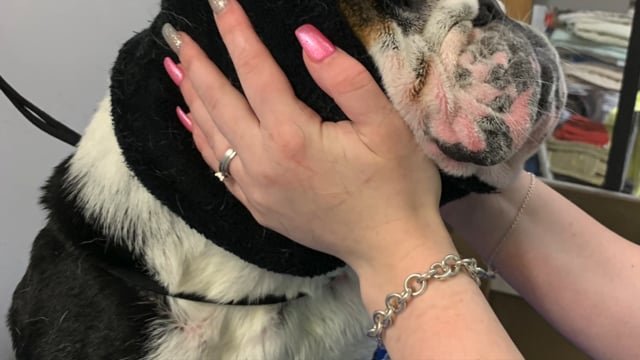
This Bulldog is happy enough in the bath, but drying is another matter. As the dryer is introduced, he repeatedly attempts to bite at the nozzle and airflow. A drying hood is tried, but it doesn't resolve the difficulty.
Rather than persisting with the dryer, the groomer changes approach and uses thorough towel drying, taking advantage of his short coat. The demonstration is a reminder that equipment changes don't always solve a problem, and that sometimes the better decision is to abandon a technique that the dog is struggling with.
Bathing and Drying a Brachycephalic Dog
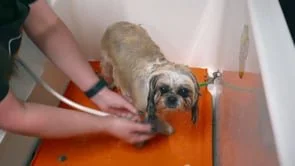
Colleen bathes and dries Harper the Shih Tzu, demonstrating considerations associated with a shortened muzzle, prominent eyes and sensitive facial anatomy.
She discusses protecting the eyes during washing, avoiding unnecessary pressure around the neck and face, checking the fit of a drying hood and adjusting airflow during drying. As the session progresses, Harper responds better to less restraint, and Colleen adapts her handling accordingly.
The demonstration highlights the importance of monitoring breathing, comfort and tolerance throughout the appointment. Brachycephalic dogs may have additional respiratory and heat-related risks, so drying methods and handling must be chosen with particular care.