

MASTERCLASS
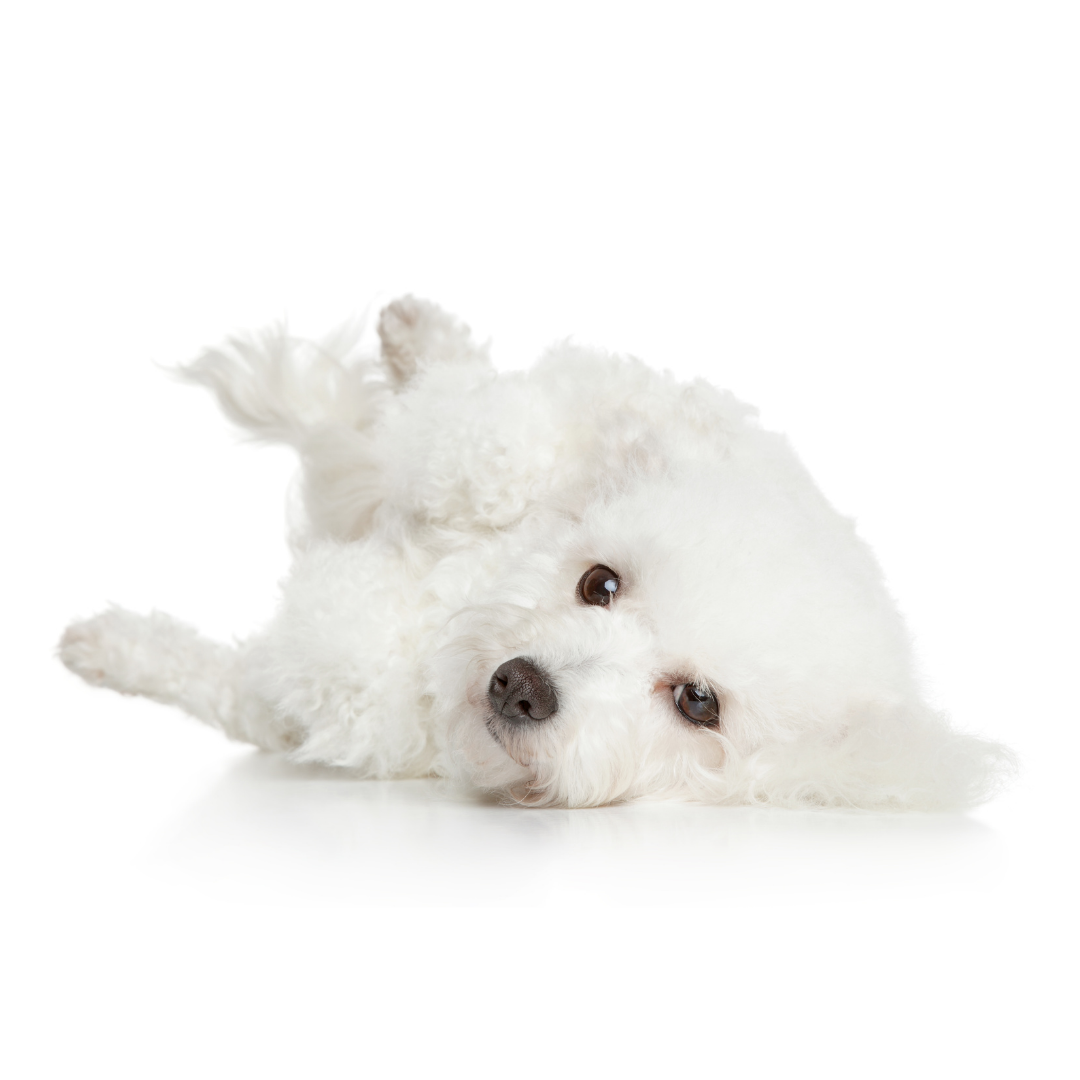
Bichon Frise
SPRINKLES
Join ANKC judge, Toy Breed specialist and long-time Bichon breeder and exhibitor Karen Taylor for a detailed four-part professional show groom on Sprinkles.
From coat preparation through to the final round head, Karen works through the structure and balance of the Bichon Frise, explaining not only where she cuts, but why. This is an advanced groom on a beautifully dense, plush coat, with plenty of breed-specific detail around shape, proportion, scissor work and achieving that unmistakable soft, rounded Bichon silhouette
Part 1
Part 1 | Coat prep & setting the shape
Karen begins with the all-important preparation of Sprinkles' dense show coat, covering bathing, product choice, drying, brushing and combing to create the bounce and texture needed before scissoring begins.
Then it’s into the foundations of the groom: scissor choice, preparing the sanitary areas and feet, assessing the individual dog's proportions and beginning to establish the shape. Karen also demonstrates her approach to the bridge of the nose and eye area while maintaining the soft expression characteristic of the breed
Part 2
Part 2 | Body, rear & hind legs
Now the architecture really begins. Karen establishes the level topline before shaping the rib cage, underline, loin and rear projection, explaining how each line contributes to the overall balance of the dog.
She then works through the hindquarters in detail, creating the rounded thigh and characteristic U-shaped rear, straight leg lines, sweeping hocks and neat rounded feet. There’s lots of comb, scissor, reassess and repeat here, showing just how much finishing goes into producing a smooth show-groomed outline.
Part 3
Part 3 | Chest, shoulders & those Bichon legs
Moving to the front of the dog, Karen creates the V shapes beneath the chin and between the front legs before rounding the chest and blending it through the shoulders and body.
Then it’s time for those fabulous Bichon “elephant legs”: straight, substantial pillars of coat shaped from shoulder to foot. Karen demonstrates how she establishes the lines, preserves plenty of coat and finishes the rounded, bevelled feet so they sit naturally beneath the leg rather than looking separate from it.
Part 4
Part 4 | Crest & the round Bichon head
The final piece of the puzzle. Karen shapes the crest and blends it into the shoulders before moving on to one of the most recognisable elements of the Bichon groom: that beautiful round head.
Working around the eyes, brow, muzzle, ears, jaw and skull, she demonstrates how she builds a circle from every angle while keeping the expression soft and the head full. The groom finishes with a final pass of the finishing scissors to refine the entire silhouette and bring Sprinkles' show groom together
Breed Standard at Dogs Australia
Study Notes | Key Concepts
-
Use a whitening shampoo to brighten the Bichon’s coat without staining. Avoid conditioner for show grooming, but use a light moisturiser like Reviva coat for texture.
Proper drying is crucial. Blow dry while brushing to create a bouncy, fluffy coat that springs back when touched.
-
The Bichon’s topline should be perfectly flat, with no angling. Scissor from the rib cage to the loin, rounding the rib cage and setting the underline with only a slight tuck-up.
The body should have a smooth transition from the rib cage to the rear, with the rear projection rounded and prominent.
-
Use 8-inch straight scissors for the bulk of the bodywork, and curved scissors for areas like the head, feet, and rear projection. Scissoring should be done in layers, lifting the coat to ensure a smooth finish.
Comb and cut repeatedly to ensure no stray hairs are missed, achieving the perfect round shape.
-
The Bichon’s head should be round from every angle. Start with a U-shape above the eyes and round the head from the crest to the ears.
Use curved scissors to form a neat V under the chin and a soft circle around the muzzle.
-
Legs should be scissored into cylindrical shapes, often referred to as “elephant legs.” Ensure straight lines down the front and sides of the legs.
Feet should be rounded with beveled edges, fitting seamlessly with the volume of the leg.
-
The tail should tie smoothly into the top line, with a clean, fan-shaped effect. The rear projection should be rounded to give the Bichon its characteristic full shape from behind.
