

Safety Restraints
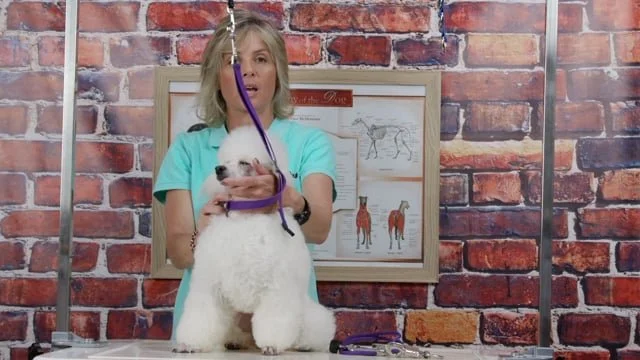
Safety restraints are one of those topics every groomer needs to understand properly, but they’re rarely explained in detail. In this practical walkthrough, Nicky demonstrates the restraint systems, grooming loops, groomer’s helpers, belly straps, muzzles, and hoodies she uses every day in the salon, while also explaining why they matter and how to use them safely.
This tutorial isn’t about “restraining” dogs for the sake of control. It’s about creating a safer environment for both the dog and the groomer, particularly when working with puppies, nervous dogs, wriggly dogs, or dogs still learning how to behave on the grooming table.
Throughout the lesson, Nicky demonstrates calm handling, correct setup, safe positioning, and the importance of reducing panic rather than escalating it. She also explains common mistakes groomers make with restraints, and how the wrong setup can actually increase risk rather than prevent it.
If you’re new to grooming, this is essential viewing. If you’ve been grooming for years, it’s still a valuable reminder that good restraint systems are less about force and more about safety, support, prevention, and thoughtful handling.
Key Takeaways
Keep the dog’s head up when introducing them to the table. A lowered head increases the likelihood of jumping.
Calm, slow handling matters, especially with puppies and first-time salon dogs. The way a dog experiences grooming early on can shape future behaviour.
A properly fitted grooming noose should be secure enough that the dog cannot back out of it, but never tight enough to restrict breathing or swallowing.
Groomer’s Helpers help prevent:
spinning on the table
diving forward
backing off the table
sudden lunging toward the groomer
Front restraints should sit correctly under the jawline and be adjusted for each individual dog.
Belly straps can help support larger dogs or chronic “sitters,” particularly breeds too heavy to physically support during grooming.
Dogs should never be left unattended on a grooming table, even when restrained.
Quick-release systems are an important safety feature if a dog panics or becomes tangled.
Nicky recommends choosing either a muzzle or a groomer’s helper for aggressive dogs, rather than combining both around the neck area.
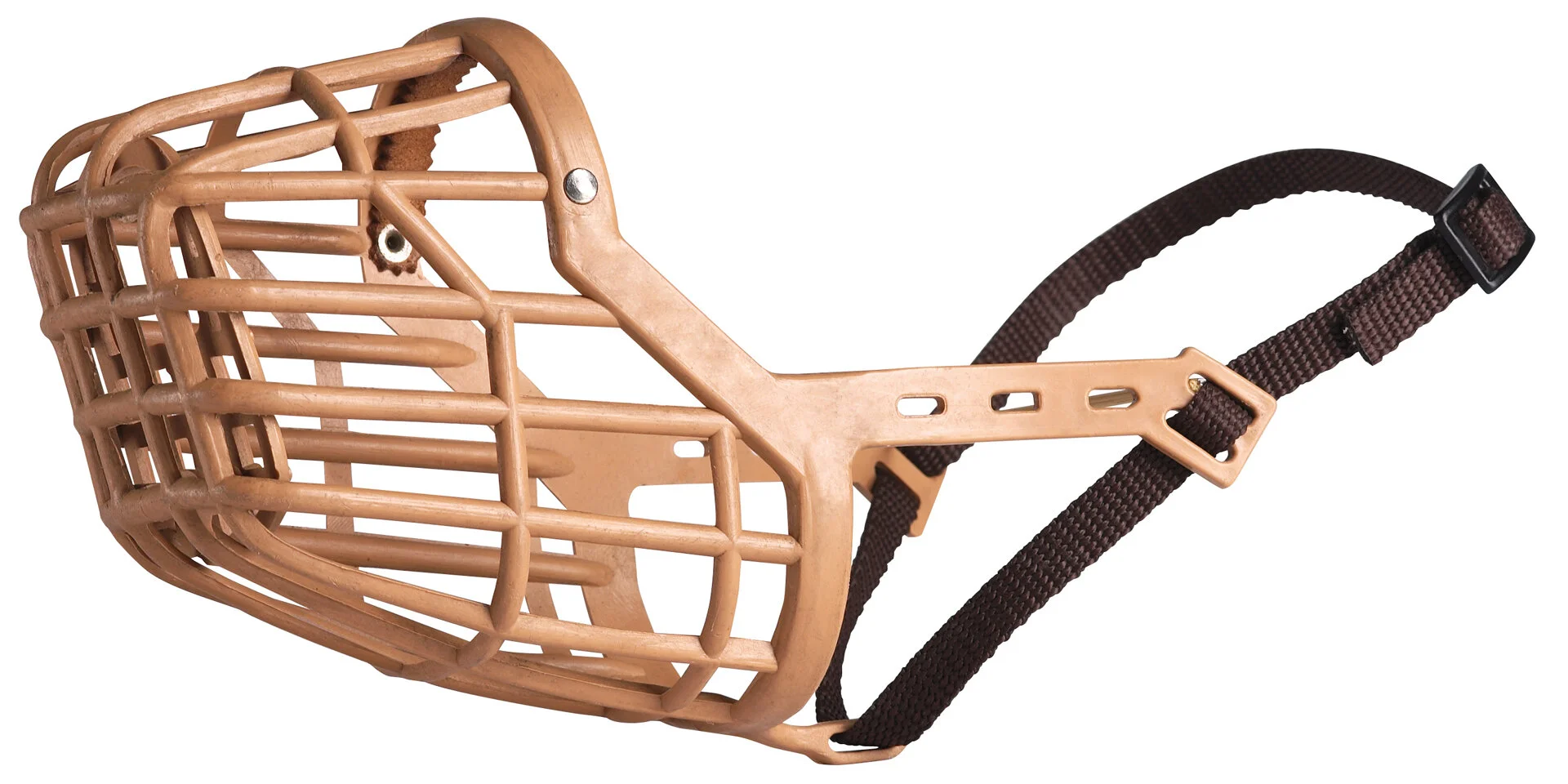
Correct muzzle fit is essential. A loose muzzle can be removed by the dog, creating additional risk during grooming.
Muzzles should always be cleaned thoroughly between dogs for hygiene and safety reasons.
Grooming hoodies can help reduce sensory overload during drying by muffling sound and limiting environmental stimulation.
Restraints should support the dog, not punish the dog. Calm reassurance and thoughtful handling are part of safe grooming practice.
