

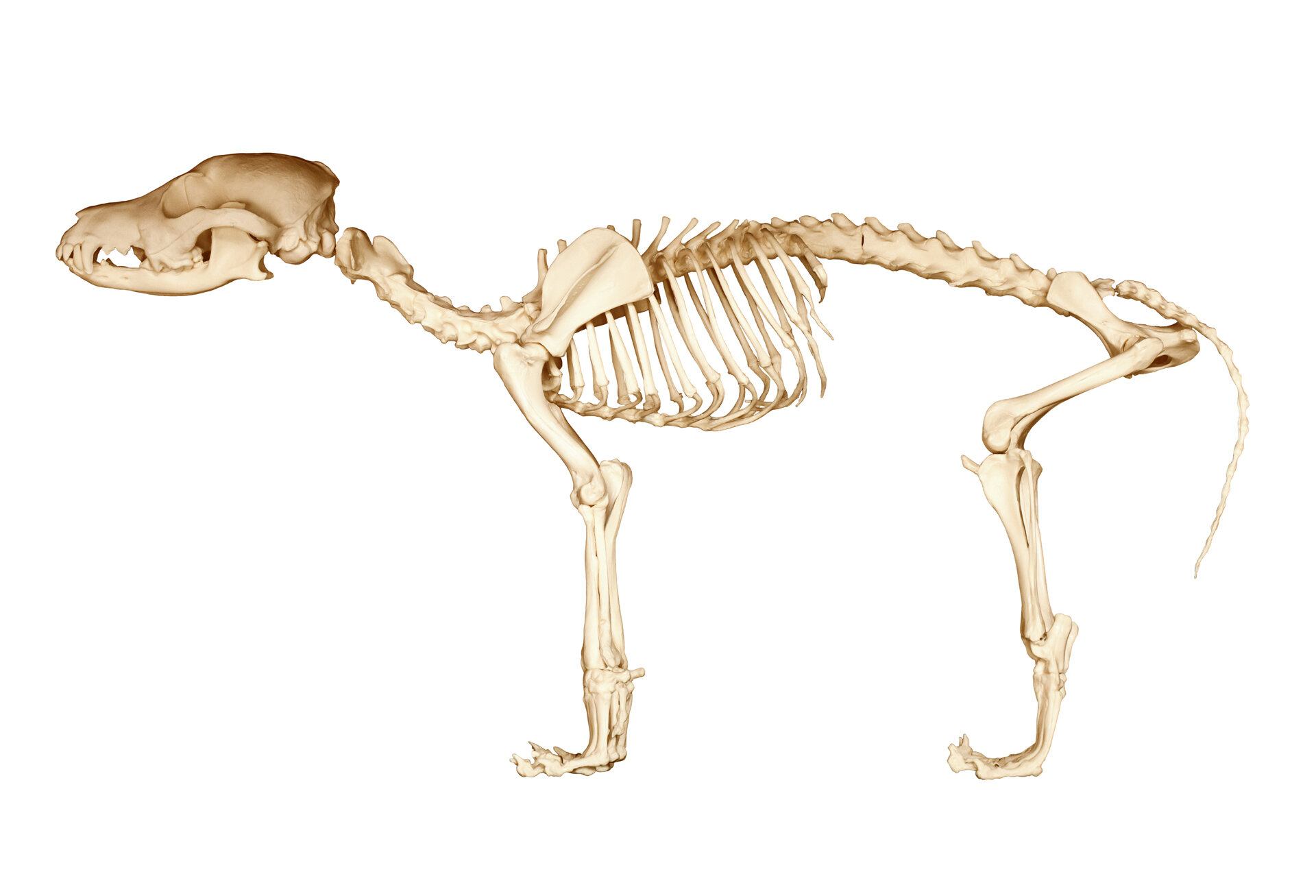
Understanding Canine Anatomy
Topographical anatomy might sound a little intimidating at first, but it’s one of the foundations of great grooming. Once you understand how a dog is built underneath the coat, grooming starts to make a whole lot more sense.
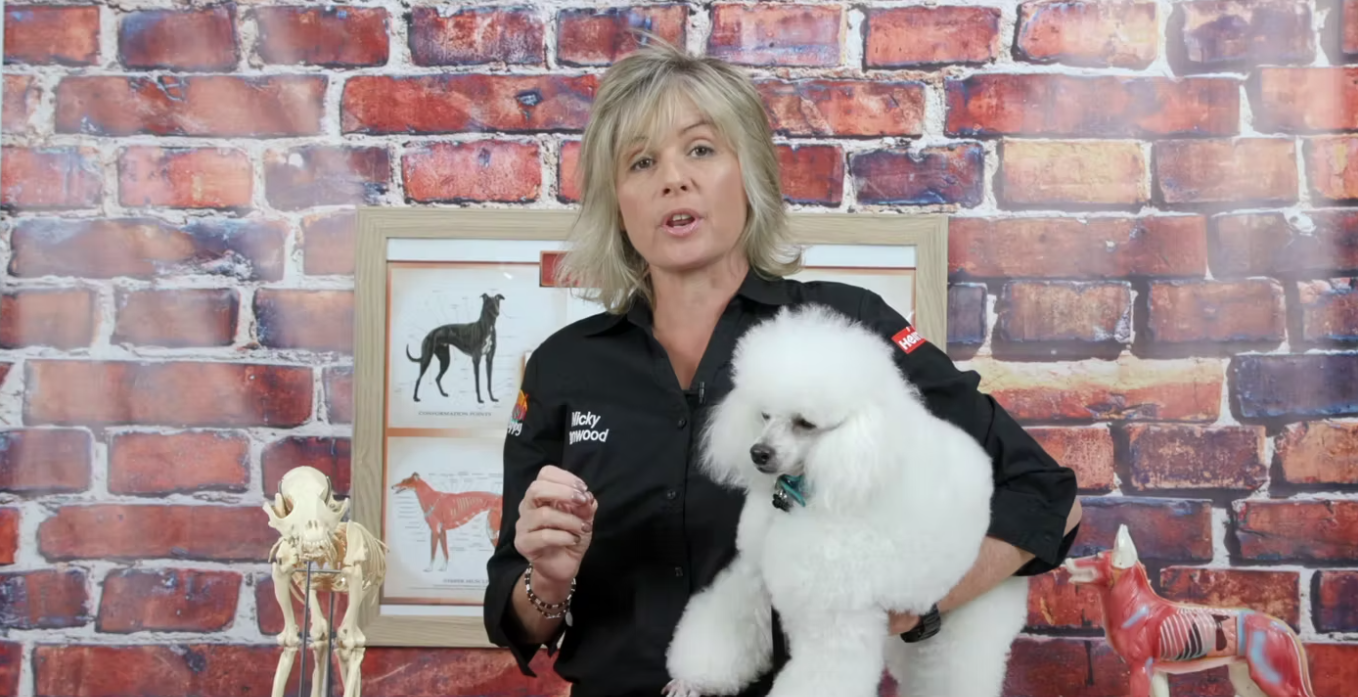
In this masterclass, Nicky walks through the key anatomical landmarks groomers use every day, from the wrist and shoulder through to the turn of stifle, hock, prosternum, occiput, stop, and zygomatic arches. These reference points help you understand movement, balance, proportion, and structure, but they also directly influence the way you groom and shape a dog.
Whether you're clipping a pet trim, refining a breed profile, or trying to improve balance and symmetry in your styling, anatomy gives you the roadmap. It teaches you where to place angles, how to create better outlines, and why some dogs are easier to groom into shape than others.
This tutorial is especially valuable for groomers wanting to move beyond “just taking hair off” and start grooming with more intention and understanding. Nicky also explains how experienced groomers use anatomy to subtly “trick the eye” and improve overall presentation, particularly in more technical styling work.
Study Notes | Key Concepts
-
Topographical anatomy refers to the visible and touchable landmarks on a dog’s body that groomers use as points of reference. Learning these landmarks helps you communicate clearly, understand grooming terminology, and improve your technical grooming skills.
-
Wrist (Carpus)
Located between the forearm and foot. The wrist has limited flexibility and should never be twisted unnaturally during handling or grooming.Forearm
Runs between the wrist and upper front assembly. Nicky highlights the importance of supporting the dog correctly during handling, especially when clipping pads or lifting legs.Point of Shoulder & Shoulder Blade
These landmarks help determine front balance and overall structure. In technical grooming, groomers may visually “adjust” shoulder placement through styling techniques to improve overall appearance.Wither
The highest point of the shoulder area. Understanding where the wither sits helps with topline balance and profile shaping.
-
The shape and depth of the rib cage affect overall body proportions and breed type. Nicky explains that structure becomes increasingly important as grooming becomes more technical or breed-specific.
-
Turn of Stifle
The bend of the rear leg. This is one of the most important landmarks for creating balanced rear angulation in grooming.Hock
The lower rear joint extending toward the foot. Coat left around the hock area can dramatically change the appearance of angulation and movement.Ischium
The furthest rear point of the pelvis. This landmark helps determine rear balance and where to set the outline of the rear end in technical trims. -
Occiput
The bony point at the back of the skull between the ears. Groomers often use this as a reference point when shaping heads and necks.Zygomatic Arches
The cheekbone area beneath the eyes. These affect the width and shape of the head and are especially important in breeds requiring strong head structure.Stop
The transition between the skull and muzzle. Different breed standards require different types of stops.Foreface
The section between the eyes and the nose. Groomers assess foreface length and width when balancing the head. -
One of the biggest takeaways from this tutorial is that advanced grooming is often about visual correction. Skilled groomers use coat length, shape, and placement to improve balance and create a more flattering outline.
Nicky explains that groomers can:
Improve the appearance of shoulder placement
Create more angulation
Enhance neck length
Improve balance and symmetry
Work around structural imperfections
This is especially important in breed styling and competition grooming.
-
Nicky discusses how the clipped “V” on a Poodle neck should be balanced to the individual dog, rather than relying on rigid formulas.
Important takeaway:
Grooming guidelines are helpful, but balance matters more.
Neck length, foreface length, and overall proportions all influence where the V should sit.
-
Throughout the tutorial, Nicky demonstrates calm, slow handling with a young dog. A recurring message in this lesson is that understanding anatomy also helps groomers handle dogs more safely, comfortably, and respectfully.
