

Bathing and Drying Techniques
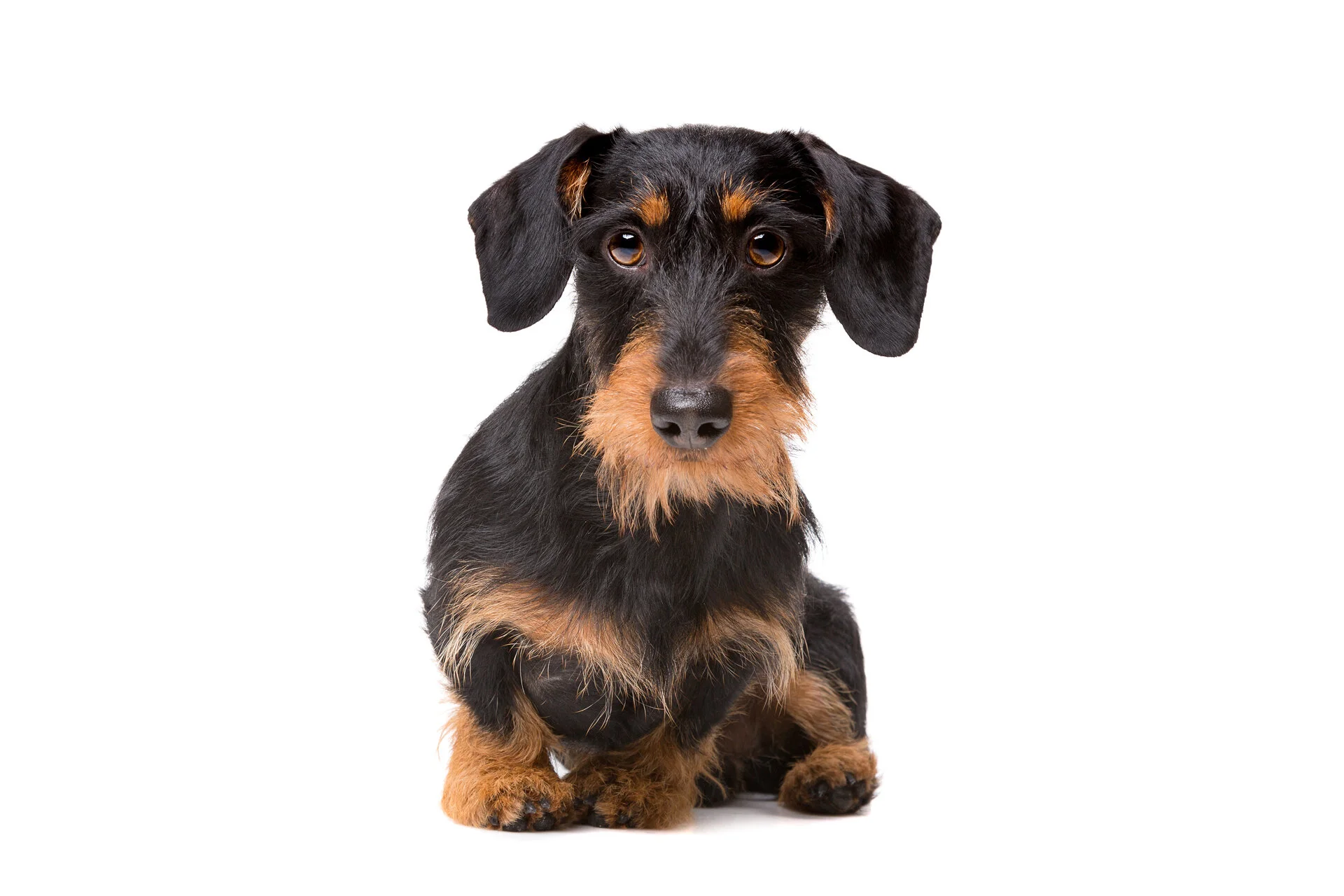
Wire Coats
Wire Coat
Combination of soft, dense undercoat with wiry guard hairs
In traditionally maintained wire coats, the harsh outer jacket is preserved through hand stripping. Dogs that are regularly clipped may develop a softer coat with a less pronounced wire texture.
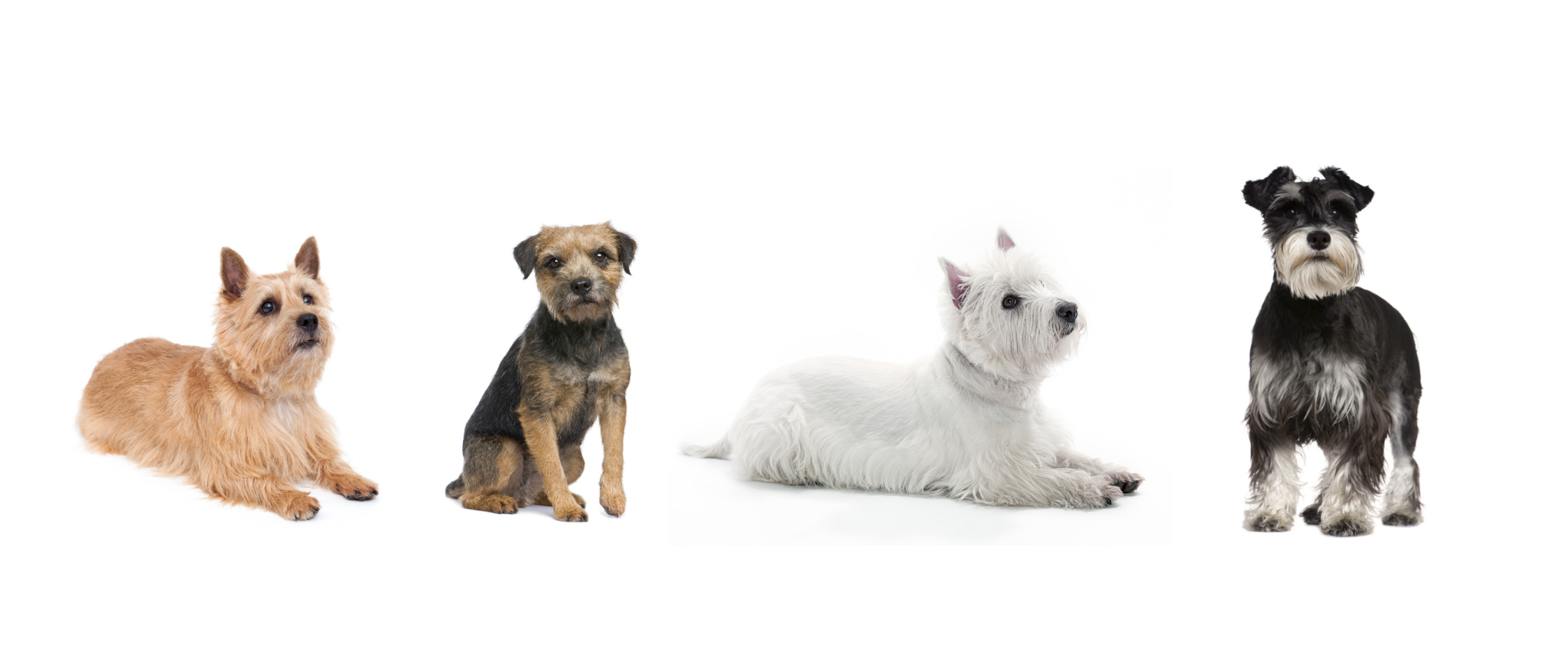
Think of Norwich Terriers, Border Terriers, West Highland White Terriers and Schnauzers

Quick guide
Wire coats are recognised for their harsh, protective outer jacket and softer undercoat. Preserving this distinctive texture involves careful coat management, thoughtful product selection and appropriate bathing and drying techniques. However, not every wire-coated dog retains its traditional texture. Many are regularly clipped for pet grooming, which can gradually change the coat's appearance and feel, calling for a different approach to its care.
-
A correctly maintained wire coat has a firm, coarse outer layer that lies over a softer undercoat. The harsh outer hairs provide protection, while the undercoat contributes insulation.
In breeds traditionally maintained by hand stripping, mature outer hairs are removed to allow the coat to renew while preserving its characteristic texture and colour. Hand stripping is an important part of maintaining the traditional wire jacket, although coat quality also depends on genetics and individual hair growth.
The jacket and furnishings serve different purposes. The body coat is generally expected to lie close and retain its harsh texture, while the beard, eyebrows, legs and other furnishings may be longer and require additional care.
Understanding these differences helps determine how the coat should be washed, conditioned and dried.
-
Before bathing, assess the coat's texture, density and condition. Check whether the jacket is hand stripped, clipped or maintained using a combination of techniques.
Examine the longer furnishings for tangles, dirt and product build-up, particularly around the beard, legs and feet. Beards can accumulate considerable food residue, saliva and grease, while longer leg furnishings may become tangled if handled roughly.
Where hand stripping is part of the groom, consider the timing of the bath and the condition of the skin. Alicia explains that she prefers to strip Tucker before bathing, as a freshly washed coat can be more difficult to grip and may break more readily during stripping.
If the skin is irritated following coat removal, adjust the bathing process accordingly, avoiding harsh products and unnecessary friction.
-
Choose a dog-appropriate shampoo that cleanses thoroughly without unnecessarily stripping the coat and skin of their natural oils.
Work methodically through the jacket, ensuring the shampoo reaches the skin and removes accumulated dirt and grease. A second shampoo can help achieve a thorough clean, particularly where the coat is heavily soiled.
Take a gentler approach through the beard, eyebrows, legs and furnishings. Rather than rubbing the longer hair vigorously, work shampoo through it in the direction of growth to minimise tangling and breakage.
Pay particular attention to the beard, where food, saliva and other debris can accumulate.
Avoid using household detergents or wool washes in an attempt to make the coat harsher. The characteristic texture of a wire coat comes from the hair itself and how the coat is maintained, rather than from harsh cleansing products.
Rinse thoroughly, ensuring all shampoo has been removed from the jacket and longer furnishings.
-
Conditioning is important for maintaining hair condition, reducing breakage and improving manageability, particularly through the longer furnishings.
For routine maintenance, a suitable conditioner helps protect the coat and makes brushing easier. The beard, eyebrows, legs and other longer areas may benefit from additional conditioning because they are more vulnerable to tangling and damage.
For a traditional harsh jacket, product choice matters. Heavy conditioning can temporarily soften the feel of the coat and affect how it lies, which may be undesirable when preparing for showing or competition.
Alicia explains that she conditions Tucker during regular maintenance but avoids conditioning immediately before a show when preserving the harsh texture is a priority.
The aim is to balance coat health with the desired finish, rather than treating all wire coats or all grooming appointments in the same way.
-
The timing of bathing can influence how a traditional wire coat presents.
Alicia explains that washing Tucker's jacket causes the softer undercoat to become fuller, lifting the harsh outer hairs and preventing the jacket from lying as flat as desired for showing.
For this reason, she generally bathes the jacket around a week before a show, allowing the undercoat time to settle. Grooming competitions may require similar planning, with the timing adjusted according to the individual coat.
The furnishings are treated differently. Beards, eyebrows and legs may be washed closer to the event because additional fullness and volume are often desirable in these areas.
Specialised finishing products, including mousses, coat chalks and colour enhancers, may be used in competition preparation. These should be selected carefully and trialled well before an event to understand how they affect the coat.
These techniques relate specifically to specialist presentation and are not necessary for routine pet grooming.
-
After bathing, gently remove excess water with a towel or chamois, taking care not to rub longer furnishings into tangles.
Dry the jacket with controlled airflow, working in the direction the coat should lie. For a traditional harsh coat, the aim is to preserve its natural texture and produce a neat, close-fitting finish rather than unnecessarily lifting or fluffing the body coat.
The furnishings often require a different approach. Beards, eyebrows and legs may need to be brushed while drying to separate and straighten the hair, creating the shape required for the intended trim.
Adjust airflow and nozzle selection around the face, particularly when drying eyebrows and beards. Lower airflow can help maintain control and improve the dog's comfort.
For show preparation, volume may be encouraged through the leg furnishings using appropriate styling products and controlled drying techniques.
The finished drying process should reflect the different requirements of the jacket and furnishings, rather than treating the entire dog as one uniform coat.
-
Many dogs from traditionally wire-coated breeds are clipped rather than hand stripped, particularly in everyday pet grooming.
Repeated clipping can change the coat's appearance and texture. The harsh outer hairs are cut rather than removed, and the coat may gradually become softer, lighter in colour or more undercoat-dominant. The degree of change varies between dogs.
A clipped Miniature Schnauzer, for example, may no longer have the firm, harsh jacket associated with a traditionally maintained wire coat.
These coats still need thorough cleansing and appropriate conditioning, but the products and techniques used may differ from those chosen to preserve a harsh show jacket.
Softer clipped coats may benefit from additional conditioning, particularly through the beard, skirt and legs. Brushing and drying the longer furnishings helps prepare them for clipping and scissoring.
Clipping is a common and reasonable grooming choice for many pet dogs. The important distinction is recognising that the resulting coat may behave differently from a traditionally maintained wire coat and adapting the grooming process accordingly.
-
Once drying is complete, check the jacket and furnishings for remaining moisture, tangles and product residue.
Comb through the beard, eyebrows, legs and other longer areas, ensuring the hair is separated and manageable without unnecessary pulling.
For traditionally maintained wire coats, assess whether the jacket retains its characteristic texture and lies appropriately for the intended finish.
For clipped coats, the aim is a clean, comfortable and evenly prepared coat, ready for the chosen pet trim.
The finished result should reflect the individual dog's coat condition, grooming history and intended style.
TUCKER
Alicia Fragidakis shares her approach to bathing and preparing Tucker, her Wire Fox Terrier, for showing and grooming competitions. This specialist demonstration explores how bathing affects the harsh jacket and softer undercoat, why timing matters around hand stripping, and the different conditioning requirements of maintenance and show grooming. Alicia also discusses preparing the beard, eyebrows and leg furnishings, including the products and techniques she uses to achieve the desired volume and finish.

PATSY
Tay demonstrates bathing and drying Patsy, a young Miniature Schnauzer whose coat is clipped rather than hand stripped. This provides a useful comparison with a traditionally maintained wire coat, showing how cleansing, conditioning and drying techniques are adapted for softer pet coats. Tay pays particular attention to the beard and longer furnishings, while using controlled airflow, a non-slip bath mat and a happy hoodie to help Patsy feel comfortable throughout the process.


