
CHALLENGING SITUATIONS
Matted Dogs
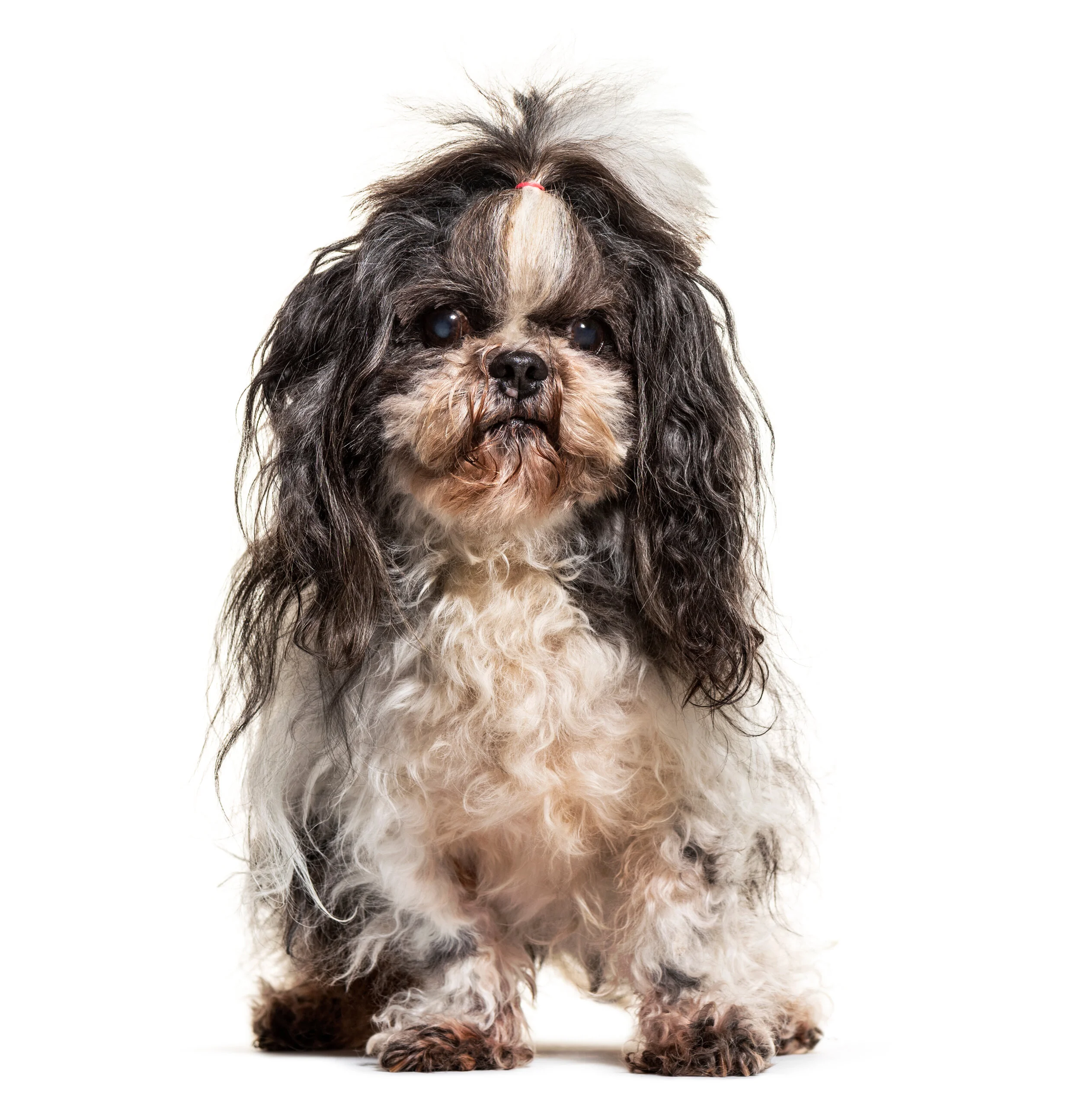
Matted coats, whether double, straight, curly or wavy, can be challenging to manage physically, technically and sometimes emotionally. Severe matting can pull tightly against the skin, restrict movement and conceal irritation or injury. Removing it requires careful assessment, sound judgement and an understanding of the risks involved.
There are times when clipping is the only appropriate option. The blade must be suitable for the coat and used with great care, particularly where matting is tight against the skin. Blade temperature, loose skin, hidden folds and the dog's comfort all need constant attention.
Not every matted coat needs to be clipped off. Conditioners, detangling sprays and appropriate brushes and combs can assist with manageable tangles and matting. You'll find tutorials on dematting without clipping in the Advanced Techniques section of the Groomerverse.
The demonstrations below cover different degrees of matting and several approaches to coat removal, including blade selection, pre-clipping, wet clipping and finishing the groom.
Be the Dog's Advocate
Seeing a severely matted dog can be heartbreaking. We know how uncomfortable that coat may be, and it's natural to feel frustrated that a dog has reached this point. But we rarely know the whole story.
Sometimes it's neglect. Sometimes it's a lack of understanding about coat care. Sometimes an owner is elderly, unwell, overwhelmed, living with dementia or simply unable to manage what their dog's coat requires. There are countless circumstances in between, and we cannot know them all by looking at the dog.
As professional groomers, education is an important part of our responsibility. We need to explain what matting does to a dog, why removing the coat may be necessary and what the owner can do to prevent it happening again. That might mean demonstrating brushing and combing techniques, recommending appropriate products, providing written coat care information or arranging a grooming schedule that better suits the dog's needs.
These conversations aren't always easy. We may need to be very clear about what a dog has experienced and what needs to change. But we can be firm without being judgemental, and we can educate without making someone feel ashamed.
Above all, we must be good advocates for the dogs in our care. They cannot explain their discomfort, ask for a shorter haircut or tell their owners when brushing has become painful. We need to speak for them, make decisions in their best interests and help the people who care for them understand what they need.
Educate with kindness. Advocate for the dog.
A Note About These Tutorials
Some of these demonstrations were filmed spontaneously when a matted dog came into the salon. Rather than arrange a grooming session specifically for filming, we took the opportunity to document genuine cases as they presented themselves.
As a result, some footage is filmed vertically and the production is less polished than our usual tutorials. The techniques, observations and decision-making, however, are well worth sharing.
Choosing a Blade for a Matted Coat
One of the most important decisions when grooming a matted dog is choosing a blade that can safely pass beneath the coat without dragging or pulling the skin.
In this demonstration, we see a young dog whose coat has become heavily matted since his previous appointment. Although his owners would prefer to retain some length, the presenter works through several blade options to show why that isn't always possible.
Watch how the longer blades become caught in the matting, making it increasingly difficult to clip safely. A #7 blade is eventually selected, allowing the coat to be removed without forcing the clippers through it.
The tutorial also shows how some coat can be retained where the matting allows, including the ears.
Pre-Clipping & Finishing a Matted Dog
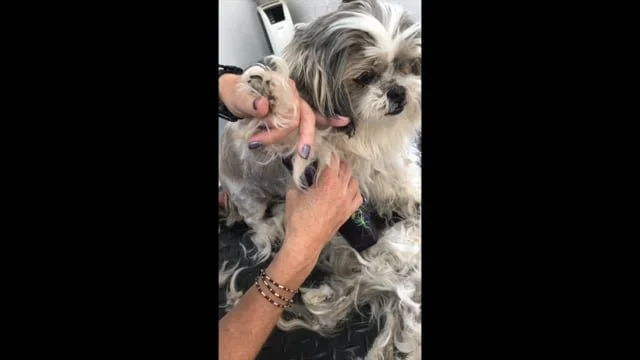
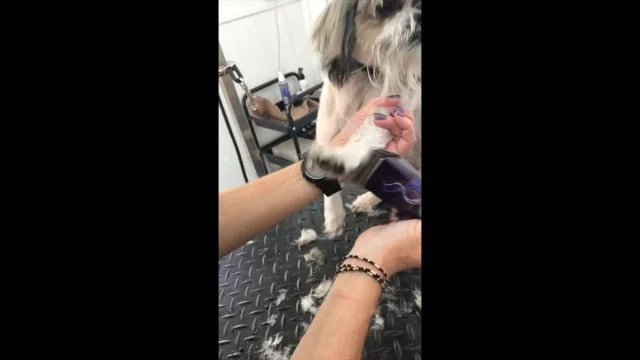
Not all matted coats present the same challenge. In this two-part tutorial, Nicky works with a dog whose matting is concentrated around the lower body and legs, with much of it sitting away from the skin.
Part 1 | Removing the Matted Coat
Using a #7 blade, Nicky demonstrates how to remove the bulk of the coat before bathing, concentrating on the legs, armpits, flanks and other areas where matting can be difficult to access.
There's particular attention to hand placement, clipper direction and clearing an area before repositioning the dog. Nicky repeatedly reinforces the importance of not pulling on matted coat, which can draw loose skin into the path of the blade.
She also explains why a pre-clip is about removing bulk rather than achieving a finished haircut.
Part 2 | The Finishing Groom
Following the bath and dry, Nicky returns to the coat with her #7 blade to refine the clip and remove remaining uneven areas.
The head, ears and feet are then shaped to suit the short body, with attention to keeping the eyes clear, blending the clipped areas and creating a tidy, balanced finish.
Removing a Severely Matted Coat
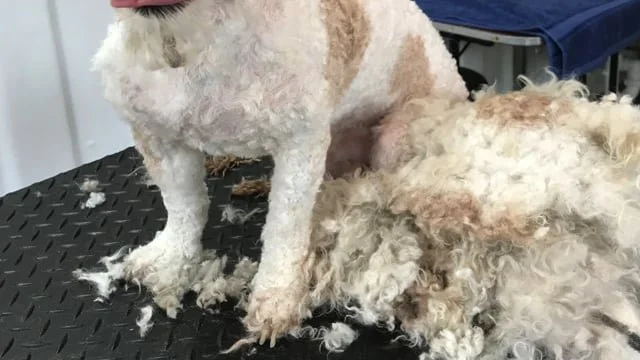
This three-part demonstration follows a much more severely matted dog through the entire grooming process. With extensive matting around the body, legs, tail and ears, much of the coat must be removed before bathing.
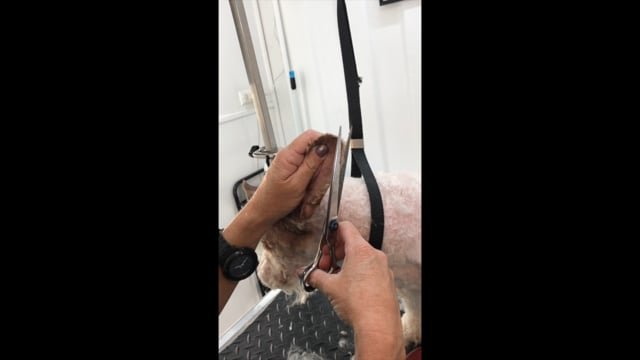
Part 1 | Clipping Away Severe Matting
The coat is removed progressively with a #7 blade, working carefully beneath the matting rather than pulling it away from the skin.
Particular attention is given to the tail, neck, armpits and legs, where folds of skin and hidden dewclaws create additional risks. The presenter demonstrates working around these areas in small sections, maintaining control of the blade and avoiding unnecessary tension on the coat.
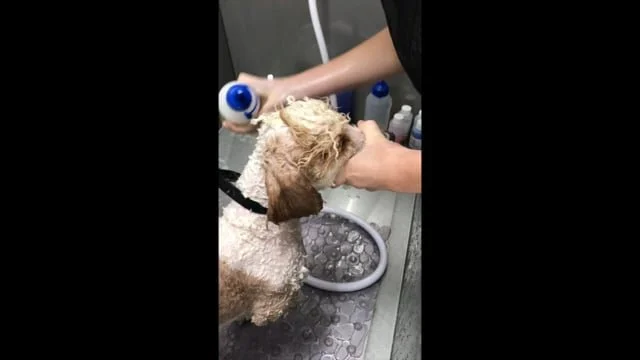
Part 2 | Bathing & Drying After the Pre-Clip
With the bulk of the matting removed, the dog can be bathed and conditioned more thoroughly.
This section follows the bathing and drying process, including rinsing, removing product residue and drying the remaining short coat. It also shows how much easier coat preparation becomes once the heavy matting has been removed.
Part 3 | Creating a Comfortable, Manageable Finish
The final stage focuses on the head, ears and remaining coat. Very little length can be retained, but the presenter works with what's available to create a neat, proportionate finish.
The head is kept short to balance the clipped body, with particular attention to clearing the corners of the eyes and removing coat that would otherwise quickly become difficult to maintain.
Wet Clipping a Matted Coat
Wet clipping offers another approach to removing matting, where the dog's coat and condition make it appropriate.
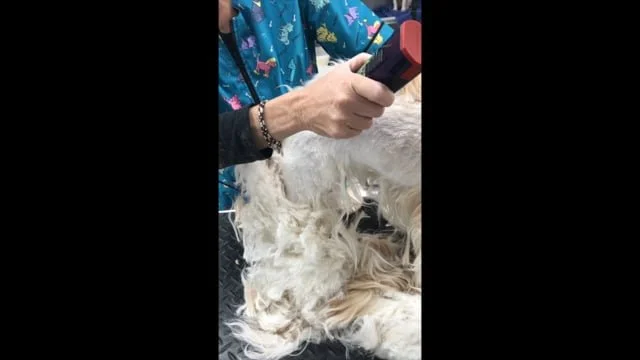
In this demonstration, Sue Wright bathes and conditions a heavily matted dog before clipping the damp coat with a #7F blade. She explains how washing can help lift some matting away from the skin, making it easier to work beneath without unnecessary pulling.
Watch how Sue stretches and supports the skin, works slowly underneath the matting and takes particular care around loose skin at the neck.
Following the wet clip, the dog is dried, clipped again and finished. Sue also explains how she cleans, dries and oils her blades after working on the wet coat.
The video is filmed in portrait, but it will lightbox out for easier viewing when clicked.

Study Notes | Key Concepts
-
A longer blade isn't necessarily a safer or kinder choice. If it catches in the matting, forcing it through can pull the skin and increase the risk of injury. The blade must be able to pass safely beneath the coat, even when that means removing more length than the owner had hoped.
-
Tightly matted coat can draw the skin into folds, making it particularly vulnerable to clipper injuries. Work methodically, support and stretch the skin where appropriate, and remain aware of the blade's position. The armpits, flanks, neck, ears, tail and areas around the dewclaws require particular care.
-
Pre-clipping removes the bulk of an unsuitable coat before bathing. It isn't intended to produce a finished haircut. Once the dog has been washed and dried, a second clip allows the remaining coat to be refined and the groom completed.
-
These demonstrations include both pre-clipping before bathing and wet clipping after washing and conditioning. Neither approach should be applied automatically. The extent and tightness of the matting, condition of the skin and the dog's ability to tolerate the procedure all need to be considered.
-
Severe matting can conceal wounds, inflammation or other skin problems. If the coat cannot be removed without causing significant pain or distress, or the skin appears injured or compromised, veterinary assistance may be necessary. Completing the groom should never take priority over the dog's welfare.
-
Helping owners understand their dog's coat is one of the most valuable things we can do. Demonstrate how to brush and comb through to the skin, explain which areas are most prone to matting and recommend a realistic grooming schedule. Our aim is to help the dog return in a more comfortable condition next time.
Client Education | Coat Care
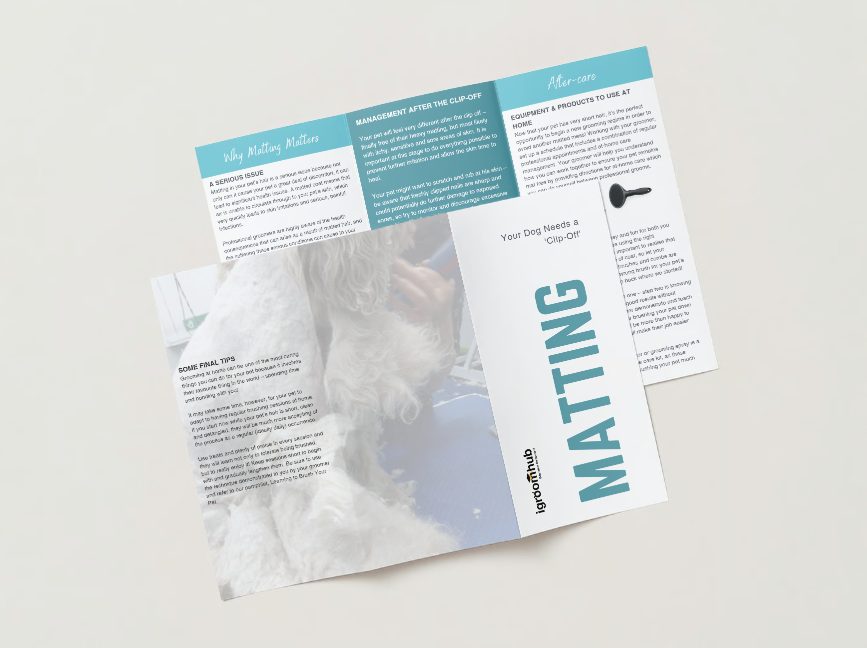
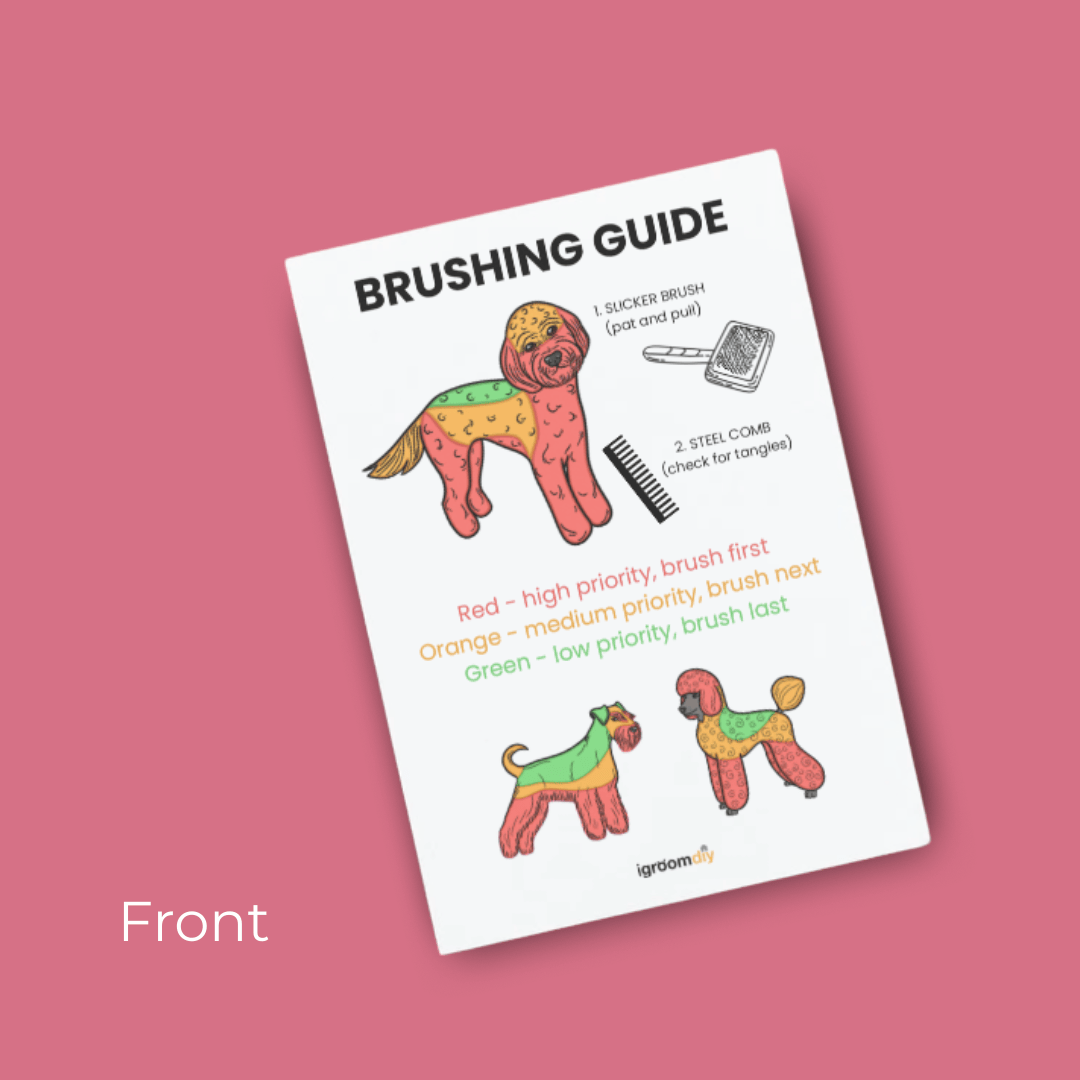
Removing a matted coat is only part of the job. Helping owners understand how to prevent it happening again can make an enormous difference to their dog's comfort and wellbeing.
We've put together resources you can share with your clients to help them understand their dog's coat, learn appropriate brushing and combing techniques, and recognise when it's time for a professional groom.
A little education, delivered with kindness, can change a dog's grooming experience for years to come.