

MASTERCLASS
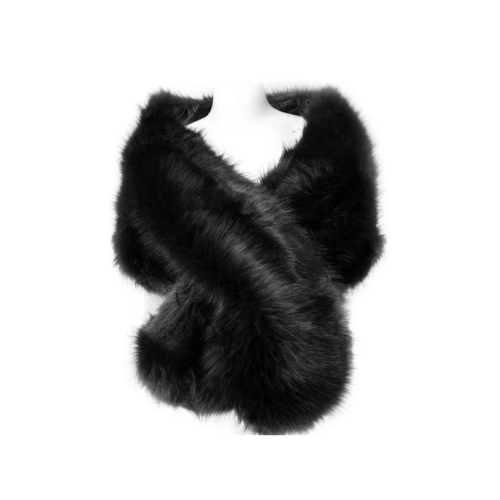
The Gatsby Trim
TAMIN
The Gatsby is a trim Arrow developed herself, inspired by the draped stoles of 50s and 60s style. It refers to the neck only: an S-shape running from the topknot down the back of the neck and over the shoulder into the chest. The Gatsby may look dramatic, but it's all about balance. In this tutorial, Arrow shows you how to create the signature S-shaped neckline that defines the style, explains the importance of head carriage and proportion, and demonstrates how this distinctive feature can be incorporated into a variety of poodle trims.
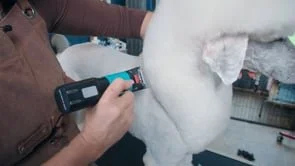
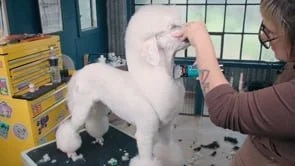
PART 1 Setting the neckline from the withers and scissoring the S so the topknot balances with the chest. Tamin is in a Miami underneath, so the focus stays on the Gatsby shape itself. Arrow works with large scissors to keep the curves clean, and explains why the line needs commitment rather than a tentative finish, and why the dog's head has to stay up to read the shape at all.
PART 2 Finishing the topknot and the front, with careful work around Tamin's high ear set so the line from eye to ear to topknot holds. The S is brought down to a point between the front legs and defined with a 10 blade. It closes on balancing the whole shape: topknot, back of neck and front kept even, rather than heavy at one end and thin at the other.
Study Notes | Key Concepts
-
The "Gatsby" doesn't describe the entire groom. It refers specifically to the dramatic S-shaped transition between the topknot, neck and chest. It can be paired with a Miami trim, flared legs, a lamb clip or other body styles.
-
The success of the Gatsby comes from balancing four elements:
Topknot length
Back of neck length
Chest length
Width through the shoulder
Rather than focusing on individual sections, step back regularly and judge the overall S-shaped silhouette.
-
This isn't a soft, blended trim. The Gatsby is designed to be bold and architectural. Clean clipper work with a #10 around the neckline helps define the shape and makes the design "pop."
-
The trim can only be assessed with the poodle holding its head naturally upright. Grooming with the head dropped forward completely changes the apparent shape, making accurate balancing almost impossible.
-
Large sweeping lines require either long straight scissors or long curves that match the shape being created. Small curved scissors tend to leave dents and uneven transitions in broad sculptural work.
