

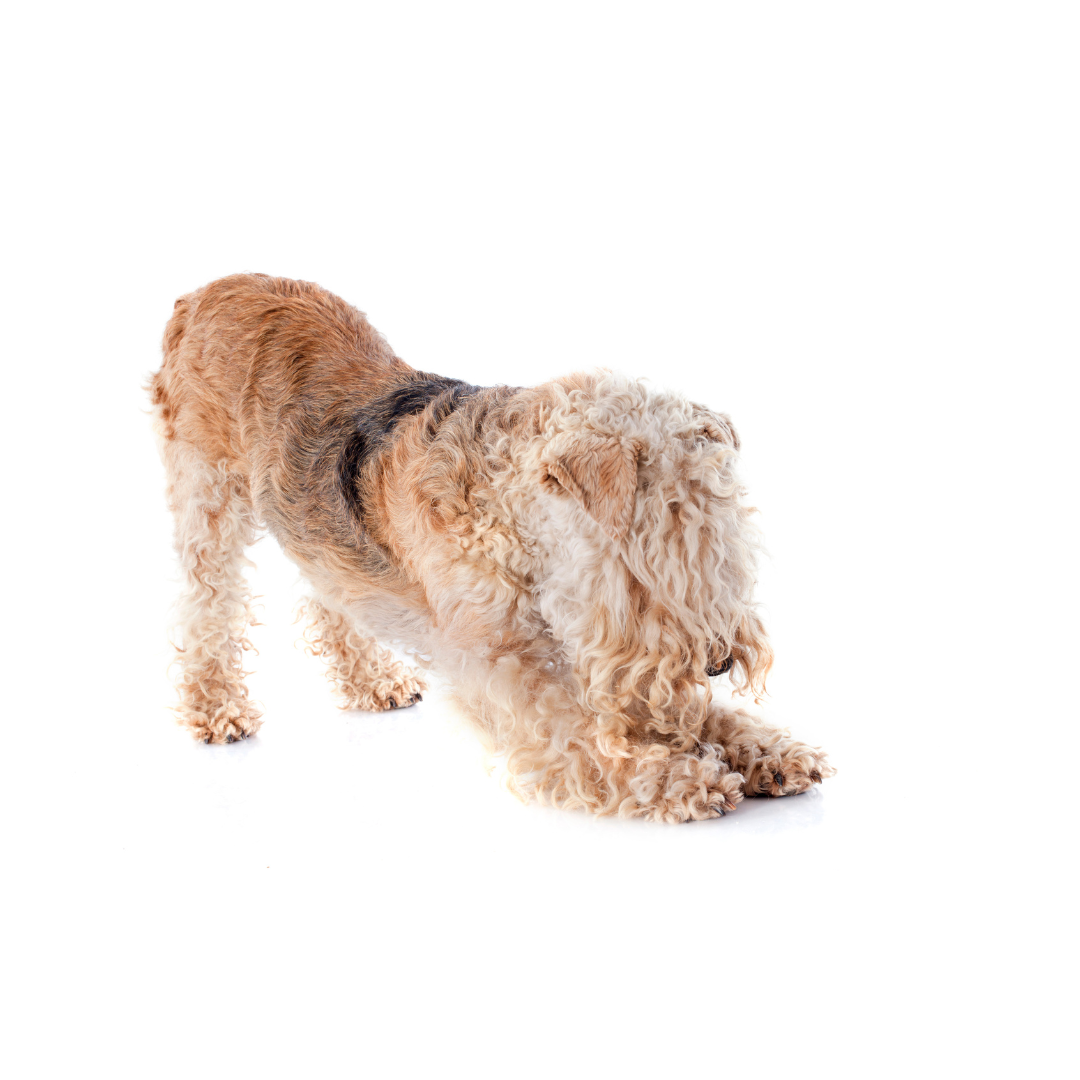
Lakeland Terrier
ALFIE
A rare member of Group 2, the Lakeland Terrier is traditionally hand stripped to maintain its harsh coat and crisp outline. In this tutorial, Michelle demonstrates a practical pet version of the breed trim on Alfie. His jacket is hand stripped to encourage coat texture and colour, while sensitive areas like the rear are clipped, and furnishings are scissored for a tidy, balanced finish.

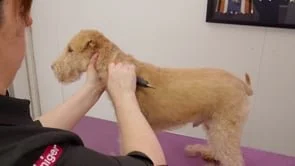

PART 1 Stripping the Jacket & Rear Michelle demonstrates how to hand strip Alfie’s jacket to maintain correct coat texture and encourage even regrowth. She shapes the body to suit the Lakeland profile and carefully blends into the rear, working around sensitive areas and previous thinning.
PART 2 Neck, Chest & Tail Michelle strips the neck, chest, and tail, managing cowlicks and patchy regrowth while aiming for a flat, tight finish. She explains how to work with the dog's tolerance and highlights key areas for promoting healthy coat development.
PART 3 Head & Ears Michelle hand strips the head, cheeks, and ears in a modified pet trim. She adapts the traditional fall and beard for a softer look and demonstrates how to handle sensitive areas like the cheeks and ears with care.
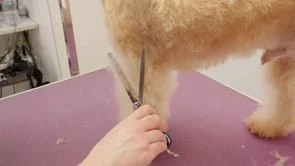
PART 4 Scissoring the Legs & Finishing Michelle scissors Alfie’s legs after bathing, creating compact, tidy columns and blending them into the stripped body. She clips the rear for comfort and finishes with detail work on the underline and chest for a clean, square silhouette.
Study Notes | Key Concepts
-
Alfie’s coat was stripped 3 weeks prior and is in new growth phase.
Hand stripping encourages correct texture, colour, and regrowth.
Ideal to strip regularly before the coat blows to maintain condition.
-
In this pet version, strip only the jacket; furnishings are scissored.
Focus on removing the top dead layer while preserving undercoat.
Always pull in the direction you want the coat to lie.
Sensitive areas like the rear and throat may require alternative handling or clipping.
-
Blend carefully between stripped jacket and scissored/clipped areas to avoid harsh lines.
Colour and texture changes (e.g. from wire to soft or pale) must be accounted for in blending.
Don’t over-strip thin or previously clipped sections; card instead.
-
Lakelands should look compact, square, and sturdy—not long or fluffy.
The underline should not drop past the elbow.
Flat work across the chest and neck enhances breed silhouette.
-
A pet trim may forgo the full traditional fall, but aim to retain terrier expression.
Strip head and ears tight to reveal rich colour and highlight cheek structure.
Cheeks can be clipped if the dog finds it too sensitive
-
Legs should form tight columns - use thinners or blenders to maintain natural texture.
Keep fronts short and clean to give a 'tippy toe' appearance.
Rear is often clipped if sensitive; blend seamlessly into stripped areas.
-
Discuss preferences: full hand strip vs. modified pet trim.
Adjust trim based on what the dog tolerates.
Educate owners on the look of a freshly stripped coat - it improves over time.
