




Psychological Health at Work
meet your WHS obligations and build a kinder, safer workplace.
Under Australian Work Health and Safety (WHS) laws, all workplaces must manage psychosocial hazards - the parts of work design, organisation, and culture that can harm a person’s psychological health.
These are recognised health and safety risks that must be identified, controlled, and reviewed, just like physical hazards.
In grooming, psychosocial hazards can come from high job demands, emotional exposure, client aggression, unclear roles, and more.
This page explains your legal duties, and five simple steps to create a safer, calmer workplace.
What Grooming Businesses Need to Know
Grooming can be tough on both body and mind. Between managing dogs, clients, time pressures, and small team dynamics, stress can pile up fast.
Across Australia, regulations make it your legal duty to manage not just physical hazards (like bites and slips), but also psychosocial hazards that can harm mental health.
If you run a salon, mobile service, or hire casual help, you must now show how you’re identifying and managing psychological health risks, just like any other safety issue.
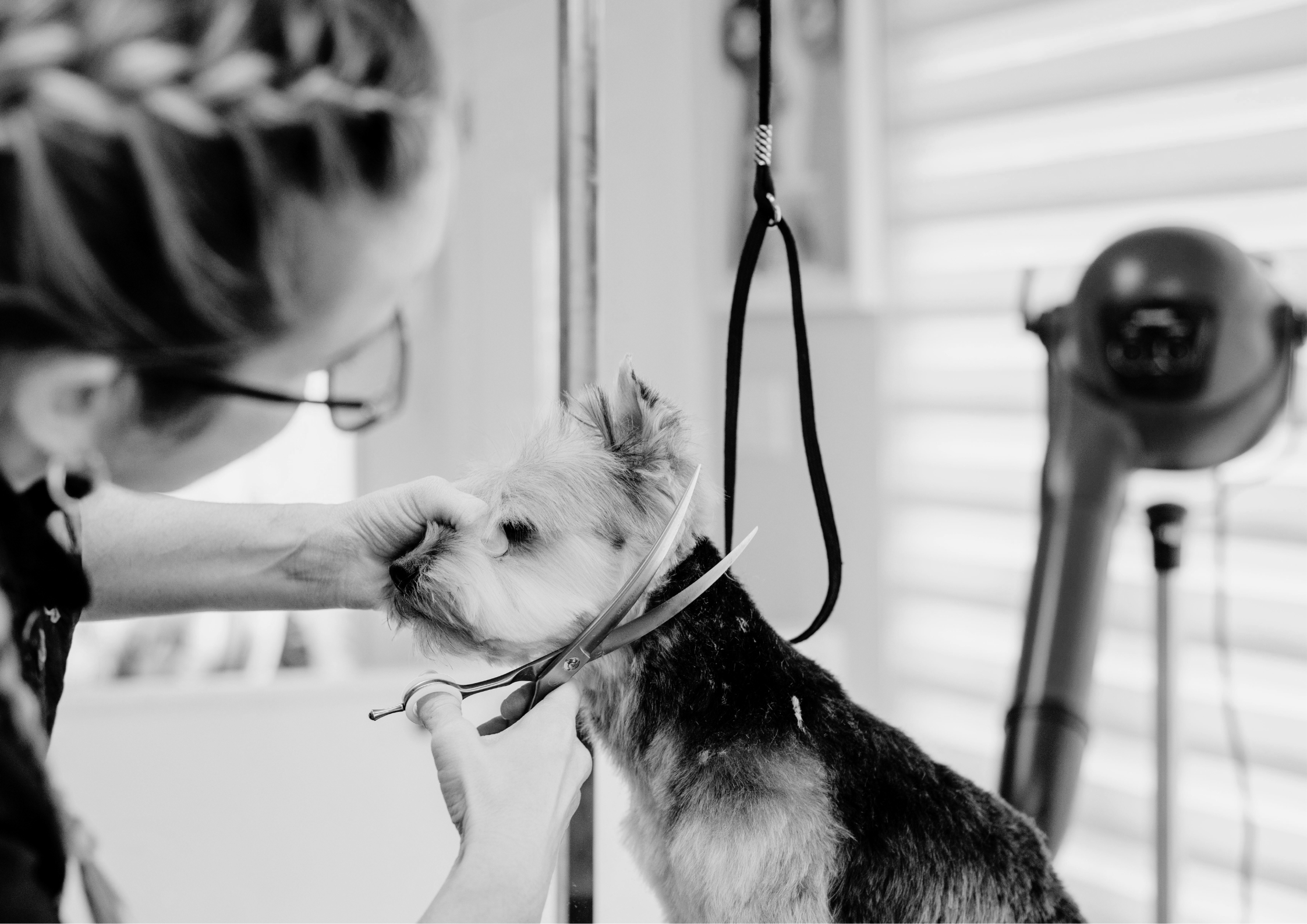
Here’s how to stay compliant
You don’t need complex systems or HR jargon, just a simple plan that shows you’re managing mental health risks at work.
Follow these 5 practical steps to make sure your grooming business meets Australia’s psychological health requirements.
1
Understand the Risks
Psychosocial hazards are anything at work that might harm mental health. In a grooming setting, that can look like:
-
EXAMPLE Back-to-back dogs, no breaks
RISK Fatigue, burnout
-
EXAMPLE Rude or abusive owners
RISK Anxiety, stress
-
EXAMPLE Distressed animals, matted dogs
RISK Compassion fatigue
-
EXAMPLE Mobile groomers working alone
RISK Fear, lack of support
-
EXAMPLE Confusion over tasks or feedback
RISK Frustration, self-doubt
-
EXAMPLE Staff tension or poor behaviour
RISK Psychological harm
-
EXAMPLE Doing admin, grooming, cleaning
RISK Overload, stress
-
EXAMPLE Hard work goes unnoticed
RISK Disengagement
2
Check Your Legal Duties
Under Work Health and Safety (WHS) laws, you must:
Identify psychosocial hazards in your workplace
Assess how likely and serious each risk is
Control them by changing how you work
Review and update your approach regularly
It’s about creating a workplace where people feel safe, supported, and respected so they can do their best work and stay in the industry longer.
3
TAKE ACTION
Identify
Ask your team what stresses them out.
Look for signs: fatigue, complaints, absenteeism.
Write a quick list of hazards.
Assess
For each one, ask:
Who is affected?
How serious could it be?
How likely is it to happen?
Start with the biggest problems.
Control
Put simple fixes in place:
Add buffer time between grooms
Train staff to handle difficult clients
Create a clear “client behaviour” policy
Encourage breaks and debriefs
Hold regular check-ins
Set up a phone check-in for mobile groomers
Offer recognition and feedback
Make sure everyone knows who to talk to if they’re struggling.
Review
Every few months, check what’s working and update your plan.
Write it down - that’s your compliance record.

4
TALK ABOUT IT
Consultation is a legal requirement, and the easiest way to fix problems.
Ask:
“What makes your day harder than it needs to be?”
“Where do you feel rushed or unsafe?”
“Is there anything we could change to make work less stressful?”
Listen, act, and document it.
5
Keep Simple Records
You don’t need HR software, a notebook or shared document works fine.
Record:
What hazards you found
What actions you took
When you’ll check it again
Who’s responsible
That’s all regulators want to see.
Psychological Health Action Template
Managing mental health risks at work doesn’t have to be complicated.
Use this simple template to record stress points in your workplace, consult your team, plan fixes, and keep a log of what you’ve done, so you can show compliance with psychological health and safety laws.
Click the button below and log in with any Gmail or Google account to save your own editable version.
EXTRA RESOURCE LINKS


Example Workplace Psychological Health & Safety Policy
YOUR IGROOMBIZ TOOLS
Employ Staff | Staff Induction | Solo Groomers | Client Management | Promote Your Business | Psychological WHS | HR Help
