

How to Groom Your Dog at Home Like a Pro

A practical guide for dog owners who want to keep their pup looking and feeling great without the salon appointment.
Grooming your dog at home can save money, strengthen your bond, and help you spot health issues early. But where do you start? What do you actually need? And how do you do it safely?
Whether you’ve got a scruffy mutt or a high-maintenance floof, this guide walks you through the essentials of grooming at home, step by step.
PRO TIP! If you’ve just brought a new puppy home, especially a breed that needs regular grooming, it’s a smart idea to book around five professional grooms in those early 6 to 8 months (after your puppy has had its last vaccination). A good groomer will work with you and your puppy to gently introduce key experiences like brushing, dryers, nail trims, and standing on the table. At the same time, there are important things you’ll need to do at home, like daily handling, brushing, and helping your pup learn to stay calm during grooming tasks. This early teamwork pays off - your dog becomes easier to groom for both you and your groomer, setting them up for a lifetime of stress-free care.
Want to Learn This Properly?
The igroomdiy Home Grooming Course covers everything in this guide - and more. Built by professional groomers for dog owners who want to do right by their dog at home.
Why Groom at Home?
Regular grooming keeps your dog clean, comfortable, and healthy. It also:
Reduces shedding and matting
Helps you check for lumps, bumps, or parasites
Prevents overgrown nails and ear infections
Builds trust and connection
With the average salon groom costing upwards of $100 every 6 to 12 weeks, at-home grooming is also a budget-friendly option, especially with the right tools and know-how.
What You’ll Need
Before you begin, gather these basic grooming tools:
Dog brush or comb (based on your dog’s coat type)
Dog-safe shampoo and conditioner
Towels and non-slip mat
Nail clippers (dog-specific)
Dog toothbrush and toothpaste
Ear cleaner and cotton pads
High-velocity dryer or pet-safe handheld dryer (optional)
Treats for rewarding good behaviour
Step-by-Step Dog Grooming at Home
1. Set Up a Calm Grooming Space
Choose a quiet, well-lit area. Lay down a towel or non-slip mat. Have your tools within reach. Keep treats nearby. Make sure your dog is relaxed and not overdue for a meal or walk.
2. Brush AND COMB the Coat
Brushing removes dirt, tangles, and dead hair. Use a slicker brush for long or double coats, and a bristle brush for short coats.
Start with the back and work your way forward, using a line brushing technique.
Be gentle around sensitive spots (ears, belly, tail).
Check for knots, fleas, or skin issues.
Not sure what brush to use? Our DIY Grooming Course includes breed and coat-specific tips.
3. Clean the Ears
Lift the ear flap and check for redness, gunk, or foul smells. Use a dog-safe ear cleaner:
Apply cleaner to a cotton pad (never a cotton bud).
Wipe the outer ear gently.
Skip this step if you see signs of infection - call your vet instead.
4. Trim the Nails
Overgrown nails can cause pain or posture problems.
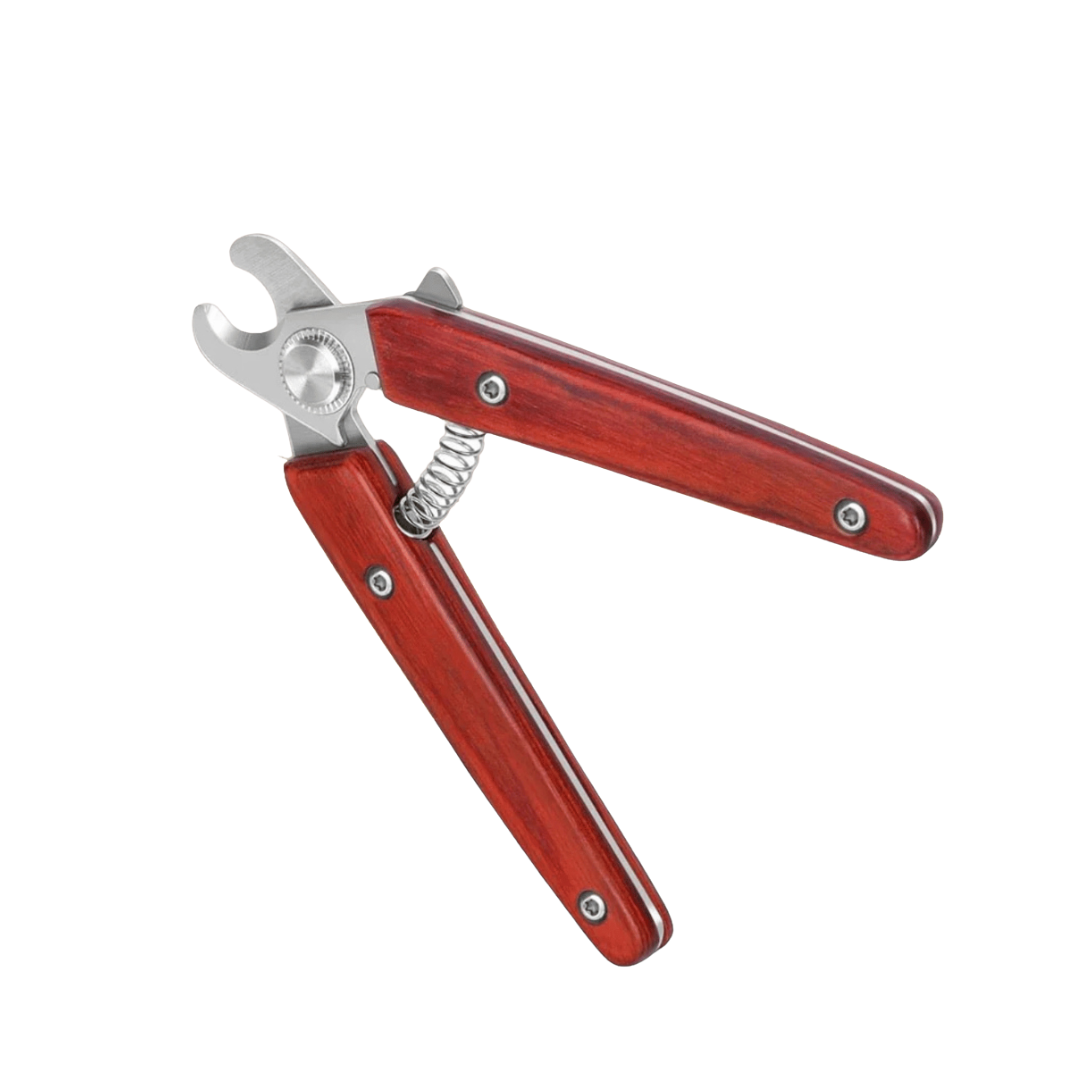
Use dog nail clippers or a grinder.
Trim a little at a time - avoid the pink quick.
If you nick it, use styptic powder to stop bleeding.
Nervous? We’ve got a tutorial that walks you through it.
5. Bathe Your Dog
Only bathe your dog when they’re truly dirty or smelly as overbathing can dry out the skin.
Wet thoroughly with lukewarm water.
Lather with dog-safe shampoo. Avoid eyes, ears, and mouth.
Rinse well and wash again.
Rinse well and apply conditioner.
Rinse thoroughly.
Towel dry or use a home hair dryer on low heat.
Need a hand? Watch Nat bathe Lolly in her kitchen sink.
6. OPTIONAL: Brush the Teeth
Use a dog toothbrush and toothpaste (never human toothpaste).
Lift lips gently and brush in small circular motions.
Focus on molars and back teeth.
Go slow and reward often.
If brushing isn’t an option, dental wipes or chews can help - but brushing is best.
7. Optional: Hair Trimming (Proceed with Caution!)
Scissoring and clipping should only be done if you understand safe technique and danger zones on the dog.
Use blunt-nosed scissors or thinning shears.
Never cut around eyes, ears, paws, groin, or underarms without training.
If unsure - stop. Book a professional or sign up for a hands-on DIY class first, like this one.
Remember: trimming isn’t just about looks - it affects comfort and hygiene. But safety comes first.
8. Praise and Reward
End each step with gentle praise, treats, and affection. Make grooming a positive experience. The more relaxed your dog feels, the easier it gets next time.
Pro Tools for DIY Groomers
Professional groomers invest in high-quality tools that are safer, sharper, and more efficient. You don’t need a full salon setup, but some upgrades make a big difference:
Clippers with guard combs (for safe trimming)
High-velocity dryers (for fluff drying)
Silicone de-tangling sprays
Curved or thinning shears for minor tidy-ups
Need help choosing the right kit? We stock DIY grooming bundles to get you started.
When to Call in a Pro
Some tasks are best left to professionals:
Removing severe matting
Styling specific breeds
Trimming around sensitive zones
Grooming anxious or reactive dogs
You can still do basic maintenance at home - but for the tricky stuff, it’s okay to hand it over.
Learn with Us
If you're serious about learning to groom at home, our DIY Grooming Course gives you practical guidance, safety tips, and step-by-step tutorials for everyday pet styles. You’ll also get access to pro insights you won’t find on YouTube.
Frequently Asked Questions
How do you groom a dog for beginners?
Start by brushing the coat, cleaning the ears, trimming nails, bathing, and brushing teeth. Go slowly, keep sessions short, and use lots of treats.
How often should I groom my dog?
Brushing: 2–3 times/week. Bathing: every 4–6 weeks. Nails: every 3–4 weeks. Teeth: several times/week.
Can I trim my dog’s hair at home?
Yes - but only if you’ve learned how to do it safely. Certain areas (like eyes, paws, and groin) require care and experience.
What’s the most important grooming task?
All are important, but regular brushing and nail trims make the biggest difference to comfort and health.
What do I do if my dog hates grooming?
Start slow. Keep sessions short and positive. Use high-value treats. Our course includes behaviour tips to help.
Ready to Start?
Grooming at home doesn’t have to be overwhelming. With a few tools, some patience, and the right guidance, you can do a great job - and your dog will feel better for it.
Explore our online DIY Grooming Course today and take the stress (and cost) out of grooming for good.
CHECK OUT OUR HOME GROOMING KITS
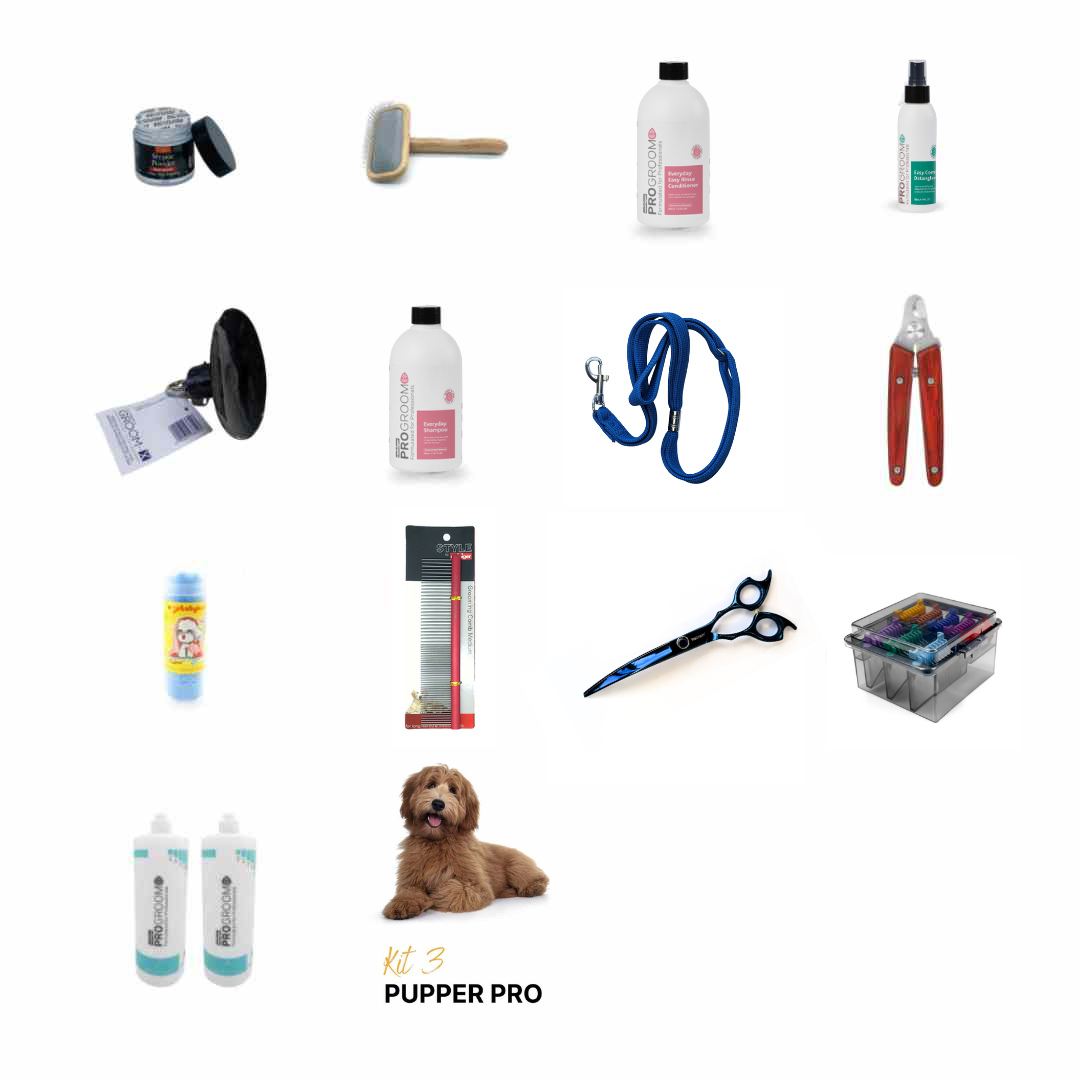
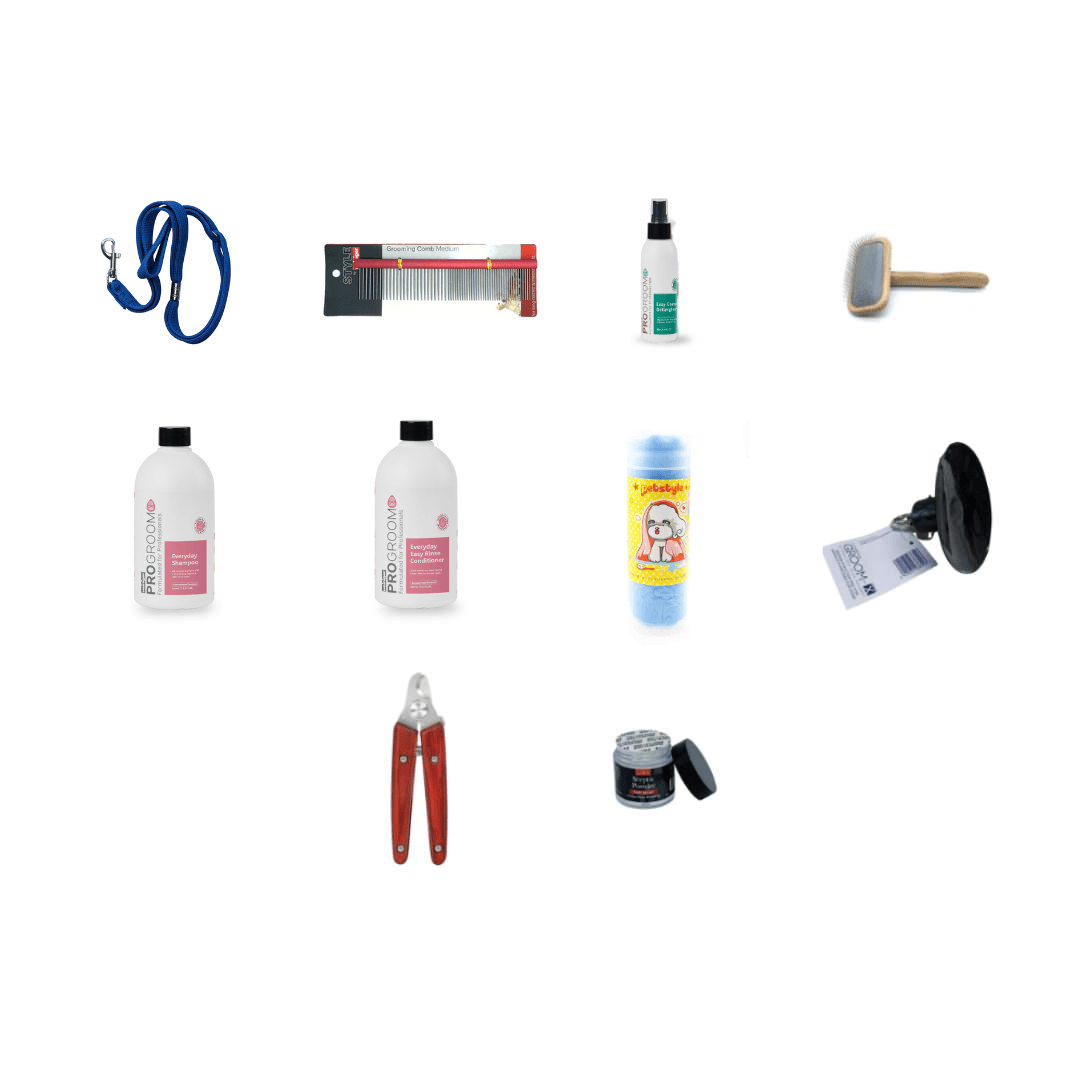



Everything you need to brush, comb, and detangle your dog at home. Perfect for puppies, mixed breeds, and any dog who needs regular coat care between grooms. These tools help keep the coat healthy, reduce knots, and make handling easier for your dog.
Want to learn the right way to brush and comb? Watch our free tutorials inside the DIY membership.
This kit contains:
• 1 x ProGroom Detangler Spray
• 1 x ProGroom Medium Slicker Brush
• 1 x ProGroom Steel Comb
RRP value: $62
Your price: $49