MASTERCLASS
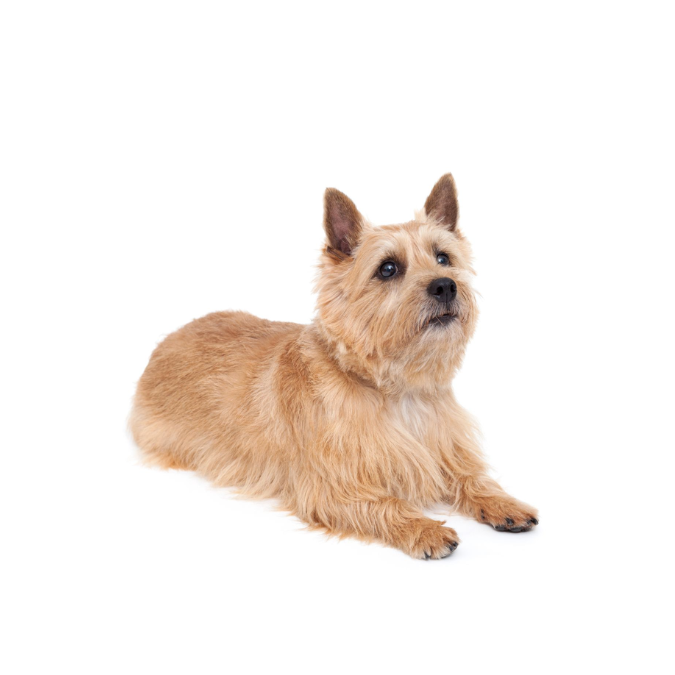
Norwich Terrier
FRANKLIN
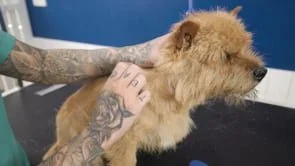
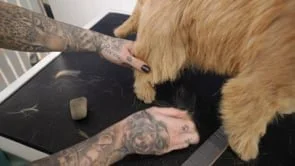
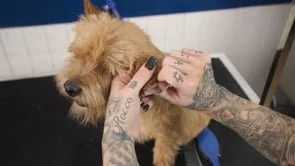
Alicia and Franklin demonstrate the proper tools and hand-stripping techniques to maintain a natural, layered look for a show-ready coat on this cobby breed.
EQUIPMENT
Stripping stone
Metal comb
Super fine stripping knife
Thinning scissors
Nail clippers
5-in1 trimmers
Slicker brush
PART 1 Alicia introduces the Norwich Terrier and describes the breed highlights and how she strips Franklin. Starting on the topline, using a stone, Alicia shows how to pick the top layer, leaving the coat underneath, to promote coat growth.
PART 2 Moving on to the neck, Alicia shows how to disguise a cowlick, highlight the prosternum and tighten the shoulder. Also learn how to accentuate the rear of the dog.
PART 3 The Head; learn how to create the appearance of small ears and a rounded topskull as per the breed standard. Alicia uses a strippung knife on the ears and head.
PART 4 How to use thinning scissors to create a natural foot, and use thinners in areas which are hard to strip.

Breed Standard at Dogs Australia
Study Notes | Key Concepts
-
Keep the topline level and smooth from the neck to the withers.
Leave longer hair on the neck for a natural blend over the withers to hide any rolls.
-
Avoid scissoring in order to retain rich colours, especially for red wheaten and black and tan coats.
Regularly work through the top layers to promote healthy coat growth and colour depth.
-
Norwich Terriers have a “cobby” appearance, with a deep but compact chest.
Keep hair along the underline full but without an obvious skirt for a balanced, compact look.
-
Shape the tail in a carrot style, maintaining thickness to support the dog’s strong silhouette.
Personalise the rear angulation by stripping or leaving more hair as needed for balance.
-
Keep the head short and rounded, with a slight roundness on the top skull.
Strip ears tightly around the edges to make them appear smaller.
-
Maintain a strong, cylindrical shape on legs, avoiding over-thinning.
Shape feet for a compact, natural look without removing past the pasterns
-
Keep a slight scruff around the eyes for a “cheeky” look, characteristic of the breed.
Avoid excessive removal on the head or muzzle, which can impact the breed’s expression.
-
Regular stripping is essential to prevent “blown” coats and maintain layers.
Focus on picking through coat sections each session to preserve natural texture.
Want to learn hand stripping properly?
The Essential Guide to Hand Stripping takes you beyond the introduction, with detailed learning on coat and hair, tools, terminology, technique, rolling and staging coats, breed standards, handling considerations and more.
Some of the breed demonstrations included in the course are already available to you here on igroomhub, so Members receive 50% off the full course.
Use code CHUX at checkout