

Dogs, Instinct, and the World They’ve Learned to Live In
Dogs have been hanging out with humans for thousands of years, long before they were wearing Halloween costumes or claiming the best spot on the couch. They were our hunting partners, protectors, and professional crumb collectors. But here’s the wild part: a lot of the things your dog does today - barking at the postie, stealing socks, or tilting their head when you talk - are still driven by instincts that once helped their ancestors survive.
Let’s take a brisk stroll through history with our four-legged friends and see what their instincts can teach us.
The Hunter’s Instinct

My foodz has arrived early!
Ever wondered why your dog chases the ball like it’s the last tennis ball at the Aussie Open, then parades it around like they’ve just beaten Roger Federer in a 30-shot rally (assuming the Fed was still at the top of his game). That's the hunting instinct.
Back then: Dogs helped humans track, chase, and catch food. Basically, the original Uber Eats except with much more teeth involved and wouldn’t ask you for a tip upon delivery.
Today: The “hunt” usually looks like chasing toys, shadows, the neighbour's cat, or your left shoe (and usually when you’re running late for work).
Pack Living
Dogs are born pack animals which explains why they’re desperate to follow you everywhere, even the bathroom, because god forbid we pee in private.
Back then: Pack structure kept them alive, everybody had a role, from hunting, to guarding and everything in between. They would probably be up for an award for “Most Efficiently Co-ordinated Workplace” today.
Today: Your dog still wants to be part of the pack, granted it’s less about sheer survival and more about providing their services as a furry hot water bottle in your lap, but hey, a job is a job! Which brings us to our next trait…
The Need for a Job
Dogs were bred to do stuff! Herd sheep, retrieve ducks, pull sleds. Having a job gave them purpose.
Back then: A dog without a role wasn’t hanging around long. Everyone had to earn their keep and they certainly wouldn’t be given their mandatory two weeks notice if they weren't.
Today: Even “lap dogs” secretly crave a mission, which is why you’ll catch them herding the kids, patrolling the fenceline in the backyard, or monitoring the movements of the robotic vacuum.
Guarding the Territory
That bark at the door? As much as we roll our eyes and apologise profusely to the Postie, that’s not mischief (at least not always), it’s 10,000 years of home security kicking in.
Back then: Dogs were the original ring door cameras, warning off predators and intruders, powered by bodyheat rather than kilowatts.
Today: The incoming “threat” might just be the friends you’ve invited over for dinner or a pigeon that dared step foot on the front lawn. It quite literally “goes with the territory”.
Scavenging for Snacks
Ever wondered why your dog eats so quickly when they don't have access to Gaviscon (indigestion, hello!), or why they’re so quick to gobble up your dropped pizza toppings. Dogs are natural-born scavengers.
Back then: Wolves and early dogs survived by hanging around human camps, scooping up leftovers and quickly at that!
Today: Whether it’s stealing a piece of toast off the coffee table or mopping up crumbs under the highchair, your dog’s still rocking that same survival strategy
Communication Masters
This one has been learned behaviour over time. Dogs have been studying us for millennia and they’ve got it down to an art form. Forget Wilhelm Wundt, dogs were the OG fathers of psychology.
Back then: Reading human gestures and whistles meant dogs were prized hunting and working partners.
Today: One sad look gets them an extra treat, another walk, or the crust of your sandwich. Wundt… take notes.
The Lesson for Us Humans
When you look at your dog through the lens of history, suddenly their quirks make sense. The digging, the barking, the guarding, the “oops, I ate the bin contents again” moments - these aren’t ‘naughty’ behaviours, they’re survival instincts dressed up in modern fur.
Dogs didn’t just adapt to us, we adapted to them. Over thousands of years, they’ve learned to live in our world, to understand our tone, read our body language and respond to our expectations - often far better than we understand theirs. They’ve done the heavy lifting in this partnership.
The least we can do is meet them halfway. Instead of seeing behaviour as “good” or “bad,” we can start asking why a dog is behaving that way. Understanding the emotion behind the action helps us respond with empathy instead of frustration.
Our dogs have done an extraordinary job learning to live by our rules. Maybe it’s time we make more room for theirs - by listening, observing, and allowing them to be dogs.
With love,
igroomhub
The blog is just the beginning
igroomhub is an industry membership built for the modern dog groomer - tutorials, masterclasses, business resources, industry discussion and a whole lot more.
You might also ike
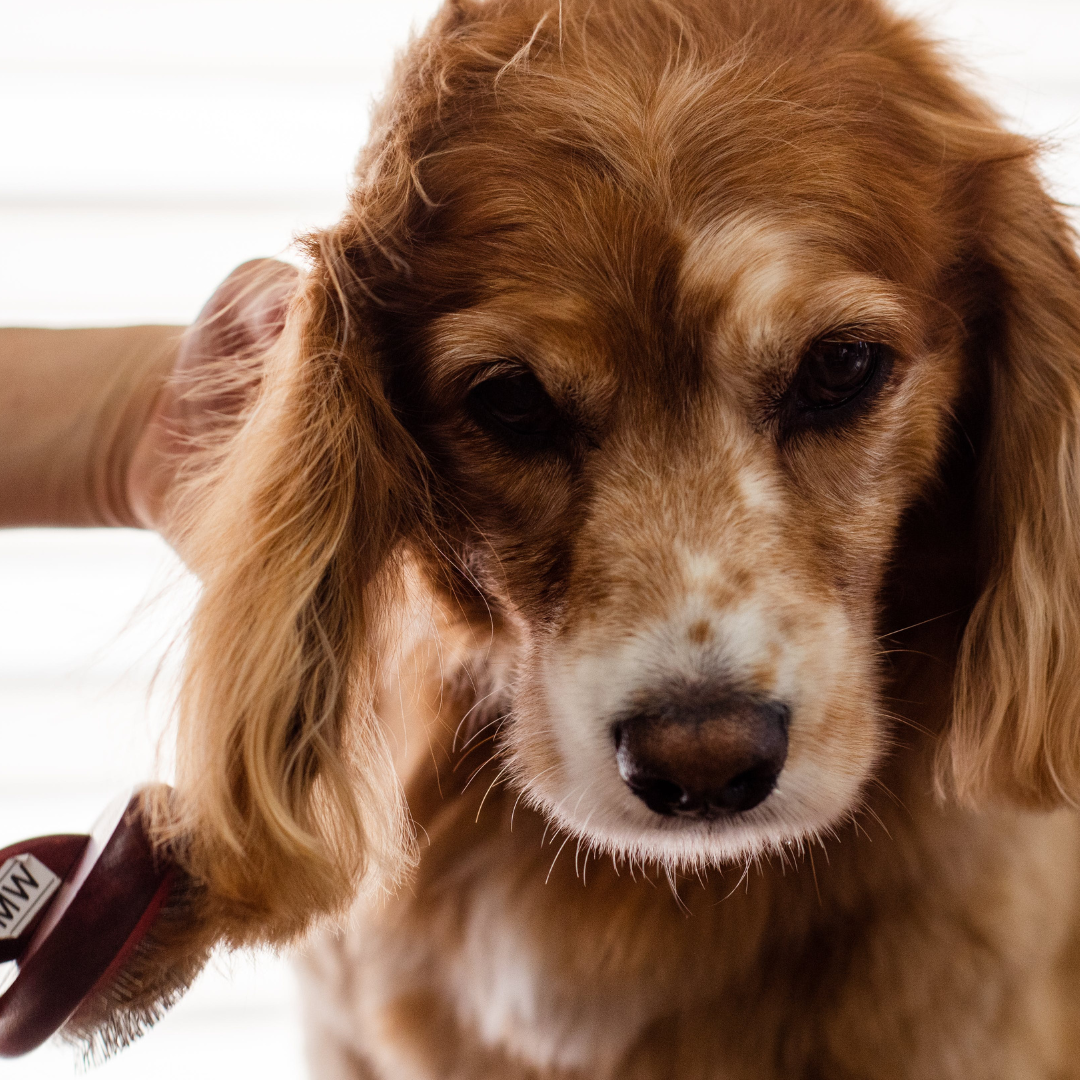


Maggie is a groodle and she is nervous. Not aggressive, not difficult - nervous. She tenses up when she doesn't know what's coming next.