

Toxic Foods for Dogs: What Every Dog Professional (and Owner) Should Know
Not all tummies were built the same, a truth you’d know if you’ve been out to eat recently. Every second menu option is adorned with capital letters screaming “if gluten gives you the runs, you’re safe with me!”. We’ve come a long way in understanding allergies and digestion when it comes to humans (and toilets everywhere are thankful for it), but when it comes to dogs, not everyone is as clear on what is and isn't safe.
As dog groomers, we’ve learnt about danger points, brush rash, and how to point a dog's nose to protect their lungs from water in the bath, but nutrition isn't always covered. Yes, we are groomers not feeders, but we should still know that when a slippery slice of avocado falls out of our sandwich, that we need to whip that away faster than a toupee in a hurricane.
Both human and canine digestive systems are ‘monogastric’, a fancy word to say we both have just the one stomach, quite a reasonable set up compared to cows who have four, which explains why the ozone layer is taking such a pounding.
One of the most significant differences is the acidity level in our stomachs. A canine stomach is 100 times more acidic than ours, which means it breaks down food a lot faster. It's a 4-12 hour one way trip for dogs, and a dawdling 24-72 hour trip for us. Their intestines are also a lot shorter, so they also found a cheeky shortcut.
Some foods contain compounds that can’t be broken down properly in such a short time frame, are too slow to process or cause direct damage to canine organs like their liver, kidneys and nervous system.
So before you make tomorrow's lunchbox, let's take a look at what common foods need to give our furry friends a wide berth at all costs.


Chocolate
Arguably one of the most well-known no-gos. Chocolate contains theobromine and caffeine, and the darker the chocolate, the more toxic it is (dark chocolate and cocoa are higher risk).
Effects: Vomiting, diarrhoea, tremors, seizures, heart issues.
Grapes & Raisins
The exact toxins present in these bad boys are unknown. All we do know is even a few can be fatal for dogs.
Effects: Acute kidney failure.
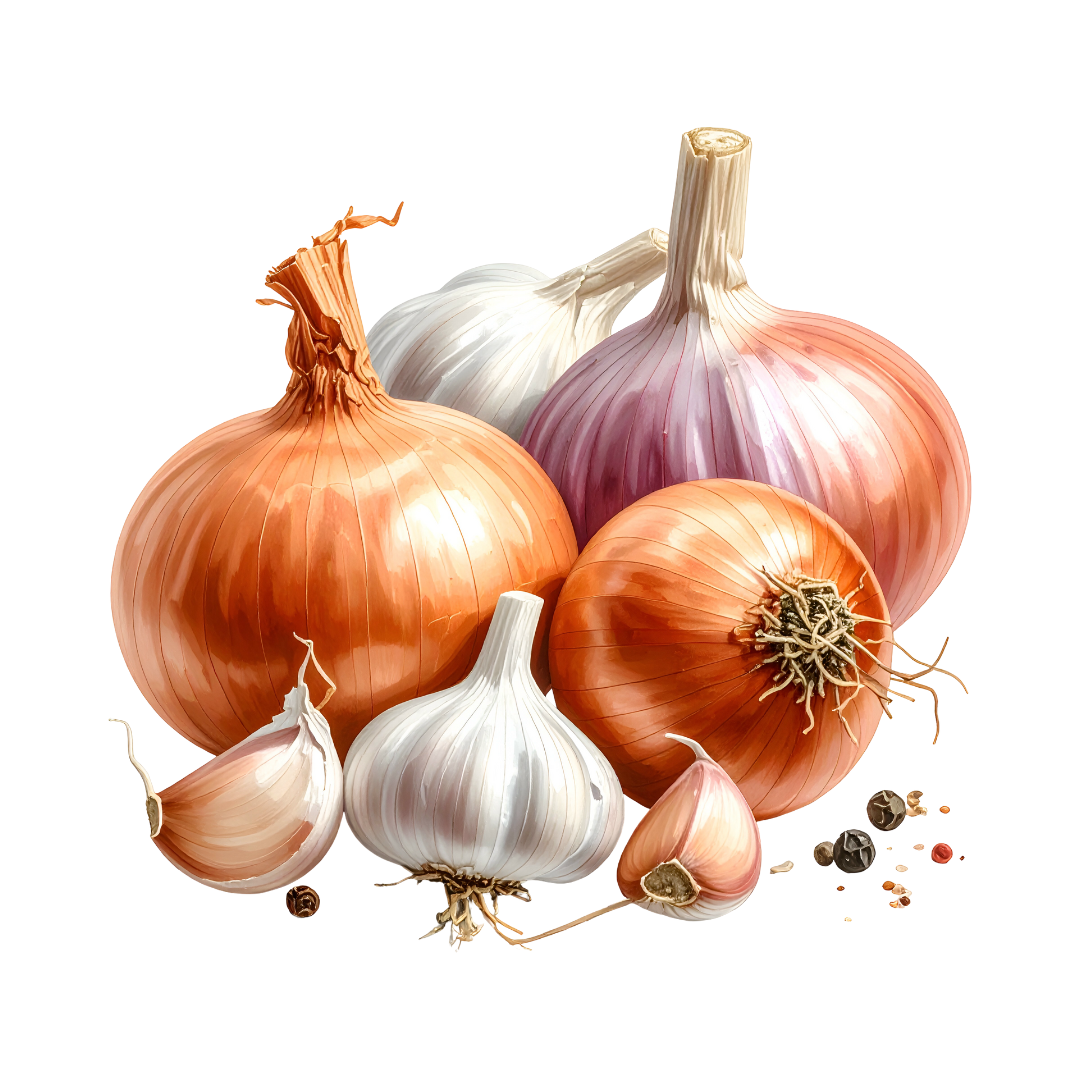
Onions, Garlic, Chives
Contain N-propyl disulphide and thiosulphates, sulfur compounds that damage red blood cells. This means they can be toxic whether cooked, dried, powdered or raw. Even some garlic supplements marketed to dogs can pose a risk if overdosed.
Effects: Weakness, collapse, anaemia.
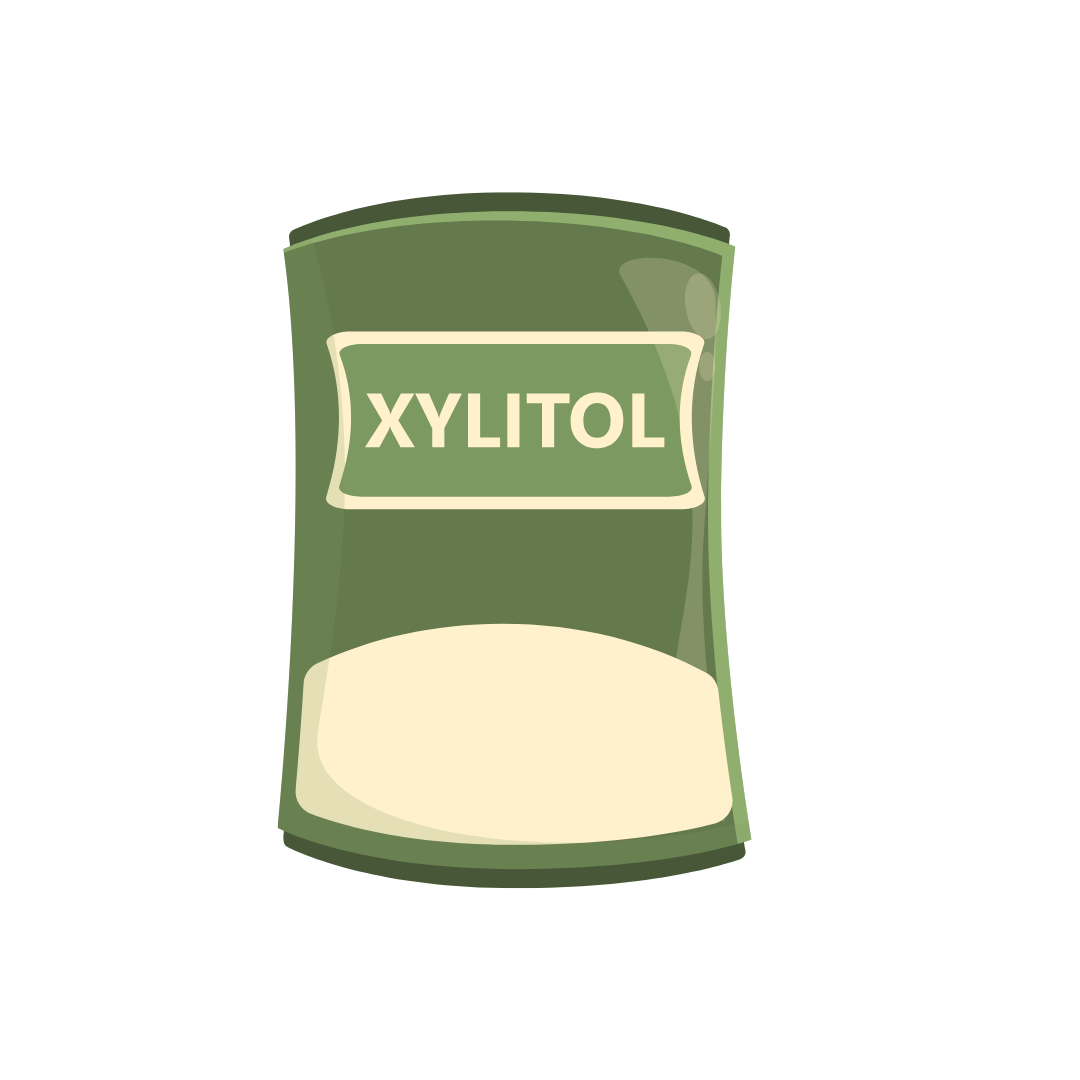
Xylitol
Xyli-whatttt?(what a great scrabble word) Xylitol is a sweetener found in a lot of common products. Its anti-cavity properties mean it's a fan favourite for things like chewing gum, mints, toothpaste and mouthwash. A lot of high-protein and sugar-free products also like to use Xylitol, but it causes a rapid insulin release in dogs.
Effects: Dangerous drops in blood sugar and liver failure.
Alcohol
No, filming your pup lapping up your favourite vino is not funny content. For the same reason your nightcap might help you fall asleep is the same reason it’s toxic for dogs. Alcohol is a central nervous system depressant. This also includes raw doughs and any fermented foods.
Effects: Vomiting, breathing issues, coma and even death.
Caffeine
Comparatively to alcohol, caffeine overstimulates the nervous system. So coffee, tea, energy drinks and pre-workout are off the table.
Effects: Restlessness, rapid heart rate, seizures.
Avocado
As much as you might enjoy a smashed avo at your local cafe, avocado contains persin and high-fat content. The flesh itself is less dangerous than the pit and skin but it’s safer to avoid it all.
Effects: Vomiting, diarrhoea, pancreatitis.
Stone Fruits
Think cherries, peaches, plums. Their pits contain cyanogenic compounds which is the fruit's way of self-preservation. Basically “eat me and see what happens”, and what happens is a release of toxic hydrogen cyanide. We might know not to eat the pit, but dogs don’t.
Effects: Oxygen deprivation, choking risk, intestinal blockage.
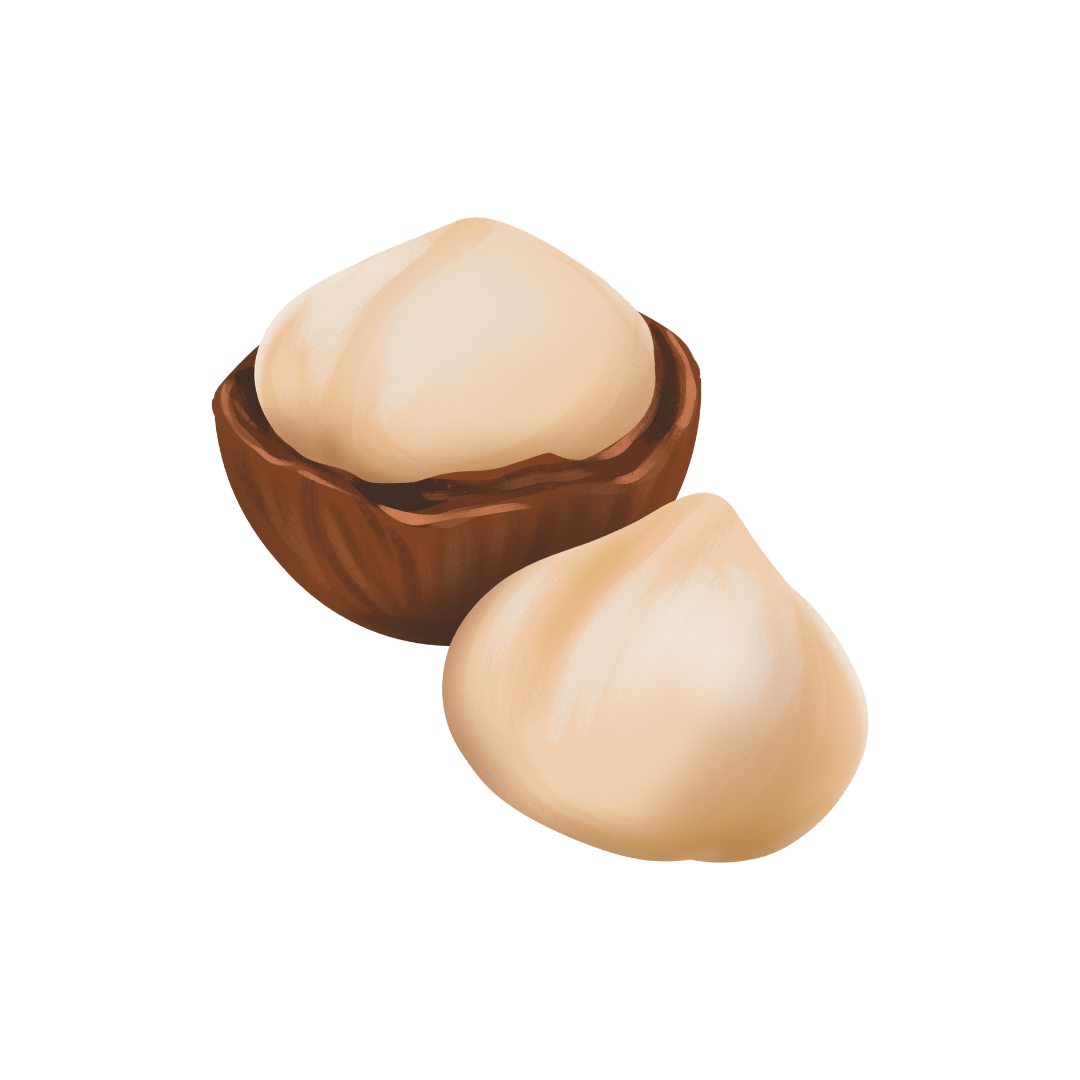
Macadamia Nuts
Like grapes and raisins, the exact toxin present is unknown, but these nuts can cause dire reactions within 12 hours of consumption.
Effects: Weakness, tremors, overheating, vomiting.
Salty & Fatty Foods
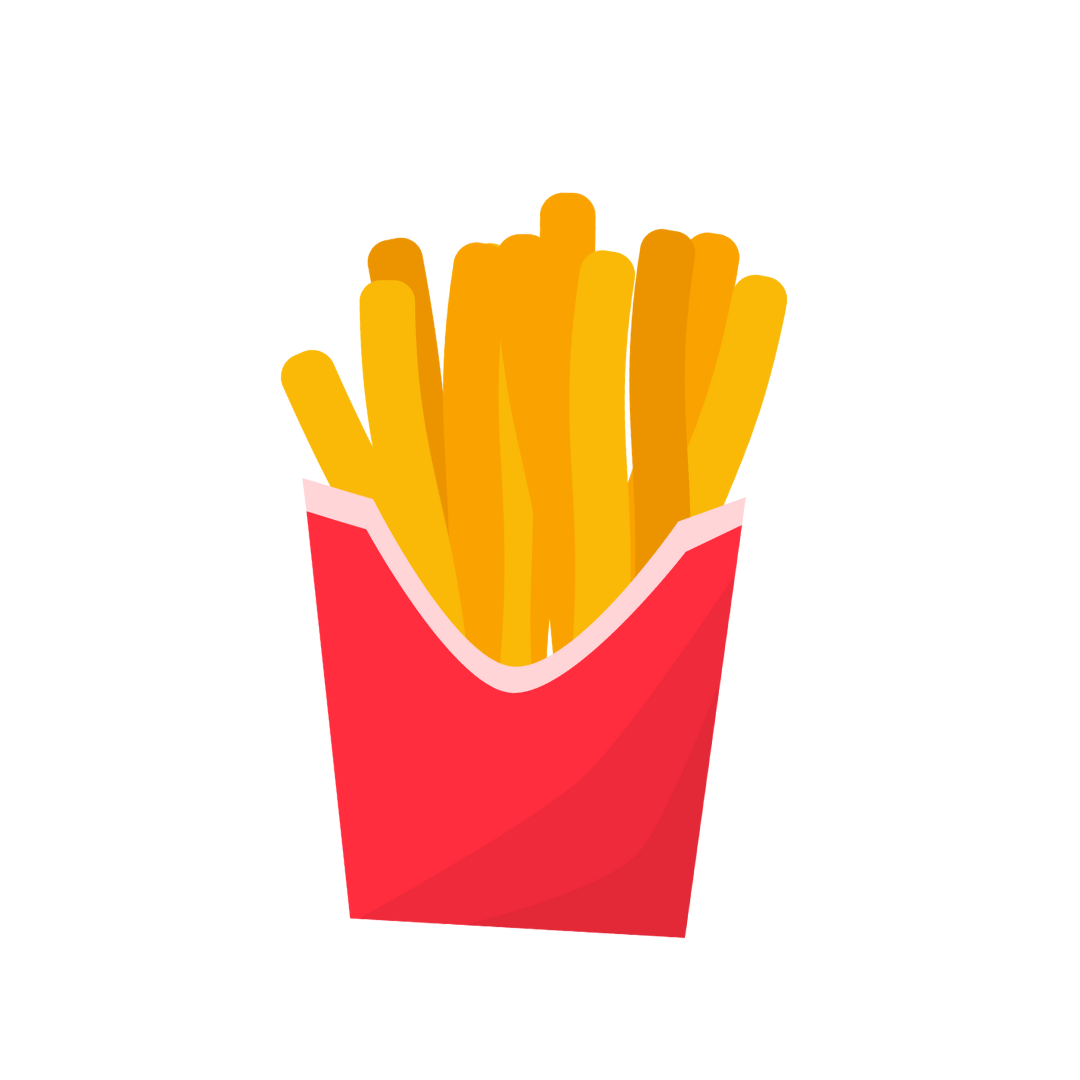
As much as we might love sharing a hot chippy with your pal who’s giving you ‘feed me’ eyes, it's actually not very good for them. This includes processed meats and gravy too.
Effects: Dehydration, sodium poisoning, pancreatitis.
Foods That Aren’t ‘Toxic’, But Still Risky
Some foods aren’t technically toxic but still can cause harm when consumed. The risk is dependent on the individual dog, overall health and the amount consumed.
Cooked bones (splintering)
Corn cobs (blockages)
Dairy (digestive upset)
High-fat leftovers
What to Do If a Dog Eats Something Toxic
Act immediately! Timing is everything.
Contact a veterinarian or emergency clinic.
Do not induce vomiting unless instructed.
Provide details. What was eaten, when, how much.
For groomers, encouraging early intervention can save a life.
Most toxic food incidents happen unintentionally, whether it’s out of love, habit or misinformation. Education is key, and if you’re not entirely sure… your best bet is to keep your lunch to yourself!
With love,
igroomhub
The blog is just the beginning
igroomhub is an industry membership built for the modern dog groomer - tutorials, masterclasses, business resources, industry discussion and a whole lot more.
You might also like




If your clients can't tell the difference between "we're closed" and "we're upset with you," that's not on them. That's a business with no system underneath the relationship.