Learning to Brush Your Dog at Home

Brushing your pet’s coat is not only a great way to keep them looking good, it’s actually an essential part of managing their overall health and comfort. Brushing removes tangles (it’s vital to de-tangle hair before mats form), dirt, dead hair, and also distributes the natural oils around the coat and skin.
It’s important to note that overbrushing can be harmful to your pet’s skin and coat, so you should seek advice from your groomer about how often, and for how long, you should be brushing your pet at home.
PRO TIP! We have detailed free DIY tutorials on brushing and combing available at igroomhub.com.au/diy
Good Equipment is Key
Poor equipment is often the reason pets aren’t receiving adequate brushing at home. Equipment that doesn’t suit your pet’s coat will be ineffective, and poor quality or damaged equipment will likely be painful, causing a bad reaction and leading many owners to give up entirely.
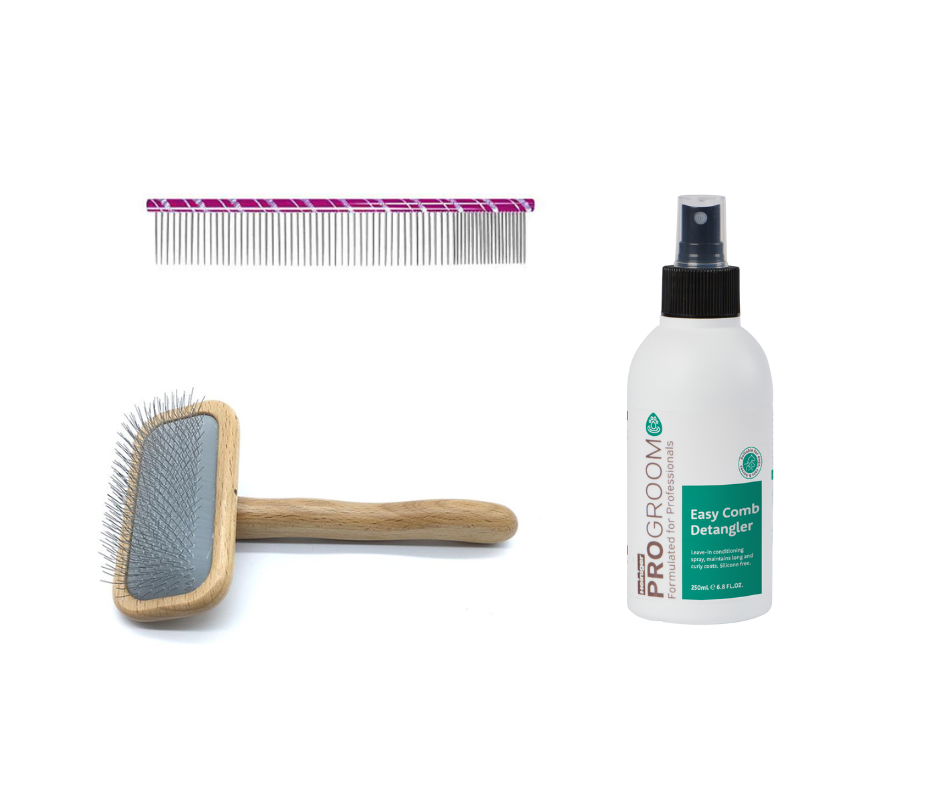
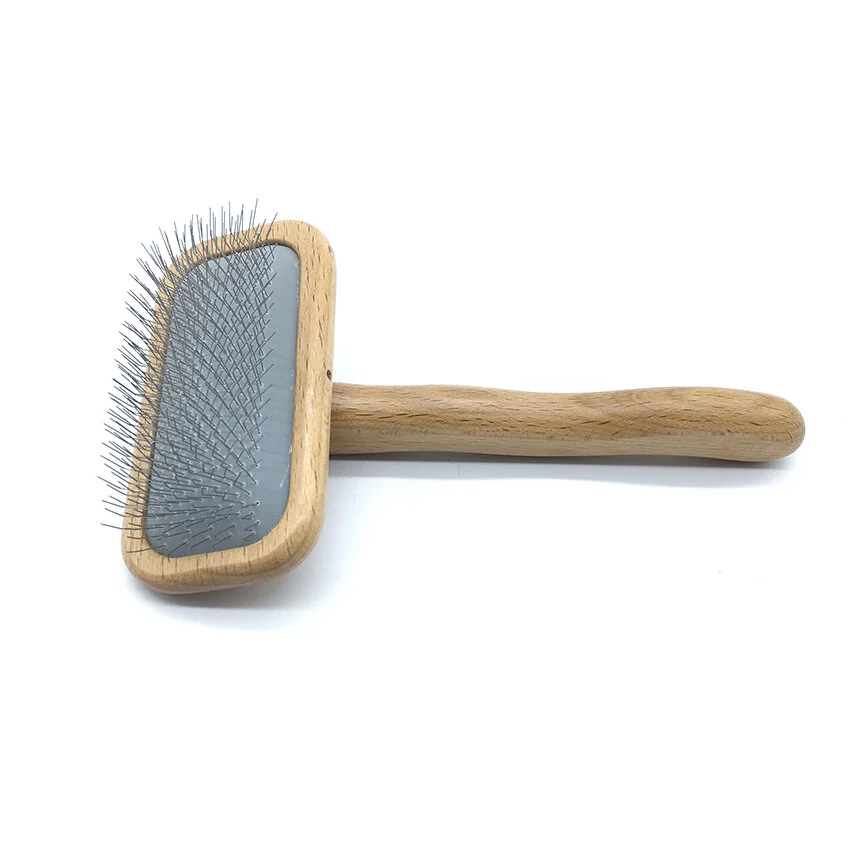
A gentle slicker brush is essential for basic grooming of most coat types. These brushes contain soft, short bent wires mounted in a firm rubber backing.
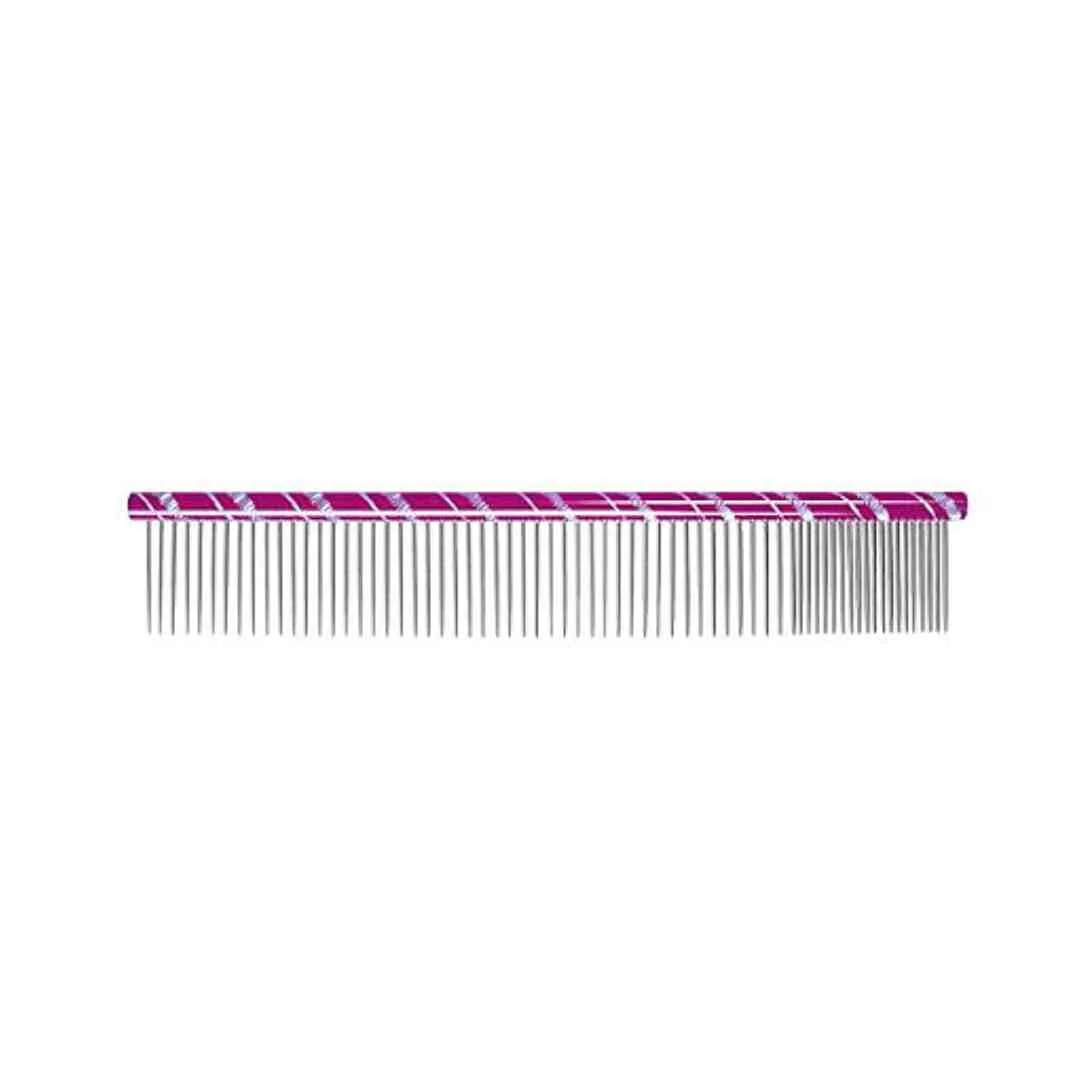
Another key tool, especially for pets with longer coats, is a good comb. A solid metal comb with a combination of wide and fine teeth suits most hair types.
Location, Location, Location
Having the right space to brush your pet at home is crucial. You want your pet to understand that grooming is important and taken seriously.
Avoid brushing in these spaces:
Where your pet sleeps - their safest space.
Where your pet plays - reserved for fun.
Where your pet eats - their reward space.
Where your pet goes to the toilet - some pets are particular!
Each of these areas is usually at ground level.
The best place to brush your pet is on a sturdy table, washing machine, or dryer. This elevated surface mimics what they’ll experience at the salon, keeps them in place, and protects your back. Always use a non-slip surface like a rubber mat, and never leave your pet unsupervised or out of arm’s reach.
For large dogs, brushing on the floor might be necessary. Try a small room like a laundry or bathroom to limit their movement. A mat or rug can help define the grooming area.
Be the Boss (Kindly!)
Before you start brushing, you need to be in boss-mode. Pets are cute, but they’re also cheeky! Stay calm, assertive, and consistent. Expect pushback—playful antics, wriggling, even protest—but remain firm and positive.
Ready, Set, Brush!
Once your space, tools, and mindset are ready, let your pet inspect the brush and comb first. Sniffing helps ease their curiosity or nerves. If they try to bite the tools, say a firm ‘no’ to discourage the behaviour.
Important Note: Never use a brush or any object to discipline your pet. If behaviour is an issue, speak to your vet or groomer.
Torso
Start with the slicker brush, working along the back and sides in the direction of hair growth. Rest your free hand on their chest to calm them. If they’re squirmy, stand near their rear and support them under the belly with your arm.
Head
Gently hold the head and brush the whiskers, ears, and top of the head. Move slowly near the face and eyes. A thumb and forefinger around the snout can help keep the head still. Ask your groomer to demonstrate.
Front Legs
Have your pet sit. Lift one leg using an open palm. Don’t over-stretch or hold too tightly.
Back Legs
Your pet should be standing. Support them under the belly or in the crotch area with your free hand.
Tail
Approach gently and brush from the base to the tip, following the direction of the hair.
Knots, Tangles, and Mats
Start by loosening knots with your fingers. Then use the comb to gently work through the section. Follow up with the slicker brush. Use detangling spray if needed, but avoid the eyes and nose. Severe matting should always be handled by your groomer.
The Alternative to Being the Boss
You can opt to keep your dog’s hair short to reduce brushing needs. This means more frequent and possibly more expensive grooms, so discuss with your groomer what’s best for you and your pet.
How Often Should My Dog Visit the Groomer?
Breed, coat type, hair density, climate, and your own home grooming routine all influence grooming frequency. Your professional groomer can help create the right schedule for your pet.
PROFESSIONAL TOOLS ARE AVAILABLE AT THE IGROOMHUB GROOMERS STORE
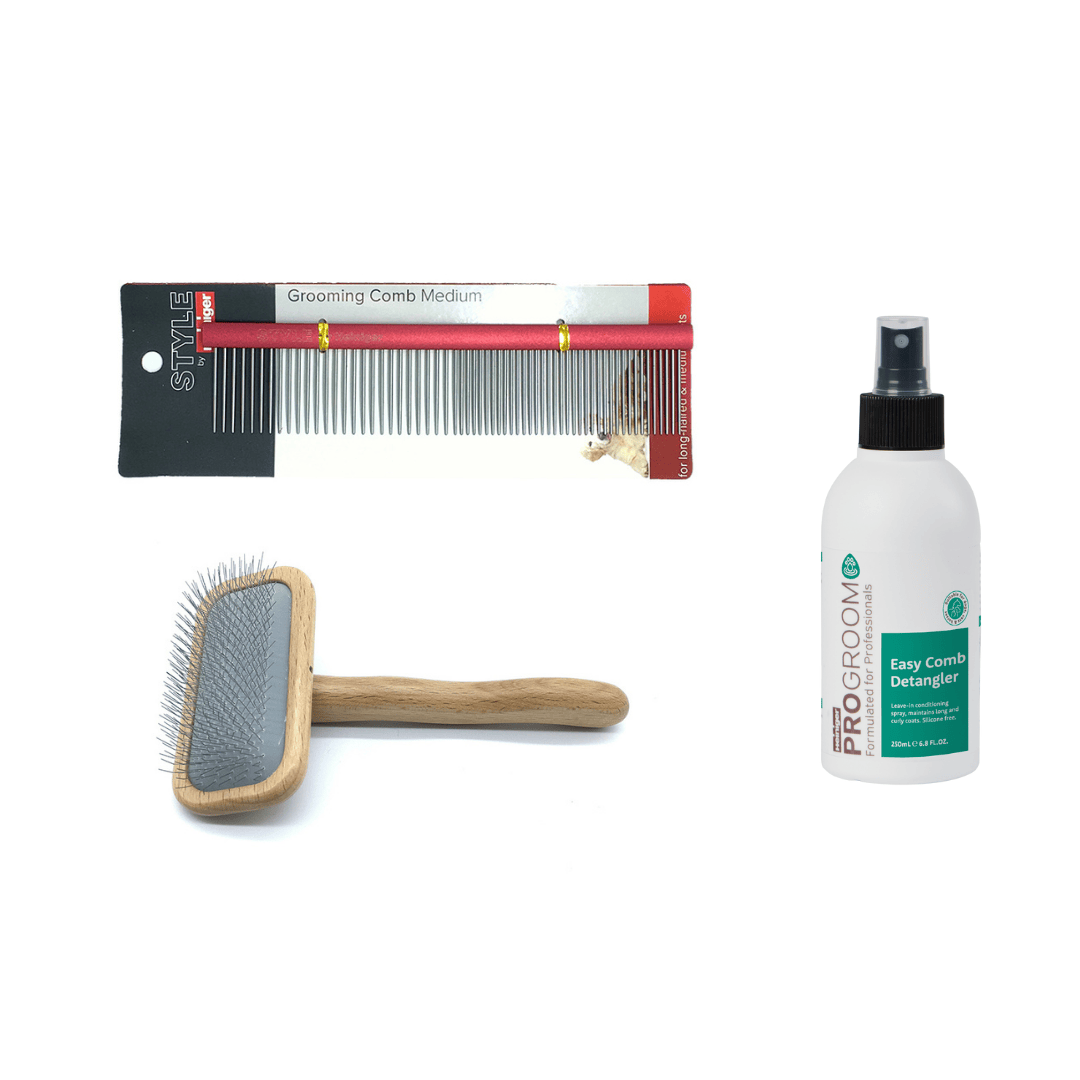
Everything you need to brush, comb, and detangle your dog at home. Perfect for puppies, mixed breeds, and any dog who needs regular coat care between grooms. These tools help keep the coat healthy, reduce knots, and make handling easier for your dog.
Want to learn the right way to brush and comb? Watch our free tutorials inside the DIY membership.
This kit contains:
• 1 x ProGroom Detangler Spray
• 1 x ProGroom Medium Slicker Brush
• 1 x ProGroom Steel Comb
RRP value: $62
Your price: $49