

The continental poodle trim, with the person who is quite literally Australia's poodle groomer
When Tiarne Perkiss moved out of home, the first thing she did was order a poodle. Her parents had never let her have one. She's been making up for lost time ever since - competing internationally with both Groom Team Australia and the Dogs Australia National Grooming Team, winning multiple Best in Show titles in both the grooming and show ring, crowned Australia's Groomer of the Year in 2023, and becoming, in her own words, the poodle groomer for Australia.
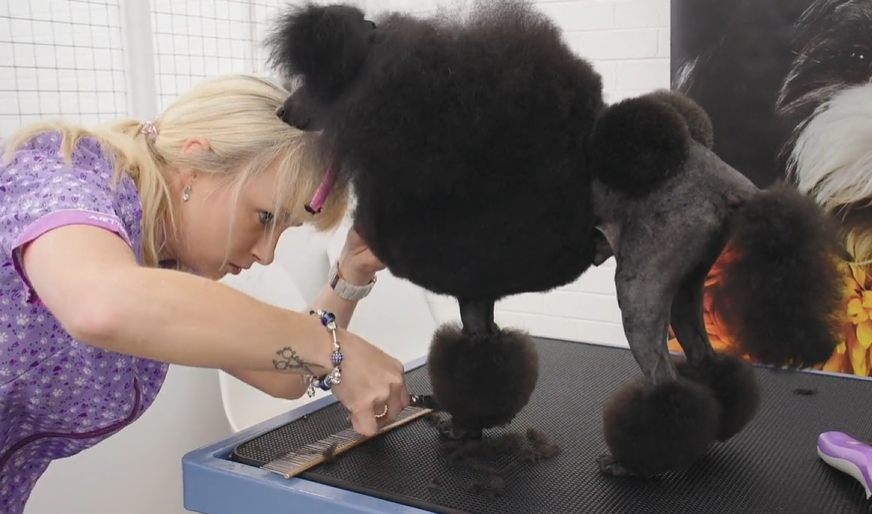
We are very lucky to have her. And we are very lucky that she brought Yaae with her.
Yaae is an eight-year-old toy poodle, an import from Spain, five years in Australia, and the model for one of the most technically complex grooms in the breed grooming world. The continental is a trim that takes years to understand and longer to master, and Tiarne walks through every decision out loud - which is exactly what makes watching her work so valuable.
Face and feet first, always
On a show or competition groom, Tiarne starts with the face and feet - not because it's the obvious place to start, but because those lines set everything else. Once you know where your face line sits and where your bracelets end, you can work out where your jacket goes, where your rosettes belong, and how to balance the whole dog. Get the face and feet wrong first and everything built on top of them is working against you.
On Yaae, Tiarne uses a 30 blade - because he's a show dog, used to it. On a pet, she wouldn't go shorter than a ten. The skin irritation risk on a dog that's not used to being clipped that short is real, and it's worth a conversation with owners before you pick up a blade.
The continental is a trim about placement
The most common mistake on continental trims is placement - rosettes too low, jacket walls in the wrong spot, bracelets set before the bevel is done, gaps too wide or too narrow. The gap between rosette and jacket on a toy poodle should be no more than a finger's width. The gap between rosettes about a pinky's width. These are not generous tolerances on a small dog, and Tiarne is methodical about getting them right - clipping a little, scissoring a little, stepping back, adjusting.
The poodle is a square breed, and every placement decision serves that squareness. A jacket set too far forward makes the dog look long. Rosettes hung too low make the dog look heavy. A bracelet with too much hair on one side makes a dog with perfectly straight hocks look cow hocked. The haircut can create faults that aren't there, or hide ones that are - and knowing which way you're cutting is the whole skill. Tiarne talks through all of it.
The spray up
The spray up on a show or competition poodle is its own discipline, and Tiarne treats it that way. She bands Yaae's top knot in two rows before anything else, wraps his ears to keep them out of the hairspray, and builds the spray up in layers - never combing hair that already has spray in it, always bringing clean hair into the sprayed section. The fan effect is built gradually. Rush it and the hair goes stringy.
She washes the spray out every night after competing. Every night, regardless of how many days the show runs. It's a small detail that tells you a lot about how she thinks - the trim is the result, but the coat underneath it is what makes the next trim possible.
What makes this tutorial worth watching
The continental is genuinely one of the hardest trims in grooming. Tiarne says it herself - the smaller the dog, the harder it gets. But what makes this tutorial so good isn't just the technique. It's the running commentary on why each decision is being made, what fault it's hiding or accentuating, and what to do when your lines aren't landing where you want them. It's built on years of international competition experience, and it shows. Have a go - as Tiarne says, you never fail when you try something new.
Tiarne's complete masterclass on Yaae is available to Members inside igroomhub, or you can rent it for six weeks on igroomschool.
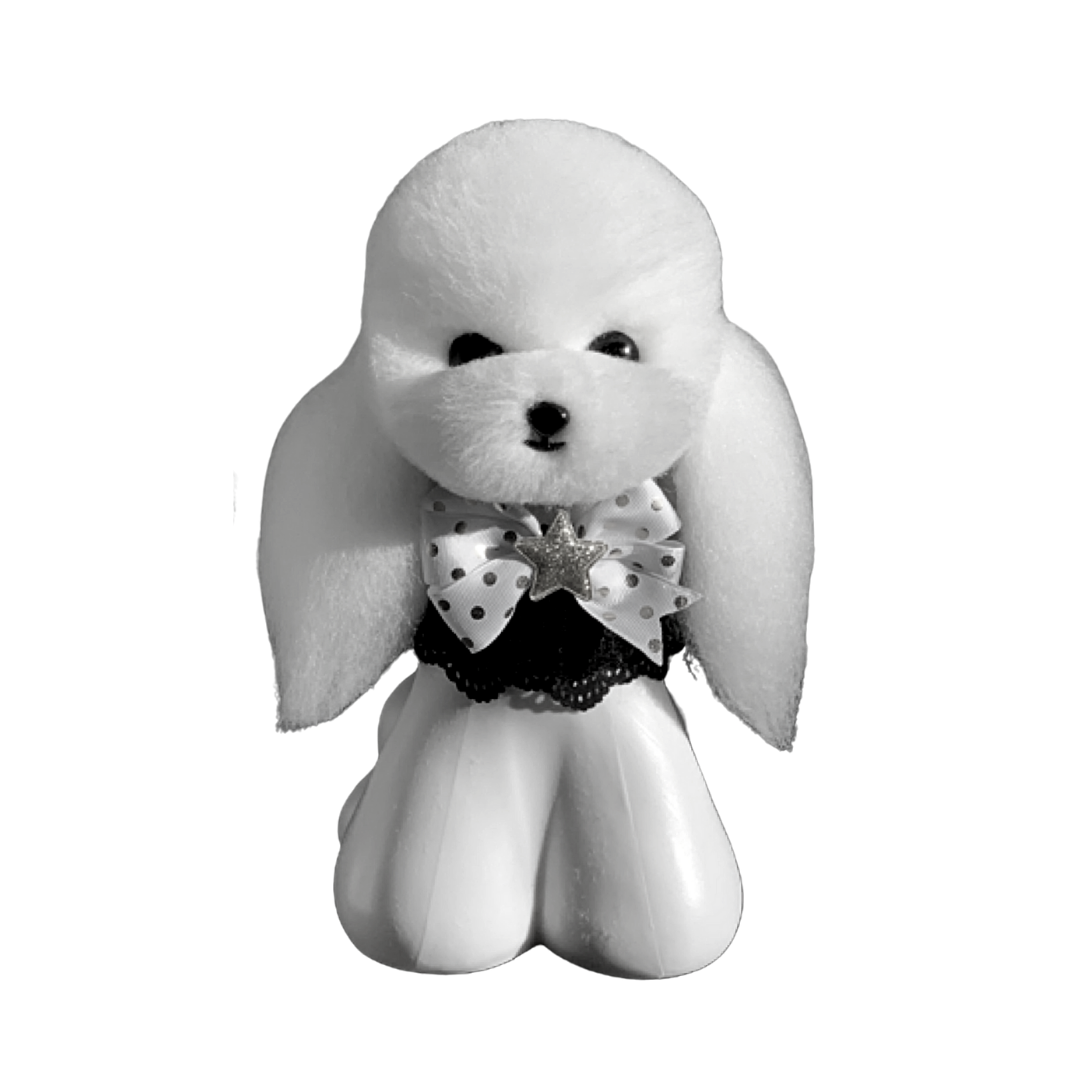


Theo is a toy poodle in a teddy bear style, and he is Michelle Weber's most posted dog. He gets puppuccinos. He falls asleep during his face groom. He sits on Michelle's table every six to eight weeks and goes home looking exactly like he did last time - which is precisely the point.