If you're not working a Norwich Terrier every three weeks, you're already behind
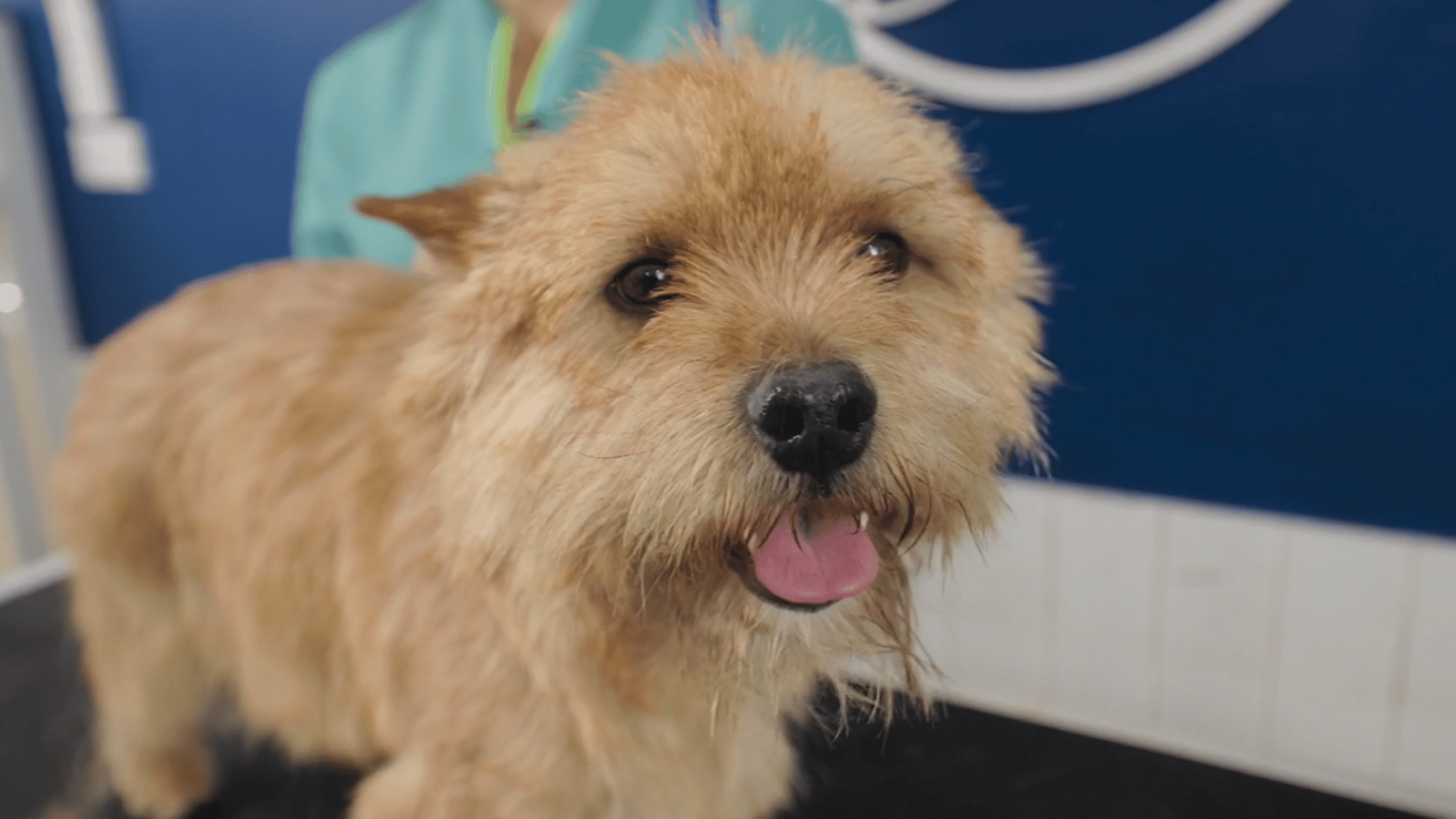
Franklin is an Australian Champion Norwich Terrier on a rolled coat. He comes in to Alicia Fragiadakis every three to four weeks, and every visit she removes just the top layer - nothing more. Not because she's being precious about it, but because that's how this coat works.
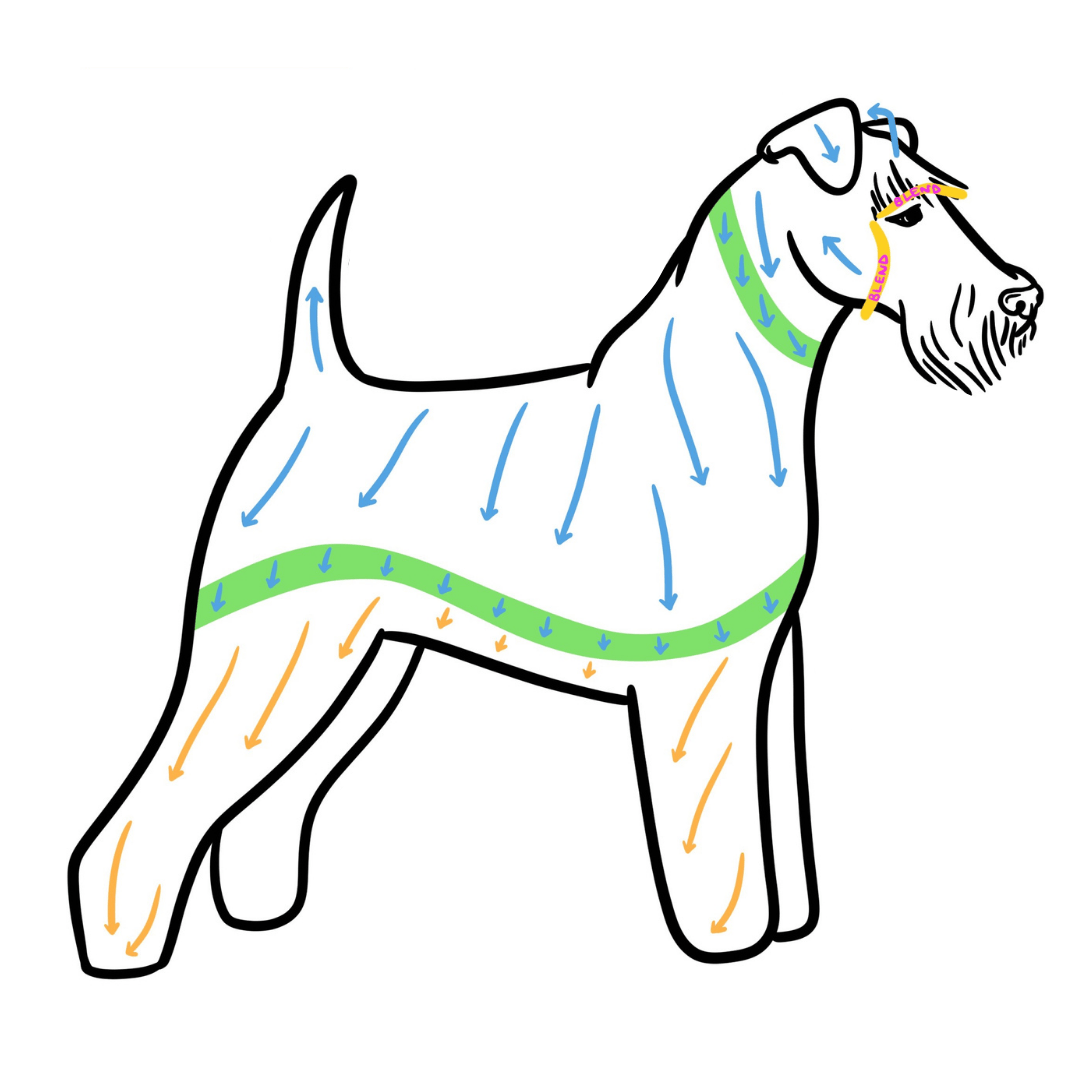
The rolled coat is a completely different mindset to a sculpted wire. With a wire fox or a Lakeland, you're building toward a finished result. With a Norwich on a roll, you're maintaining a system. The top layer comes off to expose the richer colour and tighter texture underneath, and to keep new coat growing through. Miss a few weeks and that system collapses. The coat blows, the colour fades, and you're back to square one - pulling the dog right down and waiting months to get back into show coat.
“If you leave these guys over four weeks without any work, they’re going to blow their coat. And then you’ve got to pull the dog right down and it takes a really long time to get back into show coat again.”
The colour problem with red wheaten coats
Franklin is red wheaten, which Alicia describes as the hardest colour to maintain in this breed. The outer coat is a deep, rich red. The coat underneath is significantly lighter. Every time you pick the top layer off correctly, you're revealing that darker colour. Every time you cut, skip a section, or let the coat blow, the pale undercoat starts showing through.
There's no hiding it on a wheaten dog the way you might get away with it on a black or a white coat. The scissor marks show. The unworked patches show. It's one of the reasons Alicia uses a stone on pick breeds rather than a knife - more control over which layer you're actually taking, less risk of breaking the coat or creating holes you can't fix without stripping everything down to the same length.
“You cannot cheat with these guys. Everyone will know. It’s not like on a black or a white dog.”
Coat length is a structural decision
Norwich Terriers are cobby - short back, square, compact. A lot of what Alicia does throughout this groom is think about how coat length affects that silhouette, and how easy it is to accidentally work against it.
Take too much off the underline and the dog starts to look racy and long in leg. Go too tight through the shoulders and you lose the prosternum - suddenly the body reads longer. Take the legs down too short and you're emphasising length rather than bone. These aren't abstract breed standard points; they're decisions you're making every time you pick up a stone on one of these dogs.
Franklin is a well-built dog, which gives Alicia some latitude. But even on him, she's leaving length through the neck to soften a developing roll at the withers, managing the rear according to his breeder's preference, and constantly asking whether what she's removing is going to help or hurt the overall picture.
The groom you do today is for three weeks from now
This is probably the most useful thing to take from watching Alicia work: hand stripping on a rolled coat is not about how the dog looks when it walks out. It's about what you're setting the coat up to do. The layer you preserve today is what gives you colour and texture at the next visit. The layer you remove today is what brings through a richer layer underneath it.
Alicia mentions this when talking about students she's taught who message her deflated after a groom, feeling like the dog looks worse than when it came in. Her advice: ask them to send a photo in two to three weeks. They always do, and they always feel better about it.
It's a different way of thinking about your work - and one that applies well beyond Norwich Terriers.
Alicia's full masterclass with Franklin is available to Members inside igroomhub, or you can rent it for six weeks on igroomschool.