Hands-On Is Only Half the Job
Technique matters. But so does what you notice, how you handle, and the calls you make.
Dog Grooming Is So Much More Than a Hands-On Skill
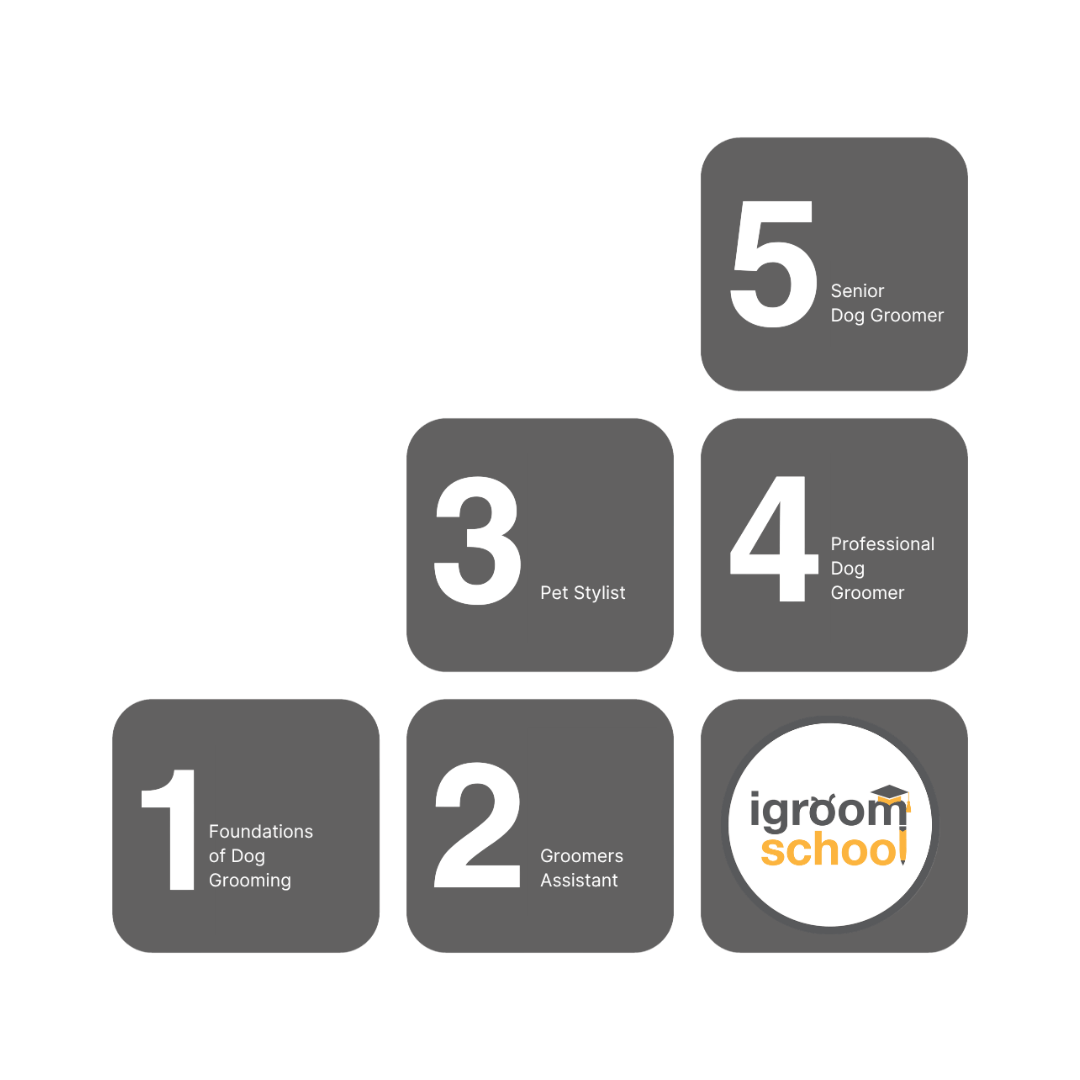
We’ve been working in grooming education for over 25 years, and we’ve seen the industry grow. We’ve also had a hand in shaping how it grows. From the early days of trial and error to the structured, multi-block education pathways we offer today, one thing has remained consistent: people still underestimate what grooming actually is.
Some still see it as a basic trade. A wash and haircut for a dog.
But professional grooming is so much more than that. And if we want the public to take this trade seriously, we need to take it seriously ourselves.
Because this job isn’t just about technique. It’s about timing, judgment, safety, communication, observation, and the ability to work with all kinds of dogs on all kinds of days.
Here’s what most people don’t see. And what every good groomer knows.
You’re Not Just Grooming. You’re Observing.
Before you touch the dog, you’re already watching. You’re assessing how they move, how they respond to new environments, whether they seem off physically or emotionally. Is that a limp? Is that tension? Is this dog going to need a break halfway through?
These are the silent signals that shape how you approach the groom. And you don’t learn to spot them by accident.
You learn to read dogs with confidence and care. You learn it through training.
You’re Expected to Know What’s Normal (and What Isn’t)
Groomers often see dogs more regularly than their vets do. That puts us in a unique position to notice changes - new lumps, sudden weight loss, a stinky ear, shifts in behaviour or body posture.
But you can’t spot a problem if you don’t know what healthy looks like. That means understanding basic anatomy, skin and coat function, parasites (internal and external), and the red flags that signal something’s not quite right.
We’re never allowed to diagnose. But we do need to recognise when something deserves attention.
Groomers Are Leaders in the Room
The dogs we groom are constantly looking to us for direction. Whether they’re anxious, excitable, stoic or scared, they’re watching us for cues. And we owe them leadership that is calm, confident and kind.
That kind of leadership doesn’t come from instinct alone. It comes from education and practice. It comes from knowing how to handle, how to soothe, and how to adapt when things don’t go to plan.
Yes, this can come with years of experience. But how many preventable mistakes are made along the way because foundational knowledge wasn’t there?
How many dogs get pushed too far, or misread entirely, because the groomer didn’t know what they didn’t know?
Handling Is Communication, Not Control
The best groomers don’t rely on brute force or rigid holds. They use their body positioning, their breath, their timing. They watch the dog’s eyes, the tail, the tension in the limbs. They adjust before escalation.
Handling isn’t about restraint. It’s about communication. The most skilled groomers speak fluent dog, even without saying a word.
That fluency starts with theory. Because until you understand how dogs think and process, your handling is guesswork.
WHS Is Part of the Job, Too
You can’t groom well if you’re injured.
Workplace health and safety is not just about ticking compliance boxes. It’s about protecting your back, your joints, your hands and your energy. It's about avoiding repetitive strain, using the right equipment, and creating a workspace that supports your body as much as it supports your work.
Learning how to look after dogs also means learning how to look after yourself.
Infection Control Isn’t Optional
Fleas. Ringworm. Giardia. Chemo patients. Elderly dogs with compromised immune systems.
Groomers come into contact with all of these, often in the same week. We are responsible for preventing the spread of disease and for creating a safe environment for every dog that walks through the door.
That means proper disinfection. That means knowing which dogs to isolate, when to say no, and how to keep yourself and your equipment clean and safe.
Clean isn’t just tidy. It’s essential.
Know Your Coat Types, Know Your Tools
Different coats require different approaches. Some should never be clipped. Others need regular de-shedding, or coat restoration techniques, or careful product selection to avoid damage to fur and or skin.
If you don’t understand coat type, you can’t make the right call on grooming methods. A clipper can’t fix a coat that’s been misunderstood.
This isn’t something you pick up from one demo. It’s something you study, test and apply with intention.
Bathing Is a Skill in Itself
It’s not just a step before the haircut. It’s where skin and coat health is maintained - or damaged.
The wrong water temperature, shampoo, drying technique or brush can cause irritation, breakage and long-term coat issues and even distress. You’re also assessing the skin up close, checking for parasites, infections or sensitivity.
Bathing isn’t just prep. It’s treatment. It’s restoration. It’s observation. It’s one of the most important parts of the groom.
You’re Also Working With Puppies, Seniors and Dogs With Extra Needs
Some dogs are scared. Some are sore. Some are young and wiggly. Some are very, very old.
You need to adapt your approach for each. That might mean changing the order of tasks, grooming in sections, working on the floor, or even splitting the groom across multiple sessions.
This adaptability isn’t just nice to have. It’s a duty of care. And it starts with understanding what the dog needs - not what the human booked in for.
Time Pressure Doesn’t Mean Rushing
Time management is part of being a professional groomer. It’s not just about being fast, it’s about working with a clear plan, a safe pace and realistic boundaries.
You need to know your systems, your process and how long things should take when they’re done properly.
That kind of efficiency takes experience - but it also takes training.
Communication Is Part of the Job
Groomers need to talk to people just as much as they talk to dogs. That means explaining the condition of the coat, setting realistic expectations, managing pricing conversations and knowing how to speak up when a dog isn’t coping.
Poor communication can ruin an otherwise great groom. Good communication builds trust, and often, long-term clients.
This is a skill that can be taught. And it should be.
Professionalism Means More Than Politeness
Professionalism isn’t about white shirts and logo hoodies. It’s about consistency, honesty and ethics. It’s about knowing your scope, respecting boundaries and delivering services that are safe, appropriate and informed.
If we want grooming to be seen as a profession, we need to treat it like one. That means standards, not shortcuts.
It’s Not Just About the Haircut
Groomers are carers, educators, observers and protectors. The best ones have sharp eyes, soft hands, strong ethics and a genuine commitment to doing what’s right for the dogs in their care.
But doing what’s right means knowing what you’re doing. Not guessing. Not copying what you saw in a Facebook group. Not relying on “it’s always worked before.”
You need a sound knowledge base to make the right calls in the moment, especially because the dog in front of you can’t tell you what’s wrong.
Groomers are the leaders in the room. The dogs are looking to us for calm, safe direction. And while experience absolutely teaches you a lot, it’s not the only way to learn. In fact, many of the mistakes groomers make early on, often without realising, are preventable. If you’ve been shown what to look for. If you’ve been taught the why behind the how.
The theory matters. It gives you context, clarity and confidence. And the dogs deserve that from us.
So yes, we trim nails and scissor legs and wash dirty dogs. But that’s only part of what we do.
Good grooming isn’t just about what happens on the table. It’s everything you bring to the table that counts.
QUICK FAQs FROM THIS ARTICLE
Is dog grooming just about technique?
No. Grooming also involves judgment, safety, communication, observation, and adapting to different dogs and situations.
Why do groomers need to observe dogs before grooming?
Observation helps groomers assess behaviour, health, and comfort levels before starting. It allows them to adapt handling and timing to each dog’s needs.
What health issues can groomers notice?
Because they see dogs regularly, groomers may notice lumps, weight loss, infections, parasites, or changes in behaviour. They don’t diagnose, but they do flag concerns.
Why is handling more than control?
Handling is communication. Skilled groomers use body language, timing, and positioning to work with dogs safely, without force.
Why does theory matter in dog grooming?
Theory provides the knowledge base behind handling, coat types, WHS, infection control, and communication. It ensures groomers make informed, safe decisions - not guesses.