

Graduated? Great. The Learning Doesn’t Stop There.
Graduating from a qualification is a meaningful milestone. You committed the time, learned the foundations, and met the required standards. That matters!
What graduation doesn’t mean is that you’re finished learning. In any industry, training can only provide so much. Its role is to give you structure, language, and a solid starting point, not to prepare you for every situation you’ll face across a long career.
That isn’t a failure of education! It’s simply how skill development works.
What training is designed to do
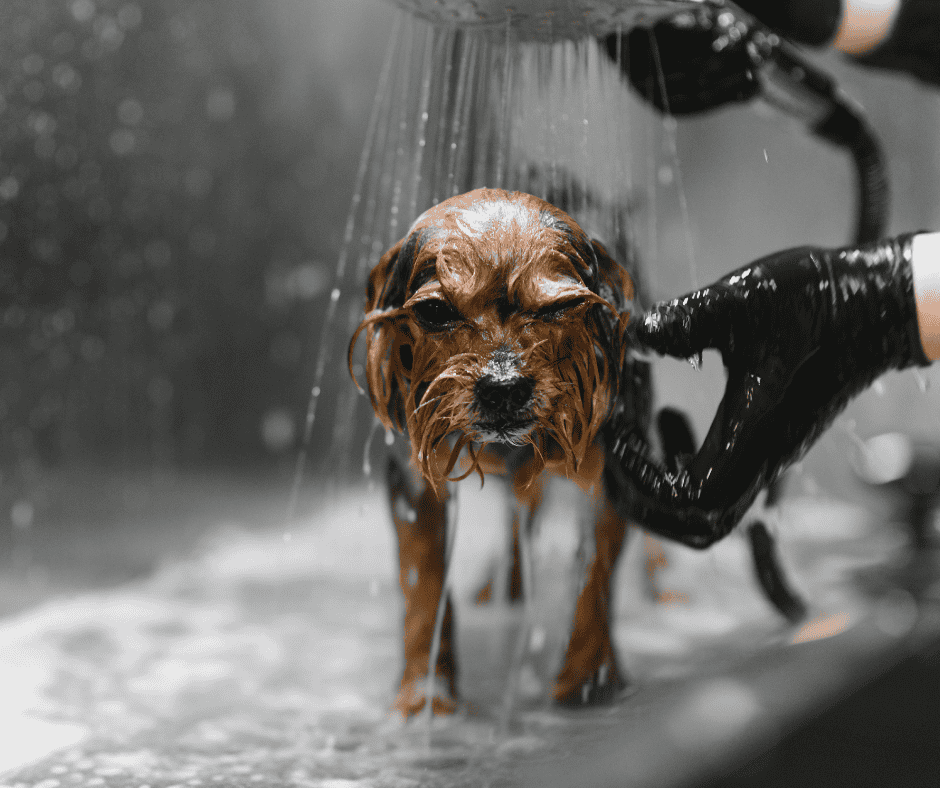
Good training focuses on foundations. It introduces best practice, safety, and core techniques. It teaches the principles behind the work, not just a set of steps, and helps prevent the most common early mistakes.
What training can’t do is expose you to every variation you’ll encounter once you’re working independently. Experience fills those gaps over time, supported by continued learning that helps you make sense of what you’re seeing and doing.
Training prepares you to keep learning. It doesn’t complete the process.
Why learning continues after graduation
The day you graduate, your qualification reflects your knowledge at that moment. From then on, things evolve! Tools change, techniques improve, and understanding deepens. Client expectations shift, safety standards update, and new information influences best practice.
Continuing education helps you stay current and confident as the industry moves forward. Without it, skills don’t disappear, but they can become outdated or less effective over time.
Why this matters so much in dog grooming
Ongoing learning matters in every profession, but it is particularly important in dog grooming because the work is shaped almost entirely by variables! (See also ‘There is no Going Rate for a Cocker Spaniel’)
Two dogs of the same breed can present very differently. Weight, age, health, coat condition, grooming history, and maintenance routines all affect how a groom should be approached. Some coats behave exactly as expected, while others reflect mixed heritage, damage, or growth patterns that only become clear once the groom is underway.
Coat type alone is rarely straightforward. Density, texture, growth cycle, matting, skin condition, and previous clip lengths all influence the tools, techniques, and time required. In many cases, a coat can’t be fully assessed until it is wet or partially prepared.
Behaviour adds another layer. A dog’s age, confidence, previous handling experiences, and comfort level on the day all shape what is possible. Safety, time management, and physical demands must be balanced continuously, often requiring adjustments mid-groom.
And then, owner expectations also vary widely. Some prioritise practicality, others have specific aesthetic goals, and many expect consistency even when the dog or circumstances have changed. Communicating clearly, managing expectations, and delivering a result that is appropriate for the dog are skills that develop over time.
No qualification can account for every combination of dog, coat, behaviour, and owner preference. Training provides a framework for decision-making. Ongoing education helps refine those decisions as experience grows.
How learning changes once you’re working
After graduation, learning becomes more focused and practical. Instead of broad theory, it centres on the situations you encounter regularly. You may revisit fundamentals, explore specialist topics, or learn alternative techniques that better suit your style, your body, or the dogs in your care.
This type of learning works alongside experience rather than sitting apart from it. It supports better judgement, adaptability, and confidence over time.
Building a sustainable career
Professionals who maintain long, healthy careers tend to stay curious. They continue refining their skills, respond to changes in the industry, and remain open to learning rather than relying solely on what they were taught at the beginning.
Ongoing education helps prevent stagnation, supports better outcomes for dogs, and allows groomers to adapt their work as their circumstances change.
Why professional development is essential
Ongoing professional development isn’t optional in dog grooming. The work keeps changing, and so do the problems we’re asked to solve. We’re constantly paying attention to what groomers are running into most often and building education to meet those needs, whether that’s through new tutorials, updated resources, or full courses designed to support professional dog grooming.
Your qualification opened the door. Continuing education is what allows you to keep growing once you’re through it.
What to do next
If you’re looking to continue building your skills, you can explore our professional development courses here. If you’re feeling a bit stuck or would benefit from a more guided pathway, you can apply for our Direct Entry Exam to work towards Block 5: Senior Dog Groomer certification. Or grab yourself a good ole fashioned igroomhub Membership, for a whole library of easily searchable tutorials and info at your fingertips.

If your clients can't tell the difference between "we're closed" and "we're upset with you," that's not on them. That's a business with no system underneath the relationship.