


CHALLENGING SITUATIONS
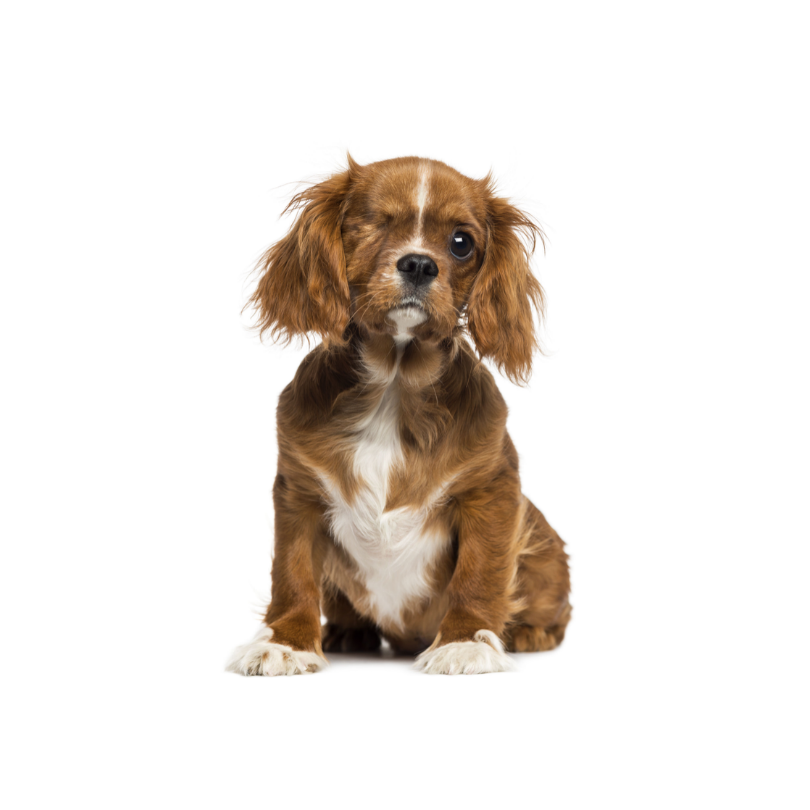
Compromised Dogs
Not every dog arrives for grooming in good health or with the physical ability to manage a conventional appointment. Injuries, illness, reduced vision or hearing, and other health concerns can affect how a dog responds to handling, equipment and the grooming environment.
These dogs may need additional support, changes to their usual grooming routine or a different approach altogether. Understanding their individual circumstances, communicating with their owners and recognising when veterinary advice is needed are essential parts of providing appropriate care.
Injuries
Dogs recovering from injuries may have restricted movement, pain, fatigue or medical equipment such as casts and bandages that require particular care.
Before proceeding with grooming, establish the nature of the injury, any veterinary restrictions and whether the dog is medically fit for the proposed appointment. Some procedures may need to be postponed until the dog has recovered sufficiently.
Where grooming is appropriate, consider how the appointment can be adapted. This might involve omitting the bath, avoiding particular areas, providing additional physical support or working with a second groomer. A shorter maintenance trim may be more suitable than a complete breed-style groom.
Observe the dog's responses throughout. Changes in posture, muscle trembling, attempts to move away or increasing restlessness may indicate discomfort or fatigue. These are reasons to reassess the procedure, offer a break or end the appointment.
The aim is to maintain the dog's hygiene and comfort without interfering with its recovery.
Grooming Around an Injury
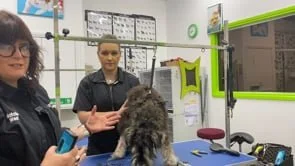
Seven-month-old Miniature Schnauzer Willie Nelson arrives for his first full haircut while recovering from a broken hind leg. Nat and Tay adapt his appointment by omitting the bath, providing additional support and working together to reduce the physical demands of grooming.
As Willie becomes tired, Nat discusses recognising signs of fatigue, adjusting expectations and prioritising his comfort over achieving a perfect Schnauzer trim.
This demonstration shows an individual approach to a challenging appointment. Dogs with recent fractures or other significant injuries should only be groomed when appropriate veterinary clearance has been obtained and any handling restrictions are understood.
-
Groomers are often in a position to notice changes in a dog's eyes or the surrounding skin and coat. Cloudiness, redness, excessive discharge, squinting, rubbing at the eyes or reluctance to have the face handled may indicate an underlying problem.
These changes should not automatically be attributed to ageing. Conditions such as cataracts, dry eye and corneal disease can affect dogs of different ages, and some eye problems require urgent treatment.
We cannot diagnose these conditions by appearance alone, but we can recognise concerning changes, communicate them to the owner and recommend veterinary assessment.
-
Keratoconjunctivitis sicca (KCS), commonly known as dry eye, occurs when the eyes do not produce sufficient tears to maintain a healthy, lubricated surface.
Tears help protect the cornea, remove debris and maintain eye comfort. Reduced tear production can lead to irritation, inflammation, thick discharge and damage to the cornea. Without appropriate treatment, KCS can threaten a dog's vision.
Dogs with KCS may have persistent discharge, redness or signs of discomfort. Treatment is managed by a veterinarian and may include medication to stimulate tear production, lubrication and other measures depending on the individual dog.
-
Dogs with irritated or painful eyes may be particularly uncomfortable with face washing, brushing and trimming. Adapt the grooming process to avoid unnecessary pressure, friction or contact with the affected area.
Where routine cleaning is appropriate, gently soften discharge on the surrounding coat using a clean, damp cloth or cotton pad. Avoid rubbing the eye itself or attempting to flush a painful or abnormal-looking eye without veterinary direction.
Take particular care to prevent shampoo, loose hair and clipping debris from entering the eyes. Fine clipped hairs can cause irritation, particularly when the eye's natural protective mechanisms are compromised.
Use separate clean materials for each eye, and avoid applying products near the eyes unless they are suitable for that purpose.
If an eye appears painful, cloudy, inflamed or unusually discharging, postpone grooming around the affected area and recommend prompt veterinary assessment. Suspected eye injuries or corneal ulcers require urgent veterinary attention.
Working with Dogs with Vision Loss
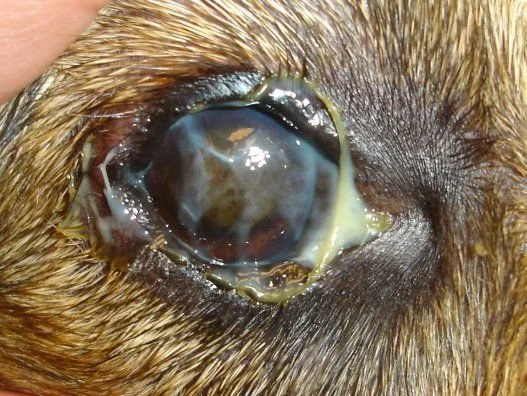
Keratoconjunctivitis sicca
image source: https://halifaxvet.co.nz/dry-eye-dogs/dog-kcs/
Working with Dogs with Hearing Loss
Dogs with reduced hearing or deafness may not hear us approaching, calling their name or turning on grooming equipment. This can make unexpected touch or movement particularly startling, especially in an unfamiliar environment.
Approach where the dog can see you whenever possible, allowing them time to recognise your presence before handling. Gentle visual cues and predictable movements can help the dog understand what is happening.
Some dogs may respond well to a light, consistent touch cue to indicate that handling is about to begin, provided this has been introduced positively and the dog is comfortable with it. Avoid surprising a sleeping or distracted dog with sudden physical contact.
Remember that hearing loss does not necessarily mean a dog is unaffected by grooming equipment. They may still experience vibrations, airflow and other sensations that are unfamiliar or uncomfortable.
Take additional care when moving around the dog's head, changing its position or introducing equipment outside its field of vision. Allow opportunities for the dog to orient itself and respond before continuing.
Owners may have established visual signals, touch cues or routines that help their dog feel secure. Ask about these before the appointment and use them consistently where possible.
Dogs with hearing loss can continue to enjoy grooming. The important consideration is adapting our communication and handling so the dog can anticipate what is happening and remain comfortable throughout the process.
Dogs with reduced vision or blindness may find unfamiliar grooming environments difficult to navigate. Some adapt remarkably well, particularly when they are familiar with their groomer and surroundings, while others may become uncertain or startled when they cannot anticipate what is happening around them.
Keep the grooming environment predictable, provide secure, non-slip footing and avoid unnecessary changes to equipment placement. Approach calmly, using gentle verbal cues where appropriate, and allow the dog time to recognise your presence before touching or repositioning them.
Be especially careful around the head and face. Dogs with limited vision may be more sensitive to unexpected handling, and some may also have painful eye conditions that affect their tolerance.
