Displacement Behaviour in Dogs
Have you ever asked a dog to sit, and instead they yawned, began to scratch themselves silly or started sniffing the floor like it contained state secrets?
Congratulations! You’ve just witnessed displacement behaviour.
No, your dog is not ignoring you out of spite. They’re not being dramatic (well… not only dramatic). They’re communicating… in dog language. (Well, dog language with jazz hands.)
What Is Displacement Behaviour?
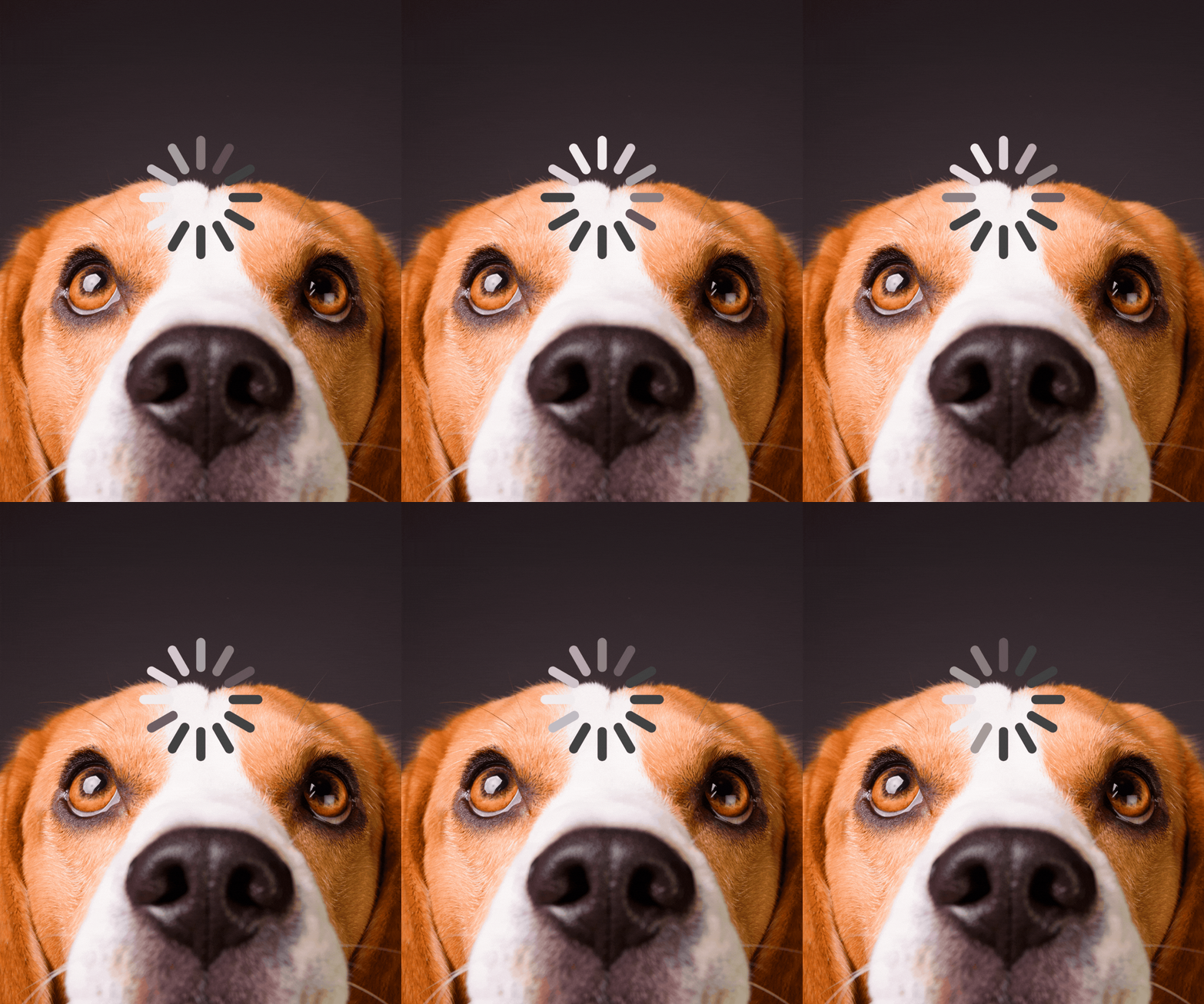
The Beagle is loading
Displacement behaviours are normal behaviours performed out of context when a dog feels conflicted, stressed, unsure, or overwhelmed.
Think of it as your dog’s version of “I have no idea what to do with my feelings right now, so I’ll just… lick my privates.”
Dogs use displacement behaviours to release tension or avoid confrontation. It’s essentially emotional Wi-Fi buffering.
Common Displacement Behaviours
Here are some classic doggy displacement moves:
Yawning (Not Because They’re Bored of You… Probably)
Not because they’re bored of you… probably.
Dogs yawn when stressed, confused, or trying to calm themselves.
Yes, they can be tired too, but that big theatrical yawn during obedience training? That’s emotional processing.
Scratching or Licking
Their sudden urge to scratch or groom themselves when given a command is basically doggy procrastination, only it’s dressed up as disobedience.
Sniffing the Ground
Sniffing is calming, so dogs use it when they’re unsure or overwhelmed. Picture them saying: “I hear your cue, but this patch of grass smells like my emotional support soil.”
Shaking Off
No water, no mud, just vibes.
This is a stress release reset button and we think that humans should try this one too, after all it was Taylor Swift who famously ordered us all to “shake it off”.
Play Bowing or Zoomies at the Worst Possible Time
Yes, sometimes dogs respond to pressure by inviting play. Because nothing says “I’m uncomfortable” like a surprise parkour session.
Why Do Dogs Do Displacement Behaviours?
Dogs use displacement behaviours when they feel:
Confused
Frustrated
Anxious
Overstimulated
Torn between two choices (e.g., “I want the treat but that groomer is holding nail clippers”)
Displacement Behaviour in the Grooming Salon
Groomers see displacement behaviours daily, and often right before a dog decides to audition for Cirque du Soleil on the grooming table.
Common grooming-related displacement behaviours include:
Excessive licking or nibbling paws
Sniffing of the grooming table or tools
Turning the head away dramatically
Scratching at nothing
Shaking off between steps
Suddenly discovering their tail exists and must be investigated
These behaviours are early stress signals. They’re your dog whispering before they shout.
Why Groomers and Owners Should Care
Displacement behaviours are valuable communication tools.
They often appear before more obvious stress signs like growling, snapping, or attempting to exit the salon via the ceiling.
Recognising them allows you to:
Slow down
Give breaks
Adjust handling
Prevent escalation
Look like a dog-whispering wizard to clients
What Should You Do When You See Displacement Behaviour?
1. Pause and Assess
Ask yourself:
Is the dog confused?
Is this too much too fast?
Do they need a break, reward, or clearer instruction?
2. Reduce Pressure
Lower your criteria
Ask for easier behaviours.
Give them a moment to decompress.
3. Use Positive Reinforcement
Reward calm behaviours.
Make the environment predictable and safe.
Become the human equivalent of a weighted blanket.
Final Thoughts: Dogs Are Emotional Noodles
Displacement behaviours don’t mean your dog is stubborn, naughty, or plotting your downfall. They mean your dog is thinking, feeling, and coping in the only way they know how.
So next time your dog scratches their ear when asked to sit, remember:
They’re not ignoring you - they’re just processing life.
And possibly pretending they didn’t hear you.