Just Get a Job as a Bather? Why That Advice Isn’t Helping Our Industry Anymore
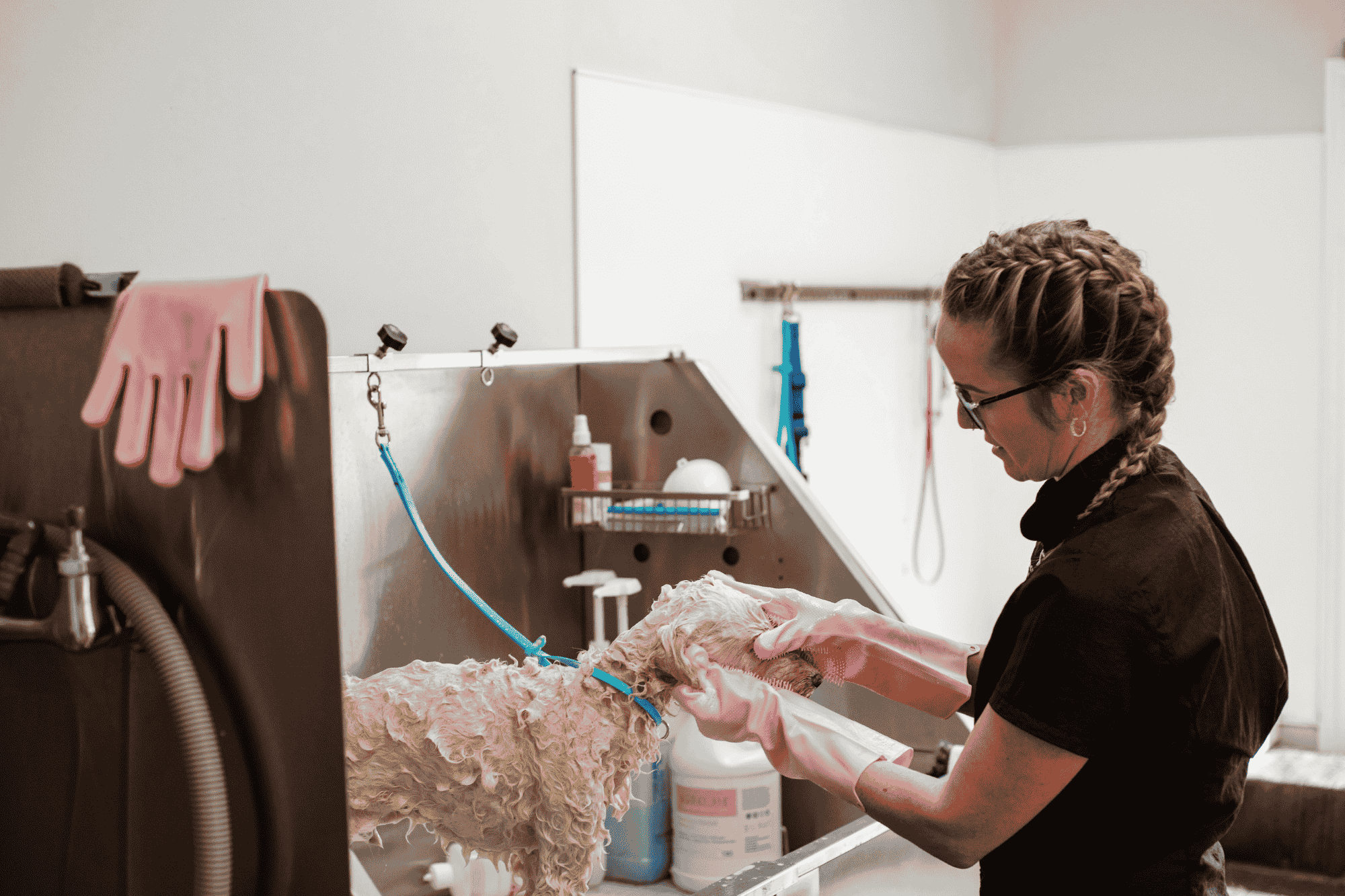
You’ve seen it before. Someone jumps into a Facebook group and asks for recommendations on where to study dog grooming. Maybe they’re keen to change careers, or they’ve always loved animals and want to do things properly. And then, bam. The comments start rolling in.
“It’s a hands-on job. Don’t waste your money on courses.”
“Just get a job as a bather and work your way up. That’s the best way to learn.”
“I never studied and I’m doing fine.”
That advice might be coming from a well-meaning place, but it’s not doing anyone - dogs, clients, or the groomer themselves - any favours.
Bathing Isn’t a Substitute for Education
Starting as a bather is a fantastic entry point. No argument there. Everyone needs to walk before they can run. But being handed a hose and told to “watch and learn” doesn’t teach you how to read dog body language, understand coat growth cycles, or know the difference between safe restraint and a lawsuit waiting to happen.
Here Are a Few Things You're Not Just Going to Pick Up by Accident in a Busy Grooming Workspace
Grooming isn’t just dip, clip, and snip anymore. The job has come a long way, and it’s too important to skip the concepts that protect both dogs and groomers.
How to safely use grooming restraints without risking injury or stress
Tools - which brush does what?
What the different coat types are, and how coat types affect technique
Dog anatomy - how do they move? How do you manoeuvre them safely?
How to identify zoonotic risks and maintain salon hygiene (not just wiping the table)
The difference between fear-based and cooperative handling
Proper tool care and storage to stop your scissors from going blunt in a week
How to recognise and respond to a dog’s body language before it escalates
Breed group basics - so you know whether you’re working with a Terrier or a Toy, and how group characteristics and instincts can influence behaviour
How the grooming room should actually be set up to prevent accidents and strain, and how to move your body to reduce risk of injury to both you and the dog
How to recognise internal and external parasites - and what to do when you spot them
Basic first aid principles so you’re not panicking when something goes wrong
This is baseline knowledge. It’s what sets up new groomers to work safely, ethically, and confidently. You don’t get this from someone yelling instructions over a dryer.
Client Expectations Are Changing
Pet owners today are more informed and more demanding. They expect groomers to understand skin health, coat care, behaviour, and breed styling, not just how to make their dog smell nice. Proper training isn’t just about safety. It’s about meeting modern client expectations and running a business that can thrive long term.
Knowledge is power. When you can confidently explain to a client why you can or can’t do something for Fluffy, whether it’s due to skin condition, coat health, or behaviour, you earn respect. You justify the price you charge. And you create a culture of holistic pet care service, one that values animal wellbeing, professional knowledge, and clear communication, not just cute haircuts at any cost.
The Problem with “Just Figure It Out”
This approach relies entirely on who you happen to work under. And not everyone in the industry is a great teacher. Or patient. Or even particularly skilled. This isn’t about being snobby. It’s about stopping the cycle of blind leading the blind.
“Learning on the job” only works when it’s backed by solid theory and good support. Otherwise, it’s just guesswork. And dogs deserve better than guesswork.
Learning Theory Doesn’t Slow You Down, It Speeds Things Up
Some people worry that studying will hold them back from getting “real” experience. But the truth is, just a little background knowledge makes your hands-on learning faster, safer, and way more effective.
When you understand how certain shampoo ingredients can irritate sensitive skin, or why a stressed dog keeps lunging at the dryer, suddenly, you’re not just following instructions. You get it.
Theoretical knowledge doesn’t replace practical skills. It supports them. And that foundation means new groomers can build confidence quickly, handle dogs more calmly, and spot risks before they turn into problems.
Raising the Bar Isn’t Elitist. It’s Necessary.
A proper education can come in many forms. It might be a full-time course, structured theory alongside hands-on training, or learning on the job with real guidance and support. But no matter the path, solid foundations matter. Watching others and winging it just isn’t enough - and learning everything from one person means you only ever know what they know, mistakes and all.
When groomers start with solid foundations, not just shampoo bottles and crossed fingers, the whole industry gets stronger. That means fewer accidents, better grooms, happier dogs, and way less burnout.
So Next Time You See That Comment…
Feel free to speak up. Or send them this blog. Because no, we’re not going backwards. We’re not here to keep doing things the hard way just because that’s how it’s always been done. We’re here to move the industry forward. Not just for ourselves, but for every dog on the table, and every groomer stepping up to do better.
Don’t Just Learn On the Job. Learn What the Job Actually Is.
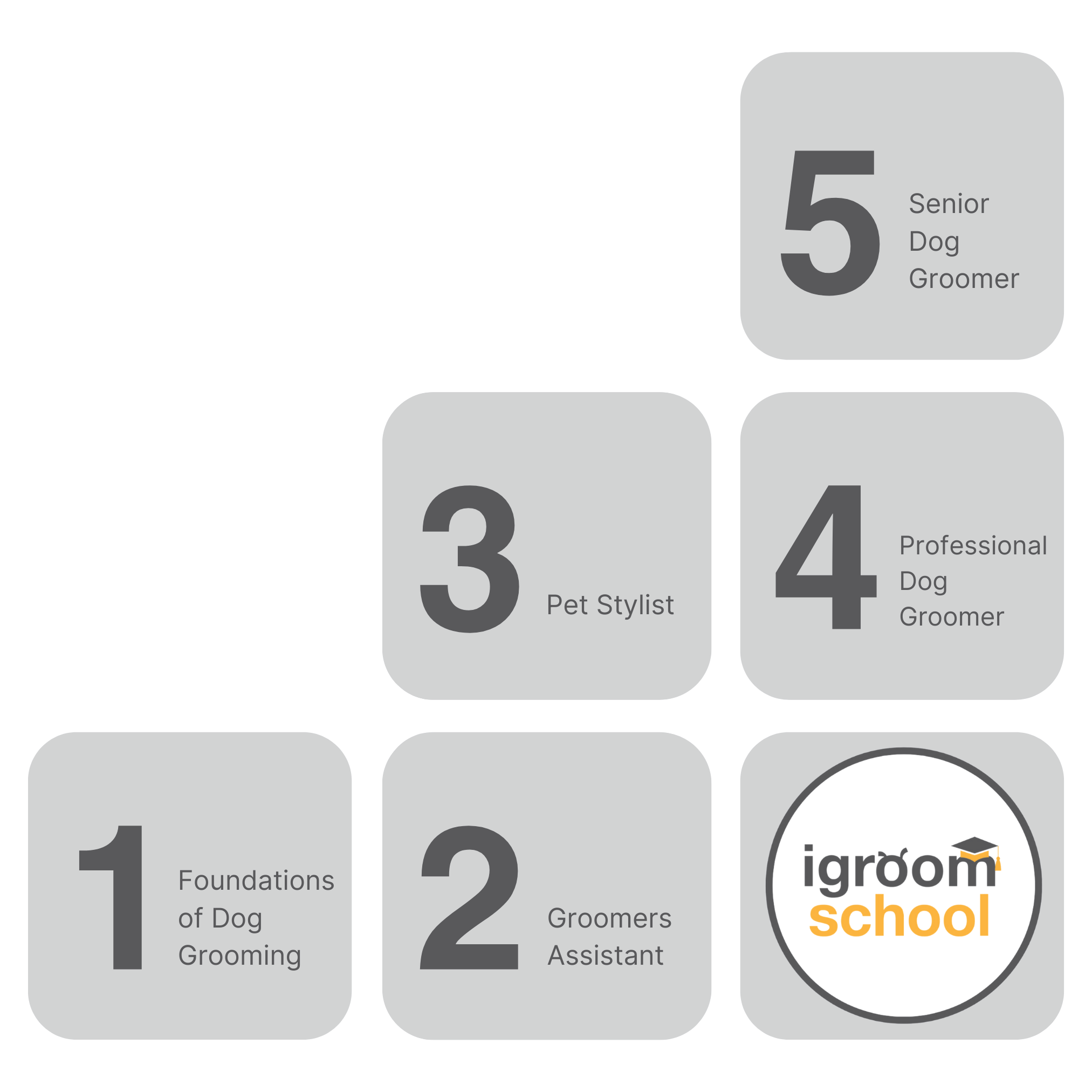
Our Theory Blocks are designed to give groomers the essential knowledge they won’t get from just bathing and hoping for the best. From dog behaviour and safety to tools, coat types, anatomy, and hygiene - it’s the stuff that builds confident, capable professionals.
Available as a flexible subscription for grooming businesses
Or purchase individually if you're going it alone and your workplace isn’t offering formal training
Whether you're learning on the job or mentoring someone who is, these structured theory courses give you the foundation to do it right.