

We Weren’t Taught This: How Dog Grooming Education Has Changed
BY NATALIE WEST
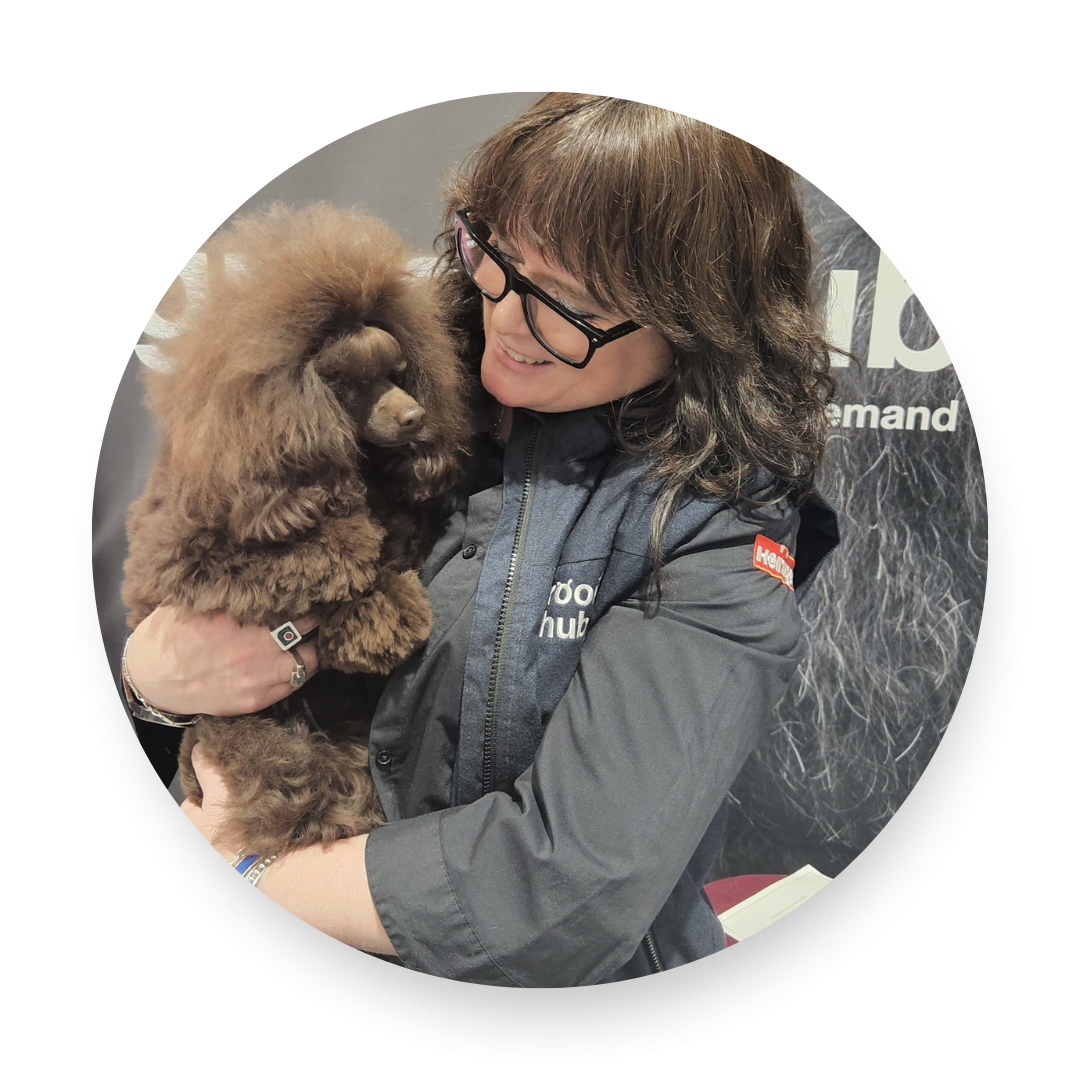
I've been grooming for about 35 years now, which is a slightly terrifying thing to say out loud, and when I look back at how I learned to groom, we did things so differently.
I had a brilliant trainer. She was very strict on scissoring, very strict on the technical side of things and on getting breed-specific dogs looking the way they should. I learned a huge amount from her and I still hold her in the highest esteem. But when I think about what I learned about dog behaviour, it was really very minimal. Behaviour simply wasn't a big part of dog grooming education then. The focus was on learning the skills and getting the dogs groomed.
You have to remember, there weren't that many groomers around then either. We had to work hard, we had to pick up our skills pretty quickly and the dogs were quite different. We saw far more purebred dogs than the mix of dogs we see now. It was just a different time in grooming.
I remember towards the end of my own training watching another student struggling with a senior Shih Tzu. We really were allowed to go through the motions of getting bitten, dealing with it and continuing the groom. That's what we did back then. If a dog bit, you might put a muzzle on and you got on with it.
Looking back now, was that ideal? No. But I'm certainly not having a dig at my trainer when I say that. She was fantastic at her job. There really wasn't the understanding of behaviour within grooming that we have now, and things change and evolve.
After I finished training, I went out and worked. I groomed in different environments, including vet clinics and pet stores, and eventually opened my own business, Doggy Dooz. It was after I'd been running my business for a while that I realised I had a problem: I needed more skilled groomers and there simply weren't enough of them. That's what eventually led me into training.
And grooming was incredibly busy in those days. We had clients ringing us saying their dog desperately needed grooming, that they may die of heat exhaustion if not groomed immediately. We saw dogs that were matted, flea-ridden and badly in need of care, and there weren't enough groomers to meet the demand. So of course, a huge part of training was about developing the skills people needed to groom those dogs safely and competently.
But over the years you learn, don't you? You listen to people, you watch what's happening in the grooming room, you look at the dogs and you keep asking yourself what you could do better.
At Dog Diversity we listen very closely to what graduating students tell us. One thing that comes up again and again is that people don't realise how hard the dog side of dog grooming can be. They expect learning to clip and scissor to be difficult, but then they're faced with actually handling dogs, reading them, understanding them, not being frightened when a dog reacts, and knowing what to do once they're out working without a trainer standing beside them.
I think that's where, for me, grooming education has had to become broader. We still have to teach people how to groom. Of course we do. Technical skill matters enormously. But we also need to teach them how to look at the dog in front of them and understand what that dog might be telling them.
I think it's important to say that without turning this into a criticism of the way groomers were taught in the past. Most of us came into this industry because we love dogs. Kindness mattered. I always wanted the dogs I groomed to be comfortable, and I wanted to treat them well. But wanting to be kind and having the behavioural knowledge to understand everything a dog may be communicating to you aren't quite the same thing.
There are things we know now that many of us simply weren't taught.
We understand far more about body language and stress, thresholds, reinforcement, choice and agency. We're learning to recognise that a dog who eventually growls or snaps may have been communicating with us for quite some time before that happened. We know that a dog standing very still isn't necessarily a dog who is comfortable, and we're getting better at asking why a dog is doing something rather than only thinking about how we're going to get the groom done.
I think that's a really important difference, and it's one of the things I love about where grooming is heading.
There was a point in my career when grooming ten or fifteen dogs in a day wasn't particularly unusual. When you're working like that, you've got the next dog and the next dog and the next dog, and there isn't much space to stop and think about every little thing that's happening for the individual dog.
As the industry grew and there were more groomers around, I felt like we could finally take a bit of a breath. We had room to think, maybe we could do this differently. Maybe we could think a little more about the dog and a little less about the end result or the technical result.
And I can see that happening across the industry now. I talk to groomers all the time who are thinking about these things. They're talking about not rushing dogs, recognising when a dog has reached threshold and having conversations with owners when a dog isn't coping with something.
The relationship we have with pet parents has changed enormously too. Years ago, there was very much a feeling of, we're the groomers and our job is to groom the dog. There wasn't necessarily a conversation about why the dog might be struggling. Has something changed at home? Could the dog be sore? Is something upsetting them? Is there something the owner could do between appointments that might help?
Now I think supporting the pet parent or guardian through that dog's grooming journey is part of what we do as groomers, and it's certainly part of what we teach at Dog Diversity.
None of this means we don't get the job done. We do. I don't think we need to mollycoddle dogs, and I certainly don't want a dog standing on a grooming table for a long time becoming fatigued because we're frightened to do anything. There has to be a balance.
What I want is for a groomer to have enough understanding to make a good decision. Maybe that dog needs a minute. Maybe we change what we're doing. Maybe there's another way to approach that part of the groom. Maybe we need to talk to the owner. And sometimes, yes, we can keep going.
But we're making that decision with a better understanding of the dog in front of us.
That's really what has brought us to Modern Principles of Behaviour-Informed Dog Grooming.
This course has taken a long time to put together. It is actually quite difficult to marry the way trainers and behaviourists understand dogs with the realities of grooming. We have a job to do, we're working within a business, and whatever we're teaching has to make sense to somebody who is standing there with an actual dog in front of them.
I've learned through this process too, and I think that's important to say. I've been doing this for 35 years and I'm still learning about dogs. I'm still looking at the way we teach grooming and thinking about what we can do better. I hope I never stop doing that.
That's also why we don't want this course to sit there unchanged forever. Students will have lifetime access, and as the science changes, as the industry changes and as we learn more ourselves, we'll keep adding to it. We'll add new information and resources, interviews and webinars so that the course can continue to evolve along with us.
If someone who trained at Dog Diversity 20 years ago came back and did a course with us today, I think they'd be quite surprised by how different it is. I hope they'd probably think, I wish I'd known some of this then.
I wish I'd known it too.
But that's the beauty of being in an industry for a long time. You get to learn. You get to change things. You get to look back at what you did with the knowledge you had then, and look at what you can do with the knowledge you have now.
Whether you've been grooming for five years or 35 years like me, we still have things to learn. This industry is evolving quickly, but for me it still comes back to the reason most of us wanted to groom dogs in the first place. We love them and we want to care for them.
It's a privilege to have the professional relationship with dogs that we do. The more we understand what they're telling us, the better we can honour that.
Nat xx
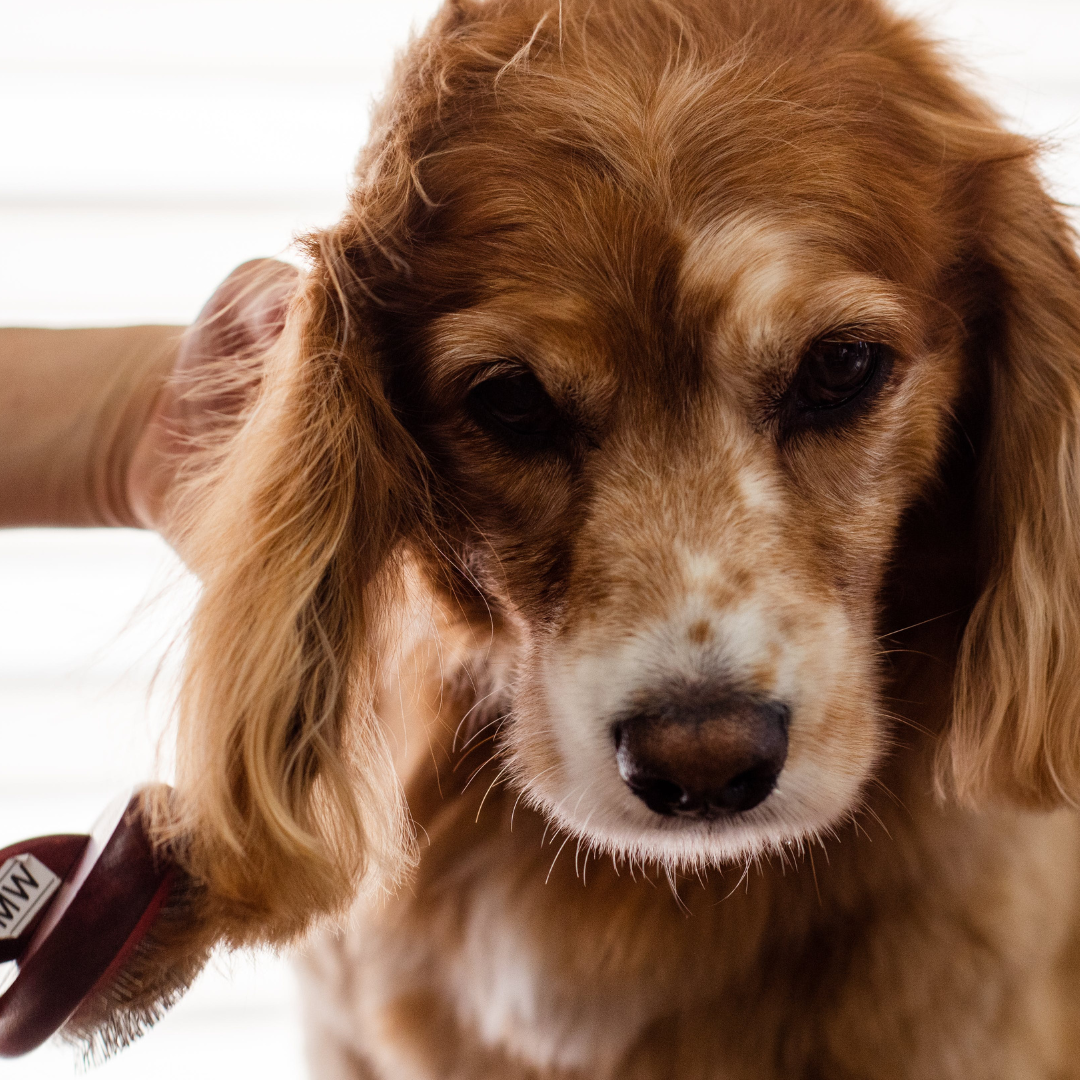


Maggie is a groodle and she is nervous. Not aggressive, not difficult - nervous. She tenses up when she doesn't know what's coming next.