What a good groom looks like when perfection isn't the goal
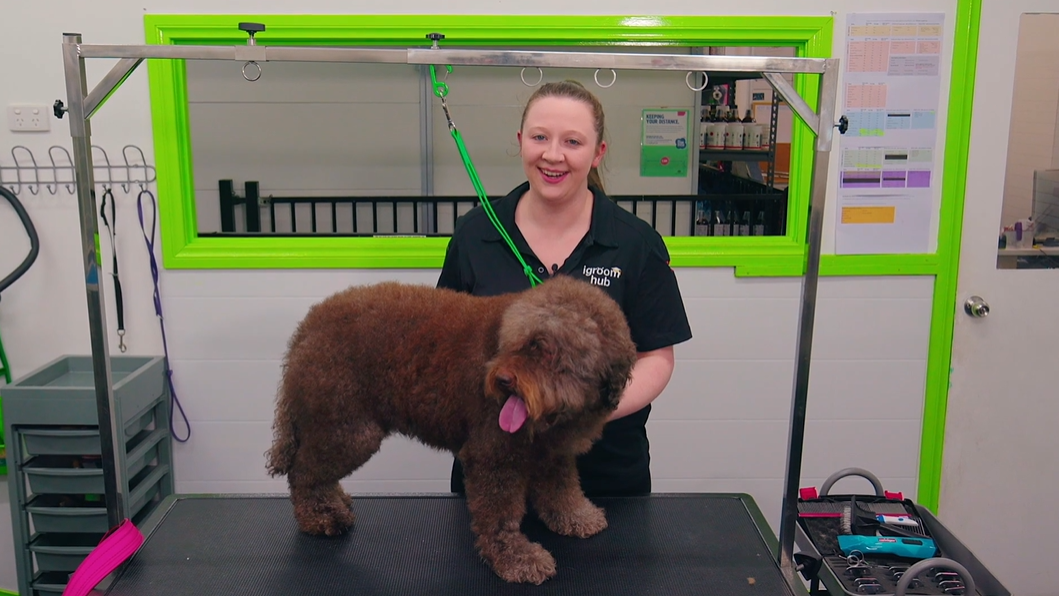
Humphrey is a lagotto and he is, in Colleen's words, exactly the kind of lagotto you dread seeing on the booking list. He is highly anxious, on significant medication, and reactive in ways that keep his groomer thinking about exit plans throughout the entire groom. He is also, by the end of this tutorial, tidier than his owners probably expected him to be.
That's the point of watching Colleen work through this groom. Not the technique - a three blade on the body, lilac extension on the head, tight feet, matched tail. The point is the decision-making. What to do first and why. What to leave. When to stop. How to read a medicated dog who can break through sedation if pushed too hard, and what happens to the groom if he does.
Head first, always
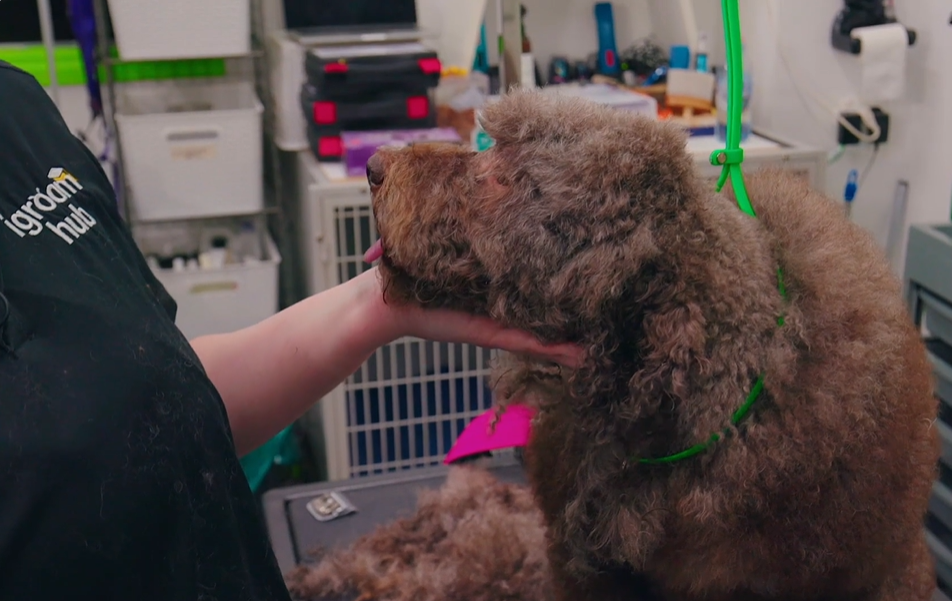
With a dog like Humphrey, Colleen does the head before anything else. If she has to put a muzzle on partway through and it's not safe to take it off, she wants the head already done. It's a small planning decision with a significant practical consequence - and it's the kind of thing you only think to do when you've learned it the hard way.
Humphrey tolerates clippers on the face better than scissors, so Colleen uses the clippers to do as much of the head work as possible. Less scissoring later. Less risk. She knows his triggers - pulling around the mouth, sudden grabs, anything that startles him - and she plans the entire groom around avoiding them.
Medication changes everything
Humphrey is on Fluoxetine daily and Trazodone morning and night. The Trazodone - a sedative many groomers will recognise as something vets prescribe for anxious dogs - is what makes this groom possible. But sedation has limits. If Humphrey gets worked up enough, he breaks through it, and then the groom is effectively over.
“A little bit of bouncing, not ideal, but we can work with that. A lot of bouncing, a lot of vocalizing, getting that heart rate up - it’s going to break through that sedation and you’re going to have a much more difficult dog on your hands.”
This shapes every decision Colleen makes. She prioritises. She moves efficiently. She doesn't push areas that aren't worth the cost. She leaves his nails until last - because he hates them most - and when she does them, the muzzle goes on first, no negotiation.
Feedback to the owner is part of the groom
One of the most useful things in this tutorial is how clearly Colleen articulates the groomer's role in a dog like Humphrey's care. She's not just grooming him - she's reporting back. Whether the medication level seemed right. Whether he coped better or worse than last time. Whether the owners should go back to the vet and ask for an adjustment.
That communication loop between groomer, owner and vet is what keeps a dog like Humphrey groomable at all. Without it, the groom gets harder each time instead of easier.
Good enough is sometimes exactly right
Colleen is clear from the start that she is not aiming for a perfect groom on Humphrey. She is aiming for a safe one - for him and for her - that leaves him in better condition than he arrived and that his owners can maintain at home until the next visit. That reframing of what success looks like on a difficult dog is probably the most transferable thing in this entire tutorial.
Colleen's full session with Humphrey is available to Members in the Challenging Situations section of the Groomerverse inside igroomhub.
This tutorial is part of Managing Challenging Grooms - a full course on igroomschool covering dogs that need specialist care, behaviour and body language, grooming for comfort, and the systems that make these grooms safer for everyone.