

The nervous dog who learned to love coming in
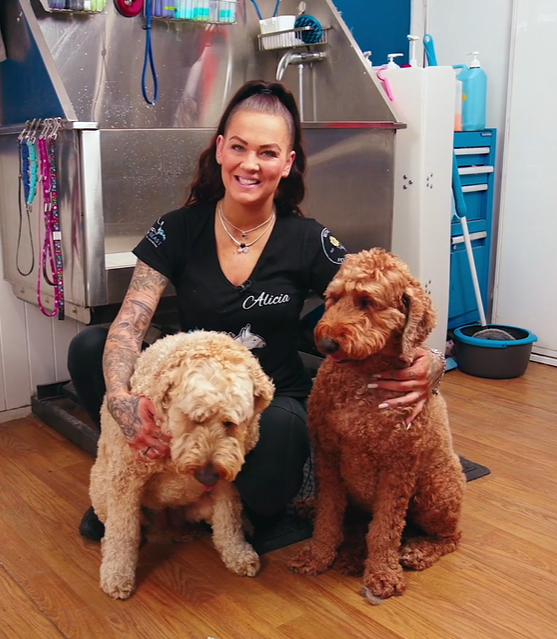
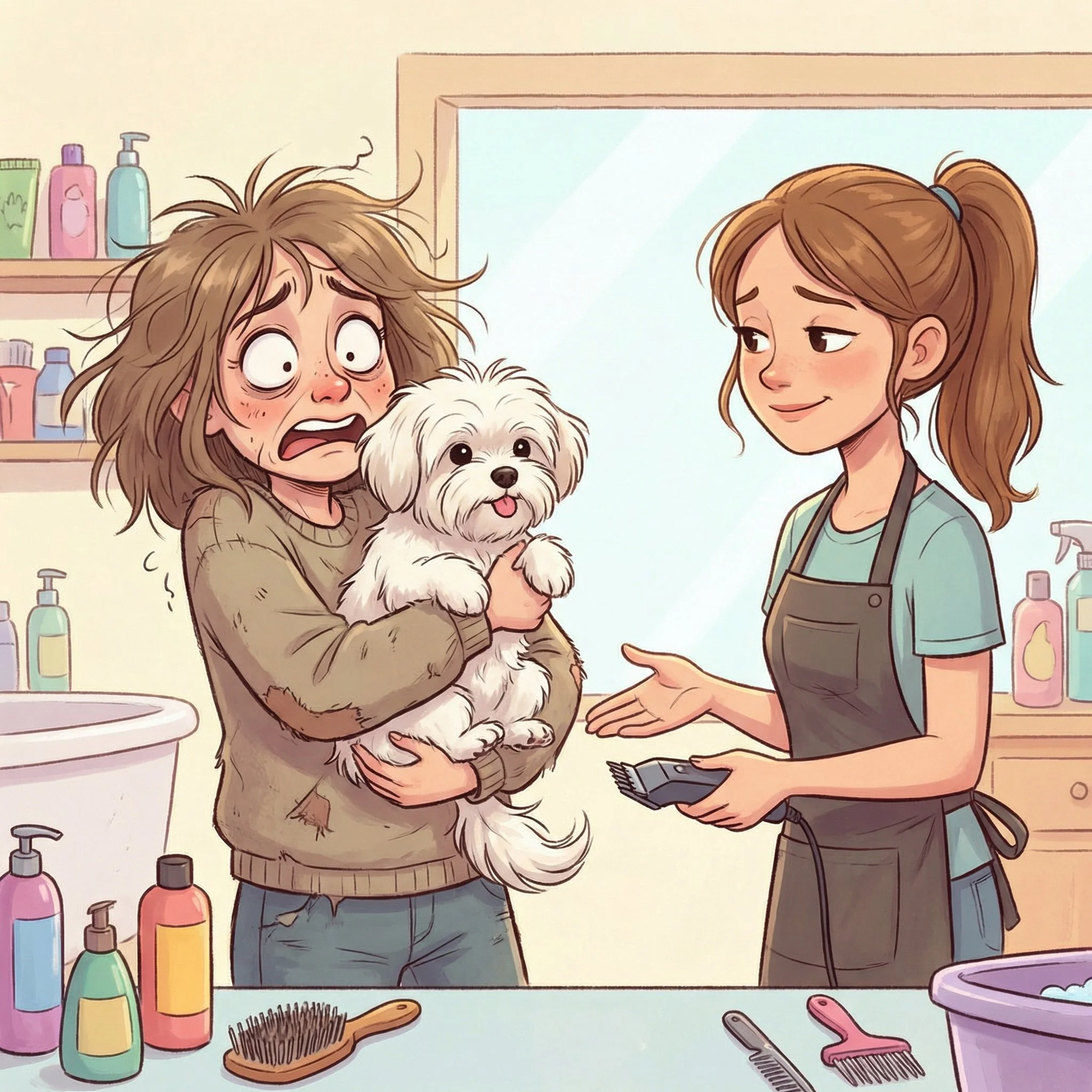
Maggie is a groodle and she is nervous. Not aggressive, not difficult - nervous. She tenses up when she doesn't know what's coming next. She clings to the table when she feels unsure. She has opinions about the bath.
Alicia Fragiadakis has been grooming Maggie alongside her sister Elsie for a while now, and the transformation in Maggie over that time is the most interesting thing in this tutorial. Not the haircut - a practical number four, easy maintenance, nothing complicated. The interesting thing is watching what happens when a groomer gives a nervous dog a little more information about what's happening, and a little more say in how it goes.
Asking instead of moving
The difference sounds small. In practice it's significant. When Alicia physically tries to reposition Maggie, Maggie tenses and resists. Alicia can feel it in her own body. When Alicia simply asks - come on Mags, up you get, turn around - Maggie thinks about it for a moment and then goes. Not always immediately. Sometimes it takes two or three asks. But she goes, on her own terms, and the whole interaction is easier for both of them.
“If she knows what I want her to do, she will do it happily. She’s already a nervous girl and I don’t want to add more nerves to that and make her upset. We want it to be an enjoyable experience for both dog and groomer.”
This plays out through the entire groom. Getting into the bath. Turning around on the table. Moving from one side to the other. Each time, Alicia gives Maggie the chance to respond before stepping in, and each time Maggie cooperates in a way she simply wouldn't if she felt she had no choice.
The wall is not a problem
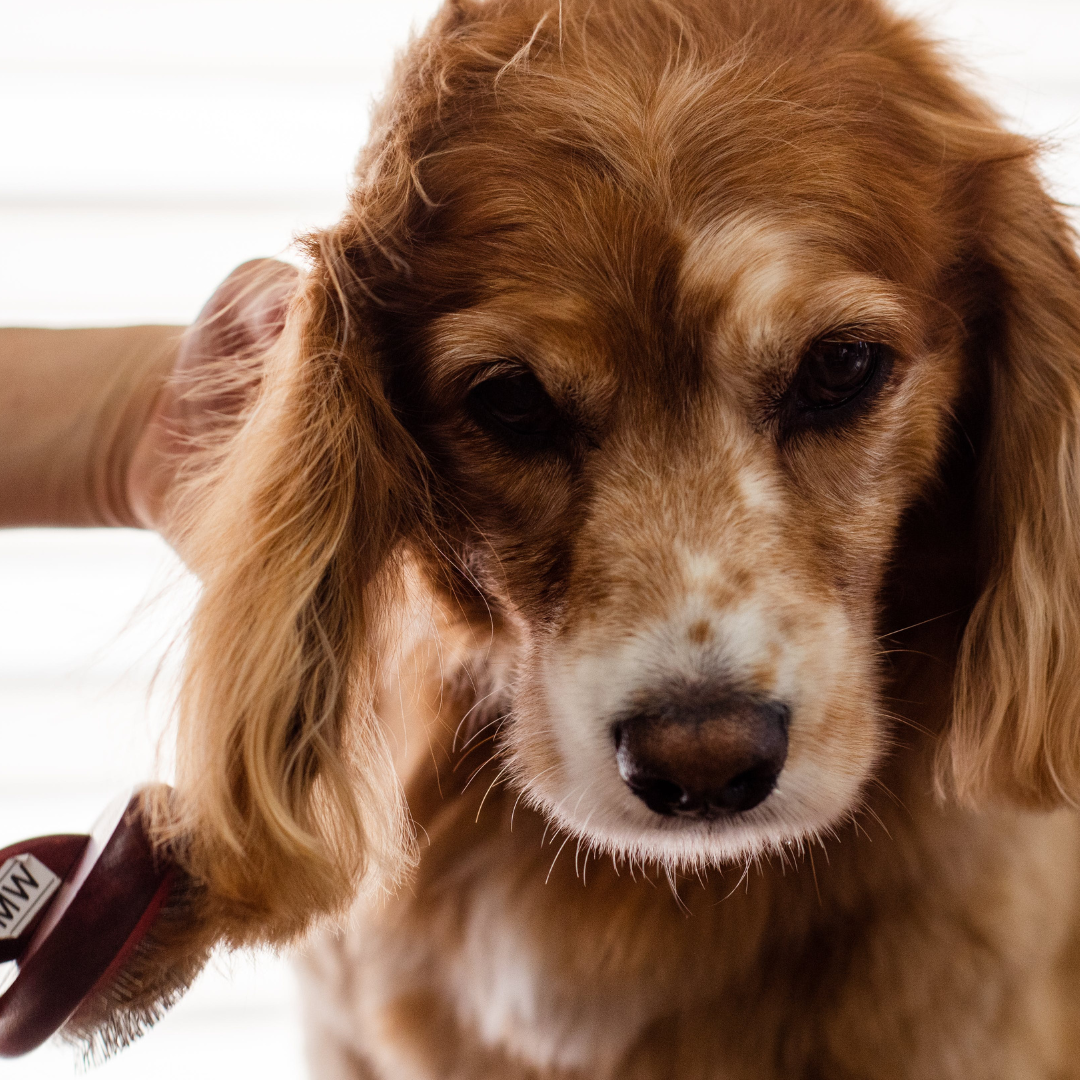
Maggie likes to lean against the wall. Without it she shakes, her feet clench, the whole groom gets harder. Alicia lets her use it. The table goes against the wall, Maggie leans on it throughout, and the groom gets done. A groomer less willing to work with the dog's anxiety might read the wall-leaning as a behaviour to correct. Alicia reads it as information - this dog feels safer with something solid behind her - and uses it.
What two hours of double grooming looks like
Maggie and Elsie get groomed together, which Alicia does partly because Maggie is more confident taking her sister's lead and partly because it's simply faster. Both dogs, start to finish, in two hours. The benefit of Elsie's calm presence on Maggie is real and observable throughout - and it's a practical reminder that the environment a nervous dog is groomed in matters as much as how they're handled.
Why this matters beyond Maggie
Most groomers have a Maggie or probably many Maggies in their client base. A dog that the owners apologise for in advance, that comes in tense and leaves exhausted. The adjustments Alicia makes aren't specialist behaviour modification - they're practical, low-effort changes any groomer can make. Give the dog more information. Let it feel like it has some say in what's happening. Work with the anxiety rather than around it.
The science behind why this works - how dogs learn, what triggers stress, how previous experiences shape responses in the groom - is something igroomhub is exploring in depth in an upcoming course on behaviour-informed grooming. If Maggie's story resonates, it's worth keeping an eye on.
This tutorial is available to Members in the Challenging Situations section of the Groomerverse. The upcoming course on behaviour-informed grooming is coming to igroomschool in 2026 - register your interest here.



Maggie is a groodle and she is nervous. Not aggressive, not difficult - nervous. She tenses up when she doesn't know what's coming next.